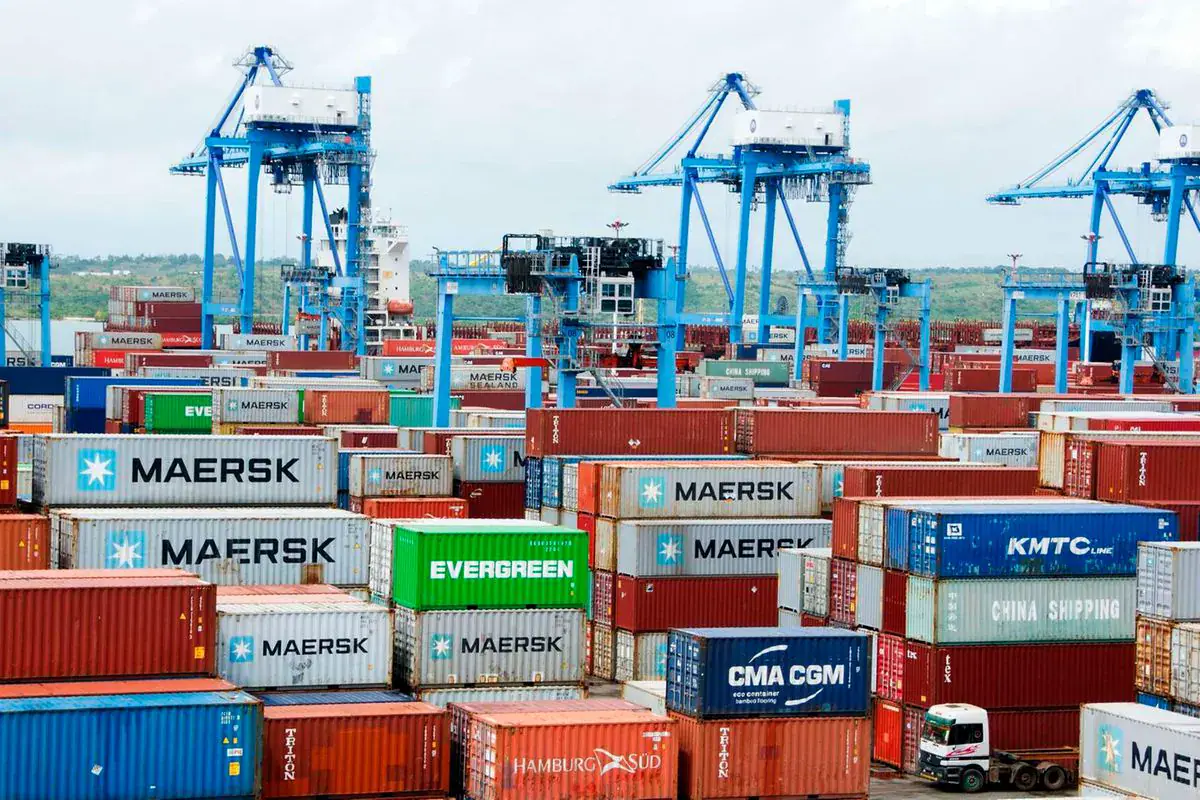
The Kenya Revenue Authority (KRA) will from November 1, 2026, block imports without local marine insurance cover. This move aims to retain billions of shillings in premiums within Kenya's economy. The government has collaborated with the Insurance Regulatory Authority (IRA) to enforce mandatory Digital Marine Cargo Insurance. Importers and clearing agents must ensure that all incoming consignments into Kenya are covered by a valid marine insurance policy issued exclusively by an IRA-licensed insurer.
The digital marine cargo insurance policy protects goods from loss, damage, and theft during transit by sea, land, and air from the port of origin. The government had initially planned to enforce mandatory digital marine cargo insurance from February 2025 but extended it to July 1, 2026, and later to November 1, 2026. Under the arrangement, importers must obtain a valid Import Declaration Form, which generates a Digital Marine Cargo Insurance Certificate for the specific consignment.
To obtain the insurance certificate, importers must pay the insurance premium through the designated digital payment system. The certificate and payment confirmation are then transmitted electronically to KRA for verification. Having an insurance policy alone will not be sufficient if the required digital certificate has not been processed and successfully linked to the customs system before a declaration is lodged.
The requirement aims to strengthen enforcement of laws governing marine insurance business in Kenya and address concerns over premiums paid to foreign insurers for cargo destined for the local market. Industry estimates claim Kenya loses more than Sh70 billion of marine insurance business to foreign underwriters annually. The government wants importers to shift this business to locally licensed insurers, allowing more premiums to remain in the country and supporting the growth of the domestic insurance industry.
The requirement is anchored in Section 16A of the Marine Insurance Act and Section 20(4) of the Insurance Act. To implement the changes, the National Treasury directed the IRA to work with KRA and Safaricom to develop a digital platform that integrates insurance transactions with customs clearance. The system is expected to improve transparency, strengthen regulatory oversight, and reduce the risk of fraudulent insurance documents being used during customs processing.
Several insurers, including APA General Insurance, Britam General Insurance, and Old Mutual General Insurance, will participate in the digital platform. However, clearing and forwarding agents have raised concerns over the additional costs and administrative responsibilities being placed on importers and businesses. John Mwashinga, a Mombasa-based clearing and forwarding agent, said the additional expense would ultimately be passed on to consumers.
The changes could affect manufacturers importing industrial raw materials and machinery, traders bringing in consumer goods, and motor vehicle dealers whose consignments depend on timely customs clearance. The government maintains that the reforms will create new opportunities for local insurers by increasing premium income and enabling them to participate more fully in risks associated with international trade. Local insurers could also benefit from improved access to information on imported cargo.
Key points
- Kenya will enforce mandatory digital marine cargo insurance from November 1, 2026.
- The government aims to retain billions of shillings in premiums within Kenya's economy.
- The digital system is expected to improve transparency and strengthen regulatory oversight.