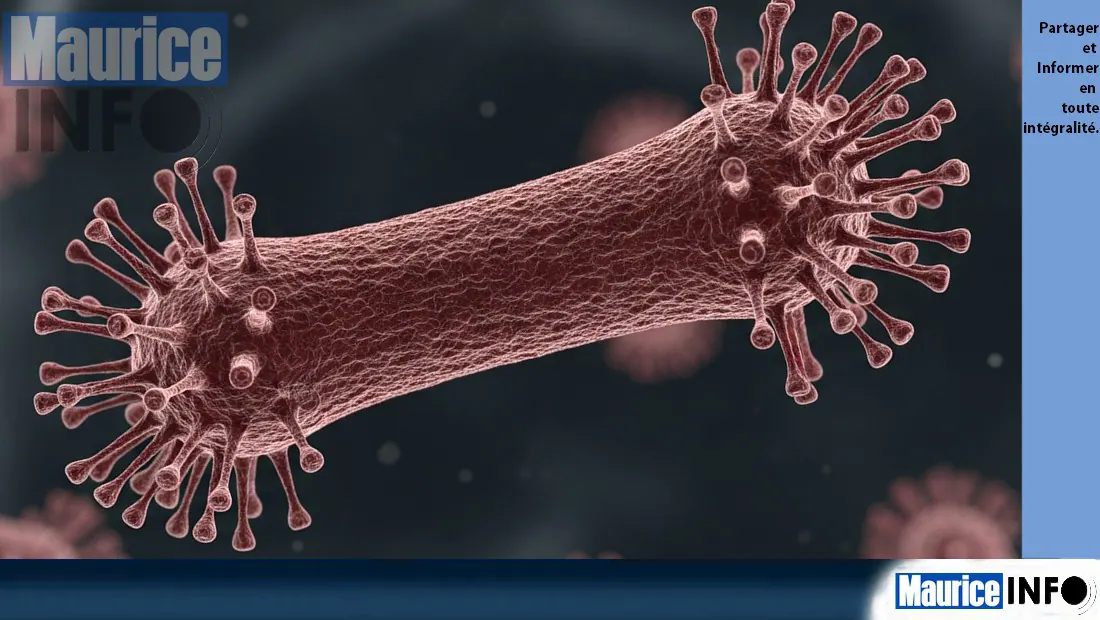
The Kenyan government has confirmed the country's first imported case of Bundibugyo virus disease (BVD), a viral hemorrhagic fever. The patient, a Kenyan citizen, had been living in the Democratic Republic of Congo, where they contracted the disease, and was treated at several health facilities. The patient then traveled to Uganda and later flew to Nairobi, where they were isolated and tested positive for the Bundibugyo virus.
The World Health Organization (WHO) is working closely with the Kenyan government to intensify control measures to prevent further spread of the virus. The government is strengthening its response coordination, case investigation, and contact tracing, while monitoring and listing contacts for enhanced disease surveillance. Screening at high-risk points of entry and clear risk communication are also being implemented to prevent infection.
The patient was transported to a hospital in Nairobi and was quickly isolated after arrival. Samples tested positive for Bundibugyo virus at both the National Virology Reference Laboratory and the Kenya Medical Research Institute. Despite supportive care, the patient died on the night of 5 October 2026 and was buried on 6 October 2026 in line with the country's Ebola safe and dignified burial protocol.
Kenya is the fourth country to confirm BVD, with the Democratic Republic of Congo responding to an ongoing outbreak and Uganda ending its latest outbreak in August 2026. Most cases in Uganda were imported from the Democratic Republic of Congo, while a few were locally acquired among contacts and health workers linked to imported cases. France also reported a travel-related case of BVD in June 2026.
Health authorities in Kenya have listed 28 contacts, including family members and health workers who cared for the patient. They are also tracing 23 passengers and four crew members from the same flight, with arrangements for quarantine and follow-up underway. Dr. Mohamed Janabi, WHO Regional Director for Africa, emphasized the importance of swift action to detect any further cases before the virus spreads.
Kenya has been on high alert since May 2026, when outbreaks were declared in the Democratic Republic of Congo and Uganda. The country has screened over 652,000 travelers, tested 267 suspected samples, and trained around 5,000 health workers on Ebola prevention and management. WHO and partners have supported Kenya's Ministry of Health and National Public Health Institute in these efforts.
WHO advises against any restriction of travel to, or trade with, the Democratic Republic of Congo, Uganda, or Kenya based on the currently available information. The organization continues to closely monitor the situation and calls for continued support to the response in affected countries. Global solidarity and government-led responses with engaged communities are crucial to ending the outbreak.
Key points
- The Kenyan government has confirmed its first imported case of Bundibugyo virus disease, a patient who recently traveled from the Democratic Republic of Congo.
- The World Health Organization is working closely with the Kenyan government to intensify control measures to prevent further spread of the virus.
- Kenya has been on high alert since May 2026, with over 652,000 travelers screened and 5,000 health workers trained on Ebola prevention and management.