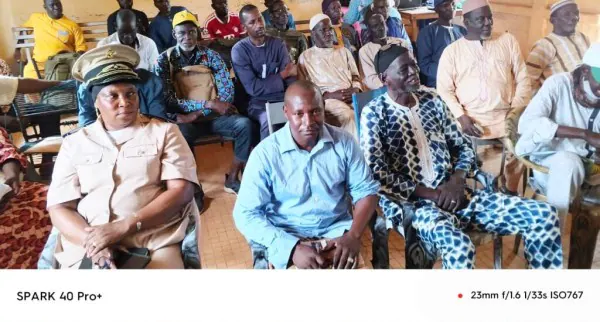
In a significant move towards enhancing the development of livestock, fisheries, and aquaculture in Mali, a diagnostic meeting was held in Kolondièba, bringing together various stakeholders. The meeting, presided over by Ibrahima Dougnon, the first deputy prefect, saw the participation of sub-prefects, mayors, technical service providers, and representatives from the local community and civil society. The primary objective was to identify the major constraints hindering the growth of these sectors.
The discussions focused on pinpointing the key challenges, existing opportunities, priority investments, and necessary reforms to propel the development of livestock, fisheries, and aquaculture. Participants also sought to identify issues that transcend local boundaries, requiring national-level interventions. This concerted effort aims to contribute to a comprehensive assessment of these sectors, highlighting achievements, weaknesses, and structural constraints to formulate context-specific recommendations.
The process is part of a broader initiative that includes local and regional consultations. This approach ensures that the unique characteristics of different territories, the adverse effects of climate change, and the impacts of crises on these sectors are adequately considered. The Ministry of Livestock and Fisheries seeks to achieve a sustainable consensus among stakeholders, fostering peace and social cohesion among farmers, breeders, and fishermen.
The official launch of the Études sur la Gestion des Pêches et de l’Aquaculture (EGEPA) took place in Bamako on July 7, 2026, with government members and technical and financial partners in attendance. The Kolondièba meeting is a crucial step in this process, reflecting a collaborative approach to addressing sectoral challenges. By engaging various stakeholders, the initiative underscores the importance of inclusive decision-making.
At the closure of the meeting, the first deputy prefect expressed gratitude to participants for their contributions, emphasizing the significance of the consultation in local development. The event highlighted the commitment of local authorities to improving the livelihoods of communities through sustainable management of natural resources.
The diagnostic exercise in Kolondièba is part of a series of efforts aimed at revitalizing Mali's livestock, fisheries, and aquaculture sectors. By addressing the identified constraints and leveraging opportunities, the country aims to enhance food security, promote sustainable practices, and improve the resilience of communities dependent on these sectors.
Key stakeholders will continue to engage in discussions to ensure that the recommendations from the meeting are effectively implemented. The success of this initiative will depend on the sustained collaboration between government agencies, local authorities, and community members.
Key points
- The meeting in Kolondièba focused on identifying constraints and opportunities in livestock, fisheries, and aquaculture development.
- The process aims to achieve a sustainable consensus among stakeholders, fostering peace and social cohesion.
- The initiative reflects a collaborative approach to addressing sectoral challenges in Mali.