Kenya's first Ebola patient was laid to rest at Lang'ata Cemetery in Nairobi on Tuesday, with the burial process adhering to strict health protocols to prevent the spread of the deadly virus. The vehicle carrying the body arrived at the cemetery at about 2:30 pm, where a small group of mourners, wearing masks, stood at a distance from the grave. A fire was burning beside a freshly dug mound of soil, as part of the burial protocol, to destroy materials that had come into contact with the body.
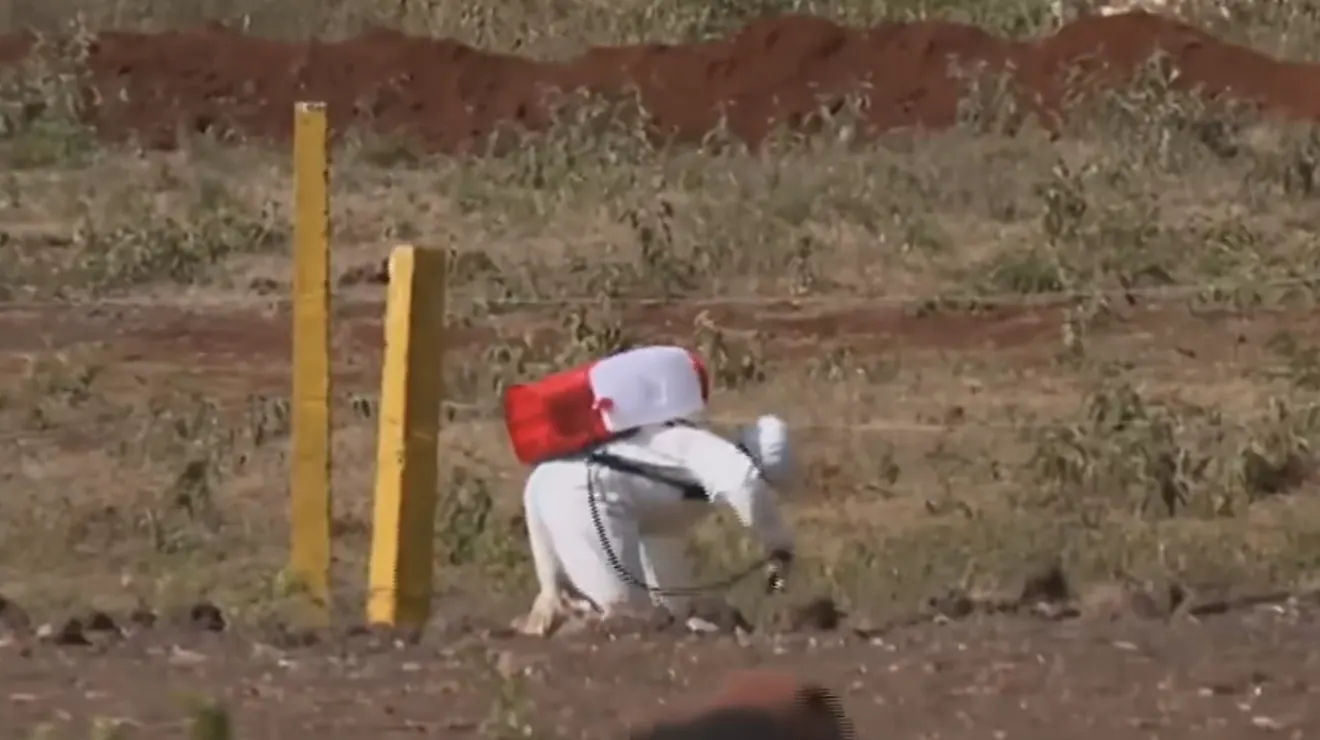
The burial process involved a carefully controlled procedure to prevent the spread of Ebola. A man dressed in a full hazmat suit approached a red Toyota Fielder, which had been used to transport the patient, and thoroughly disinfected it using a tank of fumigation liquid. This was part of the extraordinary precautions being taken following Kenya's first confirmed Ebola case. The scene provided a glimpse into the strict measures being implemented to protect mourners, burial workers, and the wider public.
According to an official from the Ministry of Health, who spoke on condition of anonymity, the precautions begin immediately after death, with the body of the deceased being buried within 24 hours. The body is first cleaned and disinfected by a trained Ministry of Health official, and family members are not allowed to handle the body or have a viewing. The body is then wrapped in several layers of protective material and transported directly to the burial site.
At the cemetery, a small number of family members were allowed to witness the burial, but they had to maintain a safe distance as the body was lowered into the grave. The grave is required to be at least six feet deep, and once filled, materials used during the burial, including protective clothing, are destroyed at the site. Security around the burial site was tight, with a group of men who attempted to document the proceedings being removed from the area.
Family members had been given strict instructions not to speak to the media, and an interview with Health Services Director-General Patrick Amoth provided further insight into the safe and dignified burial practice. Amoth explained that a Safe Dignified Burial (SDB) should be accorded to any patient who dies from Ebola, adhering to public health guidelines that help reduce further transmission.
The safe and dignified burial practice was established by the World Health Organization in 2014 during an Ebola outbreak, emphasising the need to include family members and encourage religious rites as an essential part of safe burials. According to Amoth, the body must be well handled and prepared for burial, with dignity and respect, while also ensuring that public health guidelines are followed.
The Ministry of Health and other stakeholders are working together to ensure that the burial process is conducted in a manner that prevents the spread of Ebola, while also respecting the dignity of the deceased and their family. The successful implementation of these protocols will be crucial in preventing further transmission of the virus in Kenya.
Key points
- The burial process for Kenya's first Ebola patient was conducted under strict health protocols to prevent the spread of the virus.
- The safe and dignified burial practice was established by the World Health Organization in 2014 during an Ebola outbreak.
- The Ministry of Health is working to ensure that the burial process is conducted in a manner that prevents the spread of Ebola while respecting the dignity of the deceased and their family.