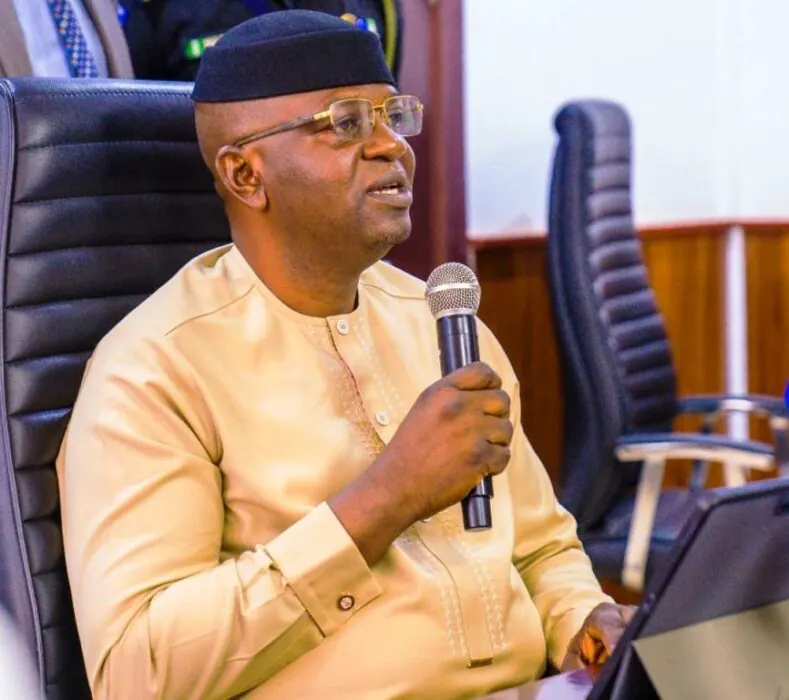
The Federal Government of Nigeria has called on citizens to refrain from dumping sewage, refuse, plastics, and other pollutants into rivers and waterways. This appeal was made by the Minister of Water Resources and Sanitation, Prof. Joseph Terlumun Utsev, during a media briefing in Abuja to commemorate the 2026 World Rivers Day. The minister emphasized that contaminated water resources pose serious risks to public health and livelihoods.
According to Minister Utsev, untreated sewage and wastewater entering rivers have severe consequences beyond environmental degradation. These pollutants can threaten public health, affect livelihoods, compromise water supplies, and place additional burdens on communities. The Federal Government is addressing water resources management and sanitation together to mitigate these issues. The minister stressed that keeping pollutants out of drains, streams, and rivers is crucial for protecting public health and securing the future of communities.
The Federal Government has made significant progress in addressing sanitation and hygiene targets under the Sustainable Development Goals. 179 Local Government Areas across the country have been validated as Open Defecation Free through the Clean Nigeria Campaign. Additionally, over 5,238 public sanitation facilities have been supported nationwide. These achievements reflect efforts to keep human waste out of drains, streams, and rivers.
Despite these gains, Minister Utsev urged Nigerians to sustain the progress by ending open defecation and adopting responsible wastewater and sanitation practices. He also called for an end to indiscriminate dumping of refuse, effluents, and plastics into waterways. Communities are encouraged to protect river catchments from pollution and degradation. The minister emphasized that protecting rivers requires the involvement of governments, communities, traditional institutions, the private sector, development partners, and civil society.
Nigeria's rivers are facing increasing pressure from population growth, urbanization, untreated wastewater, indiscriminate waste disposal, agricultural runoff, erosion, and sand mining. Climate change further compounds these challenges. To address these issues, the Federal Ministry of Water Resources and Sanitation is strengthening Integrated Water Resources Management across the country and improving water-quality monitoring.
The ministry is also supporting the protection and restoration of watersheds and river catchments. Reliable data on rainfall, river flows, groundwater, and water quality will be strengthened to support evidence-based management of the country's water resources. Minister Utsev urged young Nigerians to take the lead in tackling plastic pollution, open defecation, and poor wastewater management, as well as restoring degraded ecosystems and promoting water conservation.
The Permanent Secretary of the ministry earlier noted that pollution, deforestation, erosion, uncontrolled development, and climate change are increasingly threatening Nigeria's water resources. The World Rivers Day celebration, held at Wupa River along Kuje Road, Abuja, highlighted the importance of protecting the country's water resources. The minister's call to action emphasizes the need for collective responsibility in safeguarding Nigeria's rivers and waterways.
Key points
- The Federal Government has validated 179 Local Government Areas as Open Defecation Free through the Clean Nigeria Campaign.
- Over 5,238 public sanitation facilities have been supported nationwide.
- The minister urged young Nigerians to take the lead in tackling plastic pollution, open defecation, and poor wastewater management.