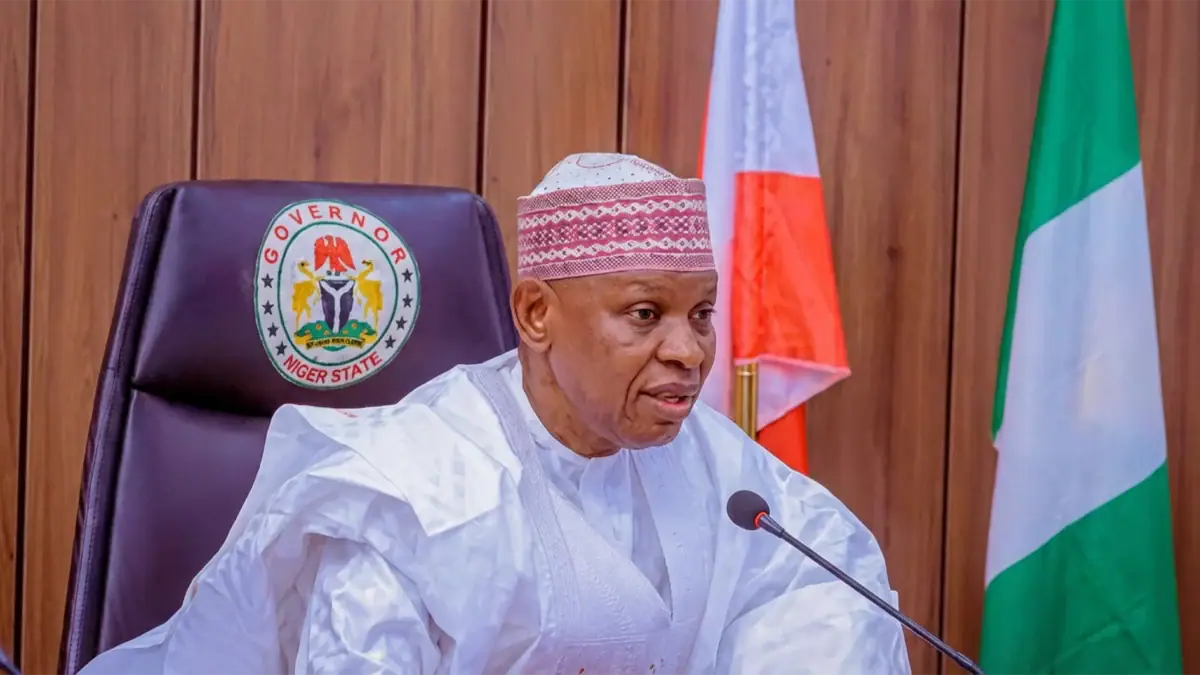
Governor Abba Kabir Yusuf of Kano State has presented a proposed budget of N1.107 trillion for 2027 to the Kano State House of Assembly. The budget, unveiled on November 11, prioritises capital expenditure, allocating 63 per cent to infrastructure development and 37 per cent to recurrent spending. This approach aims to sustain development and social investment without relying heavily on new borrowing. Yusuf's fiscal strategy differs from that of many state governors who are increasingly turning to borrowing to finance infrastructure projects.
Kano State's financial performance in 2024 was notable, with receipts of approximately N565 billion against expenditure of N454 billion, resulting in a positive fiscal balance. This achievement demonstrates the state's ability to manage its finances effectively. In contrast, the 2025 budget projected a deficit of N73 billion, which was to be financed through grants and borrowing. However, Commissioner for Budget and Planning stated in February 2026 that the government had not taken domestic or international loans to finance its projects since assuming office.
Governor Yusuf's approach to governance is centred on emphasising available resources, revenue mobilisation, and spending within the state's financial means. This strategy is in stark contrast to the borrowing strategies pursued by some other state governments. Kano State, with a large population, has significant infrastructure and development needs. Despite not being debt-free, the previous administration had accumulated tens of millions of dollars in external loans.
The proposed 2027 budget identifies N354 billion in grants and loans and N60 billion in opening balances as additional financing sources. This approach arguably makes Kano's budgets more closely connected to the state's actual fiscal circumstances. In a country where the appetite for borrowing has grown exponentially, Yusuf's strategy is noteworthy. The question now is how the governor plans to deliver on this agenda without seeking external loans.
President Bola Tinubu has urged Nigerians to focus on state finances and ask where the money is going, accusing some state governments of building "pointless flyovers" in the name of urban renewal. While many state governors are following the federal government's lead in borrowing to finance infrastructure projects, Governor Yusuf's approach presents an alternative. His emphasis on available resources and revenue mobilisation may serve as a model for other states.
The success of Governor Yusuf's approach will be measured by its impact on completed projects, sustainable public services, and stronger internally generated revenue without accumulating an unsustainable debt burden. Kano State's large population and significant infrastructure needs make its budget a closely watched indicator of the state's financial health. The governor's strategy may have implications for other states seeking to manage their finances effectively.
Governor Yusuf's budget proposal has sparked interest in the financial community, with many stakeholders eager to see how the state will implement its plans without relying heavily on borrowing. The state's financial performance in 2024 and 2025 provides a useful context for evaluating the effectiveness of Yusuf's approach. As Nigeria's states continue to navigate the challenges of financing infrastructure projects, Kano State's experience may offer valuable lessons.
Key points
- Governor Abba Kabir Yusuf's proposed N1.107 trillion budget for 2027 prioritises capital expenditure and emphasises available resources and revenue mobilisation.
- Kano State achieved a positive fiscal balance in 2024, with receipts of approximately N565 billion against expenditure of N454 billion.
- The governor's approach differs from that of many state governors who are increasingly turning to borrowing to finance infrastructure projects.
Reporting sources
- Abba Yusuf’s N1trn Budget · Leadership