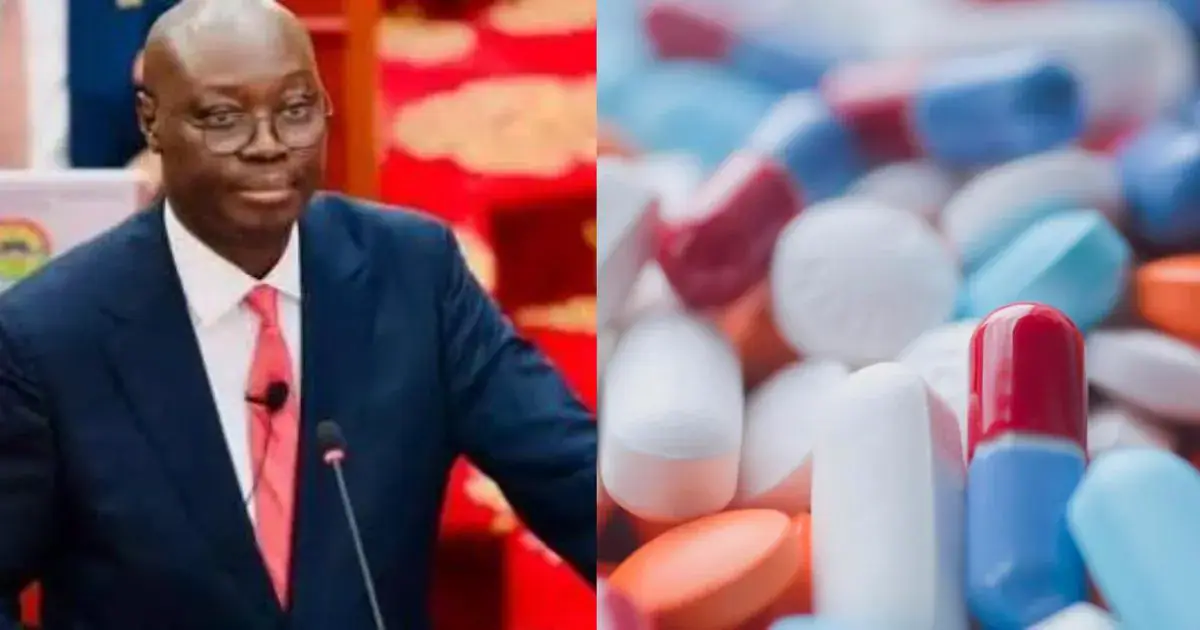
The Ghanaian government has unveiled a US$1 billion biomanufacturing initiative aimed at producing 60-80% of the country's essential medicine needs locally by 2030. This move is expected to reduce the nation's dependence on imported medicines, saving foreign exchange and creating jobs in the pharmaceutical industry. Currently, Ghana imports between 70% and 75% of its medicine needs, costing the country about US$500 million annually.
Finance Minister Dr Cassiel Ato Forson announced the initiative while presenting the 2027 Budget Statement and Economic Policy to Parliament on November 12. The plan involves establishing pharmaceutical and biomanufacturing hubs in the Eastern and Central Regions to support local production. The government intends to create approximately 20,000 direct and indirect jobs through this programme. The initiative also aims to conserve foreign exchange and build a pharmaceutical export platform for West Africa.
The government plans to begin construction of the facilities in 2027 through a state-owned special purpose vehicle (SPV), with qualified Ghanaian and international manufacturers expected to participate through leases and operating agreements. To support local production, the government also intends to amend public procurement laws to give locally manufactured medicines priority when public institutions use state funds to purchase drugs.
Ghana is drawing lessons from other countries that have implemented similar policies. India, for instance, gives preference to locally produced medicines that meet minimum local-content requirements, while Ethiopia provides domestic manufacturers with preferential access to state supply contracts. Nigeria directs government ministries and agencies to give preference to locally manufactured goods, while Tanzania offers local producers a price advantage in national medicine tenders.
The 2027 Budget's wider ambition is to make Ghana a pharmaceutical manufacturing and export centre for West Africa. By producing more medicines locally, Ghana aims to reduce its reliance on imports and save foreign exchange. The government believes that this initiative will not only improve access to essential medicines but also contribute to the country's economic growth.
The US$1 billion investment will be used to strengthen medicine security, create skilled industrial work, and build a pharmaceutical export platform. The government is optimistic that this programme will have a positive impact on the country's healthcare system and economy. The initiative is also expected to enhance the quality of medicines available to Ghanaians.
Ghana's move to boost local production of essential medicines follows in the footsteps of countries such as Nigeria, which has also implemented policies to support local production. The Ghanaian government's efforts to improve access to affordable medicines and create jobs in the pharmaceutical industry are expected to have a positive impact on the country's healthcare system and economy.
Key points
- The Ghanaian government aims to produce 60-80% of its essential medicine needs locally by 2030.
- The initiative is expected to create approximately 20,000 direct and indirect jobs.
- The programme aims to reduce Ghana's dependence on imported medicines, saving foreign exchange and creating jobs in the pharmaceutical industry.