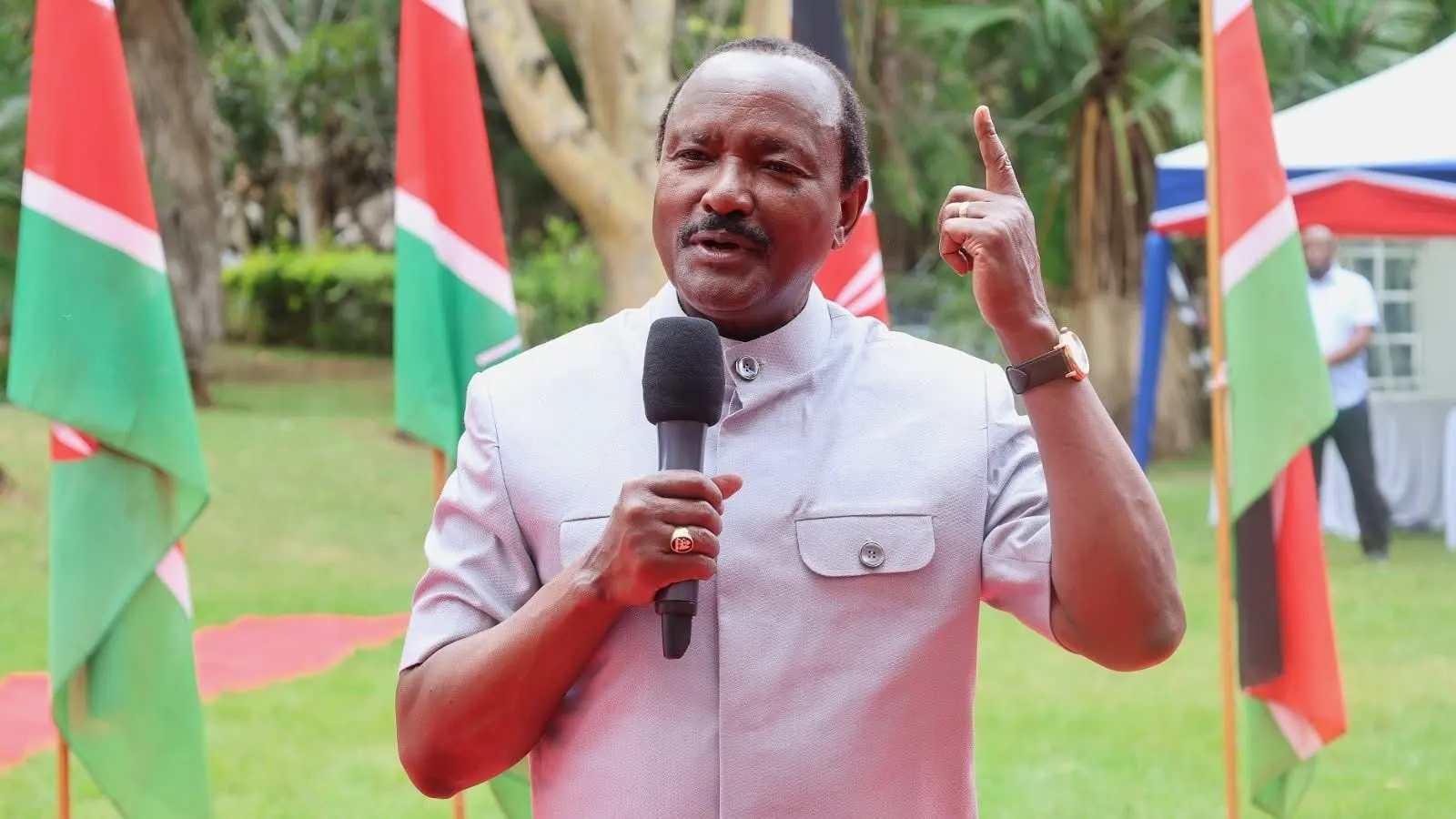
Kalonzo Musyoka's efforts to unite the opposition under the Ukombozi Alliance have encountered an early obstacle. The Democracy for the Citizens Party (DCP), led by Rigathi Gachagua, has declined to join the alliance. Kalonzo unveiled the Ukombozi Alliance on September 21, 2026, as a successor to the Azimio la Umoja-One Kenya coalition. The new alliance aims to rescue Kenyans from economic hardship and field a single candidate against President William Ruto in 2027.
The DCP's decision to reject the Ukombozi Alliance was announced by its Advisory Council Chairperson, Maina Kamanda, on September 28. Kamanda stated that the party needs to strengthen its grassroots structures across all 47 counties before entering any coalition. He argued that Gachagua has already united most Mt Kenya voters under DCP and reached out to the Maa and Kipsigis communities, giving the party the capacity to attract over eight million votes on its own.
DCP Deputy Leader Cleophas Malala had previously stated on September 22 that the party would not join the Ukombozi Alliance. Malala revealed a plan to form a separate coalition with Nairobi Senator Edwin Sifuna's Linda Mwananchi movement before negotiating with Ukombozi as an independent bloc. This development exposes deep cracks in the opposition unity talks just months before the 2027 polls.
The Ukombozi Alliance was launched at the SKM Command Centre in Karen, with Kalonzo stating that it would be open to other parties, including DCP and Eugene Wamalwa's DAP-K. The alliance aims to provide a united front against President Ruto in 2027. However, with DCP's rejection, the alliance's prospects remain uncertain.
Maina Kamanda added that DCP only recognizes four influential opposition leaders: Gachagua, Sifuna, Wamalwa, and Kalonzo himself. This assertion suggests that DCP is selective about its partnerships and will not easily join any coalition. The party's stance may influence other opposition parties' decisions regarding the Ukombozi Alliance.
The rejection of the Ukombozi Alliance by DCP is a significant blow to Kalonzo's opposition unity plan. With the 2027 polls approaching, the opposition needs to present a united front to challenge President Ruto's administration. However, DCP's decision to prioritize its own grassroots structures and potential alliances may alter the opposition landscape.
The development highlights the complexities of opposition politics in Kenya. As parties position themselves for the 2027 polls, alliances and coalitions are being formed and rejected. The outcome of these developments will shape the country's political landscape in the coming months.
Key points
- DCP's rejection of the Ukombozi Alliance deals a blow to Kalonzo's opposition unity plan.
- The party prioritizes strengthening its grassroots structures before entering any coalition.
- The development exposes deep cracks in the opposition unity talks just months before the 2027 polls.