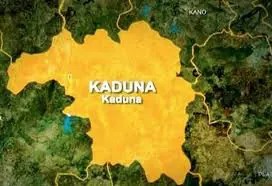
The Kaduna State government has taken proactive steps to mitigate the impact of floods in the state. The Kaduna State Emergency Management Agency (KADSEMA) has identified communities vulnerable to flooding, including Rafin Guza, Bashama, Unguwan Rimi, Barnawa, Kabala Costain, and Romi, due to their proximity to rivers and tributaries. Other areas such as Tudun Wada, Barnawa, Rigasa, and Sabon Tasha have also been mapped due to their low-lying terrain and drainage problems.
KADSEMA has also set up temporary shelters in strategic locations, including the Namadi Sambo Skills Acquisition Centre in Tudun Wada and Romi Primary and Secondary School. Emergency tents have been provided for deployment when necessary, and relief materials have been positioned at zonal and local government levels. This move is aimed at reducing the risk of loss of life and property when floods occur.
The government has also strengthened its early-warning system, drawing on forecasts from the Nigerian Meteorological Agency and the Nigeria Hydrological Services Agency. According to KADSEMA's Public Relations Officer, Philips Dominic, the agency has pre-positioned relief and non-food materials across the state. This will enable the government to respond quickly and effectively in the event of a flood.
The proactive measures taken by the Kaduna State government have already yielded results. KADSEMA cited the evacuation of residents of Askolaye following warnings of flooding. Although residents initially resisted leaving, community engagement eventually resulted in their evacuation. This demonstrates the importance of disaster preparedness and community engagement in reducing the risk of floods.
A structured relief plan has been put in place, with all resources strategically positioned at zonal and local government levels under the custody of the Local Emergency Management Committees (LEMCs) across the 23 local government areas. Deployment of these resources will be triggered immediately upon activation of the designated safe havens. The activation and deployment protocol can be executed within minutes as the situation warrants.
While temporary shelters are a necessary measure, the government acknowledges that they are not a substitute for flood prevention. Governor Sani's administration has directed relevant ministries and agencies to address the root causes of flooding, including the dredging of rivers, drainage channels, and erosion corridors. This move is expected to reduce the vulnerability of communities to floods in the long term.
The Kaduna State government's proactive measures against floods have been commended as a step in the right direction. The state's approach to disaster management, which prioritizes preparedness and community engagement, is expected to reduce the impact of floods on communities. With the rainy season underway, the state remains on high alert, ready to respond to any flood-related emergencies.
Key points
- The Kaduna State government has mapped out communities vulnerable to flooding and set up temporary shelters as part of proactive measures to mitigate the impact of floods.
- A structured relief plan has been put in place, with resources strategically positioned at zonal and local government levels.
- The government has also strengthened its early-warning system, drawing on forecasts from the Nigerian Meteorological Agency and the Nigeria Hydrological Services Agency.