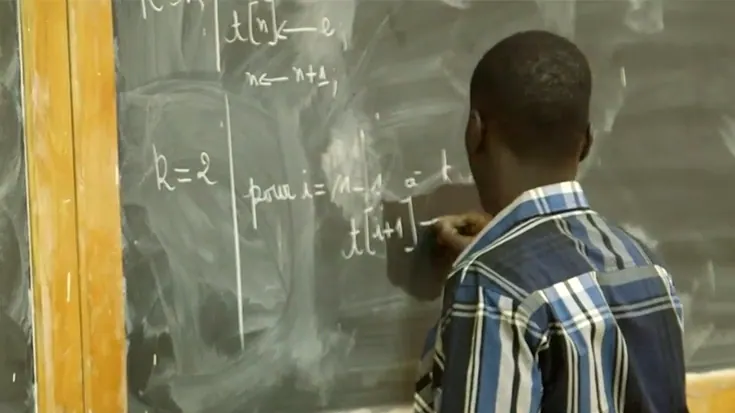
The Kédougou region is facing a pressing challenge in the education sector as the new school year approaches. According to Abdel Nasser DIALLO, Inspector of the Academy, the region is short of over 400 teachers, a deficit that affects various levels of education, including preschool, elementary, middle, and high school. This shortage is attributed to a national movement of teacher transfers observed since 2024.
The issue was highlighted during a regional development committee (CRD) meeting held in preparation for the upcoming school year, which is set to begin next week. The meeting, presided over by Mouhamadou Moustapha Gaye, Deputy Governor of Kédougou, brought together academic and school authorities, technical services, and social partners. DIALLO emphasized that at least 418 teachers are needed to address the current deficit.
The teacher shortage in Kédougou is compounded by infrastructure challenges. DIALLO noted that the region lacks 11,662 desks and benches across its school districts, a need that is keenly felt in all three education and training inspections in Kédougou. Although the region received some desks and benches last year, the effort is deemed insufficient to meet the demand.
Temporary classrooms, or abris provisoires, continue to be a significant issue in Kédougou, with 91 still in use. This situation hampers efforts to provide equitable and quality education to thousands of students. DIALLO expressed hope for the deployment of the Emergency Program for the Resorption of Priority Temporary Classrooms (PURAP) to address this challenge.
Despite these challenges, the Kédougou academy has seen a notable improvement in results. However, disparities in territorial development, the condition of school infrastructure, the effects of the rainy season, and personnel needs continue to weigh heavily on the local education system. Addressing these issues is crucial for enhancing education quality in the region.
The situation in Kédougou underscores the broader challenges facing Senegal's education sector, particularly in rural and underserved areas. Efforts to train and deploy new teachers, alongside investments in infrastructure, are critical to ensuring that all students have access to quality education. The region awaits the deployment of new teachers from regional training centers to help bridge the current gap.
The Kédougou region's education sector faces a critical juncture as it prepares for the new school year. With significant shortages in teachers and infrastructure, stakeholders are calling for urgent interventions to prevent a negative impact on students' learning experiences. The successful implementation of initiatives like PURAP and the deployment of new teachers are seen as key steps towards addressing these pressing challenges.
Key points
- The Kédougou region needs at least 418 teachers to address the current deficit.
- The region lacks 11,662 desks and benches across its school districts.
- 91 temporary classrooms are still in use, affecting education quality and equity.