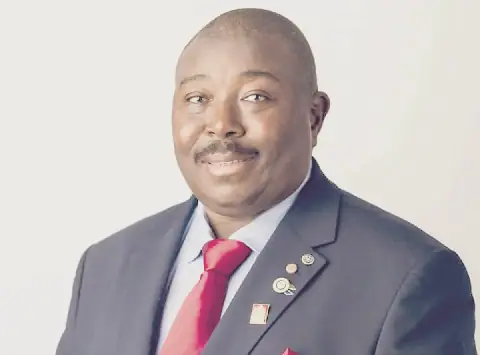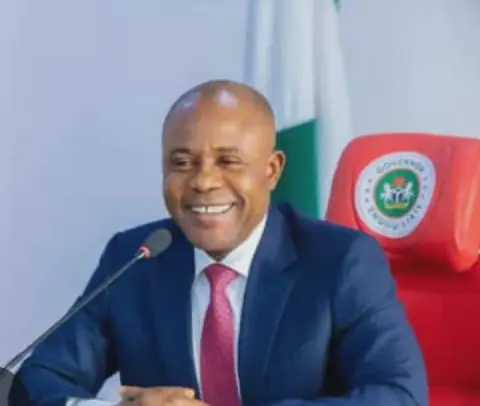
An Abuja-based public affairs analyst, Comrade Sonnie Nwosu, has praised Justice Mainasara Ibrahim Kogo Umar, Chairman of the Code of Conduct Tribunal (CCT), for his efforts in revitalizing the tribunal. Nwosu noted that Justice Umar's achievements are visible, measurable, and well-documented. Since assuming office, Justice Umar has taken steps to address the challenges he inherited, including a dilapidated structure at the CCT headquarters and a vandalized official house.
The official house of Justice Umar was sold and vandalized, with no doors, windows, or electrical appliances left. However, the FCT Minister intervened, recovered the house, arrested the criminals, and revoked the illegal sale. A fresh Certificate of Occupancy (C of O) was issued in the name of the Code of Conduct Tribunal on August 18, 2026, allowing the CCT to renovate the house. Justice Umar currently resides in a borrowed house until the renovation is completed.
Justice Umar has also taken action to recover a North East Zonal Office in Bauchi, which was fraudulently sold. The massive building, located opposite the state's House of Assembly, was recovered using the DSS. Despite these distractions, Justice Umar remains focused on implementing new ideas to improve the CCT's operations, including rapid delivery of judgments and the establishment of new departments.
Upon assuming office, Justice Umar discovered that a significant number of retirees' entitlements were unsettled. He offset the benefits of about 70% of them to boost staff morale. Additionally, he created 13 new allowances and addressed the stagnation of promotions, promoting those overdue for salary elevation. His policy thrust emphasizes the importance of moral rectitude in public service.
Justice Umar's vision is to create a situation where individuals view public service as an ethical phenomenon, recognizing that their actions are accountable to a higher authority. He believes that people should change their behavior not just out of fear of the law but also due to a clear conscience. His approach encourages individuals to treat others with respect and uphold trust in their positions.
The Code of Conduct Tribunal is often mistaken for other anti-graft agencies, such as the EFCC, ICPC, and CCB. However, Justice Umar clarified that these institutions have distinct roles. The EFCC deals with economic crimes, the ICPC focuses on preventive measures in governmental bureaucracy, and the Code of Conduct Bureau receives and investigates cases, while the CCT prosecutes them.
The Code of Conduct Tribunal has the authority to prosecute anyone found wanting, including high-ranking officials such as the President, Vice President, and Supreme Court Justices. However, Justice Umar noted that he, as the chairman of the CCT, would be the one to prosecute himself if necessary. The CCT's role is to enforce moral standards in the workplace, and it has the power to order individuals to vacate their positions with a single sentence.
Key points
- Comrade Sonnie Nwosu commends Justice Mainasara Ibrahim Kogo Umar for his innovative steps in restoring the glory of the Code of Conduct Tribunal.
- Justice Umar has taken steps to address the challenges he inherited, including a dilapidated structure at the CCT headquarters and a vandalized official house.
- The Code of Conduct Tribunal has the authority to prosecute anyone found wanting, including high-ranking officials.