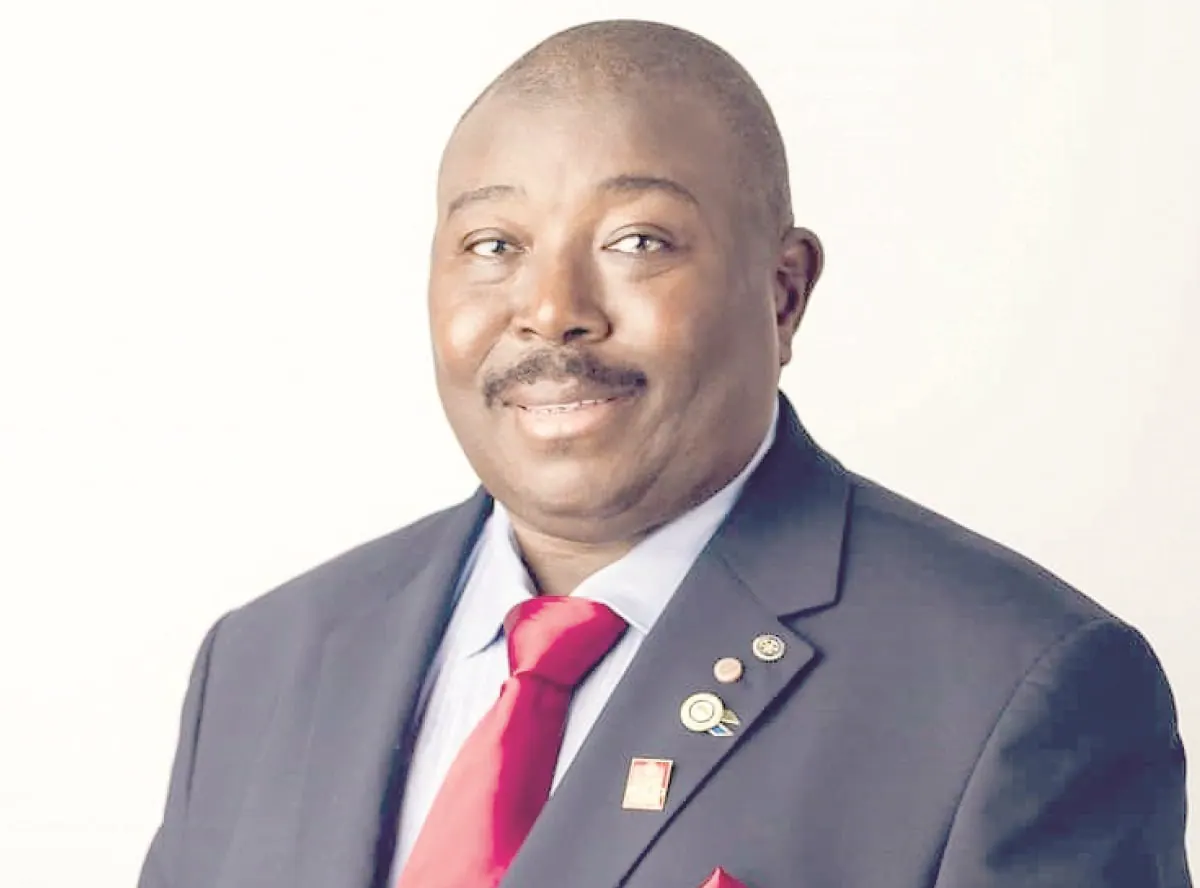
Senator Sharafadeen Abiodun Alli, the All Progressives Congress (APC) governorship candidate in Oyo State, has outlined a comprehensive reform agenda for the state. Speaking at a high-powered dialogue on the future of Oyo State organised by the Oyo Rising Citizens Forum (ORCF) in Ibadan, Alli made several key promises. He vowed to grant full autonomy to local governments, allowing them to manage their own affairs without interference from the state government. This move is expected to take effect from May 29, 2027.
Under Alli's proposed reforms, local governments in Oyo State will become fully independent, with the power to build their own schools, health centers, and employ their own workers. The Senator emphasized that his administration will not spend a single kobo belonging to local governments, marking a significant shift from the current system. This move is expected to bring about greater efficiency and effectiveness in the delivery of basic services to citizens. Alli's promise has been met with enthusiasm from stakeholders, who see it as a step towards decentralizing power and promoting grassroots development.
Alli's education reform agenda includes a plan to reduce classroom population to a maximum of 30 pupils per class. He believes this will not only improve learning outcomes but also create thousands of jobs for teachers and fresh graduates. The Senator also pledged to comply with UNESCO's recommendation of allocating at least 18 percent of the state budget to education. Additionally, he promised to train and retrain teachers, and employ more hands to bridge the deficit in the education sector. These moves are expected to have a positive impact on the quality of education in Oyo State.
The Senator's healthcare reform agenda includes a plan to establish a functional general hospital in each of the 33 local governments and at least one fully equipped primary healthcare center in each of the 351 wards in the state. Alli also announced that he would personally facilitate and commission at least three fully equipped health centers across Oyo South Senatorial District and hand them over to the state government before the election. This move is expected to improve access to healthcare services for citizens, particularly in rural areas.
On the controversial circular road project, Alli promised to take decisive action within 72 hours of assuming office. He vowed to set up a committee to address the grievances of all affected residents, assuring that his administration would not seize people's land or sell state assets. This move is expected to bring relief to residents who have been affected by the project. Alli's approach to the project has been seen as a departure from the current government's handling of the issue.
Alli's economic reform agenda includes a plan to leverage agriculture and mining to revive the economy. He promised to establish at least one cottage industry in each local government area and set up parabolic dryers in all seven towns in Ibarapa and two in each senatorial district before December. The Senator also pledged to revive the Broadcasting Corporation of Oyo State (BCOS) and engage youths through vocational and political opportunities. Additionally, he promised to empower women with key appointments and ensure prompt payment of salaries, pensions, and gratuities.
At an interactive session with participants, Alli responded to questions on energy supply, alleged sale of state properties, welfare for doctors, and revolving loans for traders. He provided detailed policy proposals to address these issues, demonstrating his commitment to good governance and accountability. The Senator's willingness to engage with stakeholders and provide clear answers to their questions has been seen as a positive step towards building trust and confidence with the electorate.
Key points
- Senator Sharafadeen Alli promises to grant full autonomy to local governments in Oyo State.
- Alli plans to reduce classroom population to a maximum of 30 pupils per class.
- The Senator promises to establish a functional general hospital in each of the 33 local governments.