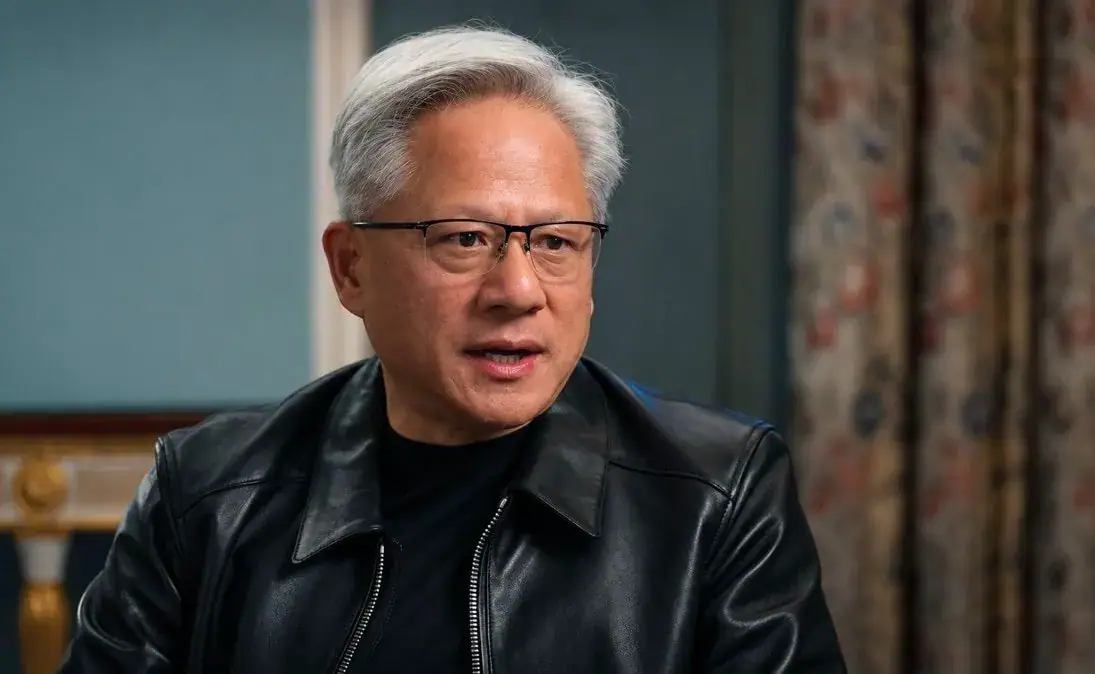
Jensen Huang, the long-time CEO of NVIDIA, has resigned from his position as CEO and Chairman of the company, effective immediately. The decision was announced on Thursday, November 12, 2026, after an independent investigation by NVIDIA's Board of Directors into Huang's personal relationships. Huang had been at the helm of the company for 33 years, transforming it into one of the world's leading technology firms.
The controversy surrounding Huang's resignation centers on his personal relationships with two women, one of whom is believed to have ties to Chinese intelligence. Alice Huang, also known as Huang Le, is a Singapore-based investor who was previously the head of Megaspeed, a company that purchased NVIDIA's artificial intelligence (AI) computing equipment. US intelligence agencies suspect that Alice Huang may have been working for China's National Intelligence Bureau, which aims to gather information on NVIDIA's technology.
While there is no concrete evidence to support the allegations against Alice Huang, the US government has expressed concerns about the potential risks of Chinese espionage in the tech industry. The Chinese government has denied the allegations, calling them "fabrications" aimed at justifying continued restrictions on Chinese access to advanced technology. Huang has apologized for his actions, citing a personal mistake and asking for forgiveness from his family and NVIDIA employees.
In addition to his relationship with Alice Huang, Jensen Huang was also found to have had an affair with a female NVIDIA employee, raising concerns about corporate governance and leadership. Colette Kress, NVIDIA's Chief Financial Officer, will serve as interim CEO while the company searches for a permanent replacement. The company's board of directors has also appointed Harvey C. Jones as its new lead independent director.
Huang's resignation has had a significant impact on NVIDIA's stock price, with shares plummeting over 10% in pre-market trading on Thursday. The controversy has also raised questions about the company's future prospects, particularly in the context of the ongoing tech rivalry between the US and China. NVIDIA has been at the center of this rivalry, with the company seeking to balance its business interests in China with growing US government restrictions on technology exports.
The US government has been increasingly scrutinizing tech exports to China, with the Commerce Department implementing new rules to restrict the sale of advanced AI computing equipment to Chinese customers. Jensen Huang had previously lobbied the US government to ease these restrictions, arguing that they would harm NVIDIA's competitiveness in the global market. The company's situation has sparked debate about the intersection of technology, geopolitics, and corporate leadership.
The controversy surrounding Jensen Huang's resignation comes as US President Donald Trump and Chinese President Xi Jinping prepare to meet at the Asia-Pacific Economic Cooperation (APEC) summit in Shenzhen, China, on November 18-19, 2026. The meeting is expected to focus on issues including trade, technology, and security, with NVIDIA's situation likely to be seen as a test case for US-China cooperation in the tech sector.
Key points
- Jensen Huang resigns as NVIDIA CEO amid controversy over personal relationships with women linked to Chinese intelligence.
- US government restrictions on tech exports to China have impacted NVIDIA's business, sparking debate about the intersection of technology, geopolitics, and corporate leadership.