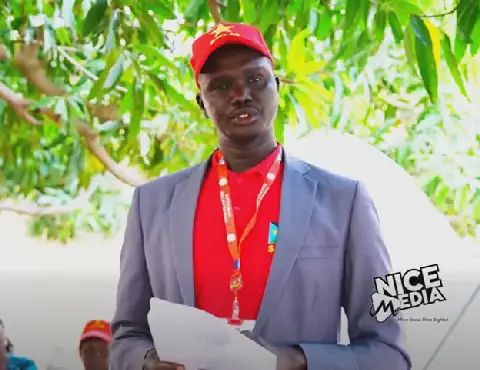
Sudanese refugees in eastern Chad are urging the International Criminal Court to expedite its proceedings, citing its failure to arrest those accused of crimes in Sudan as a factor that encourages further violations. A delegation from the ICC recently visited the Gaga camp for Sudanese refugees in eastern Chad, where they met with refugees who expressed frustration with the court's slow pace. The refugees noted that the court had only tried one defendant who had surrendered himself, and had yet to arrest any of those accused.
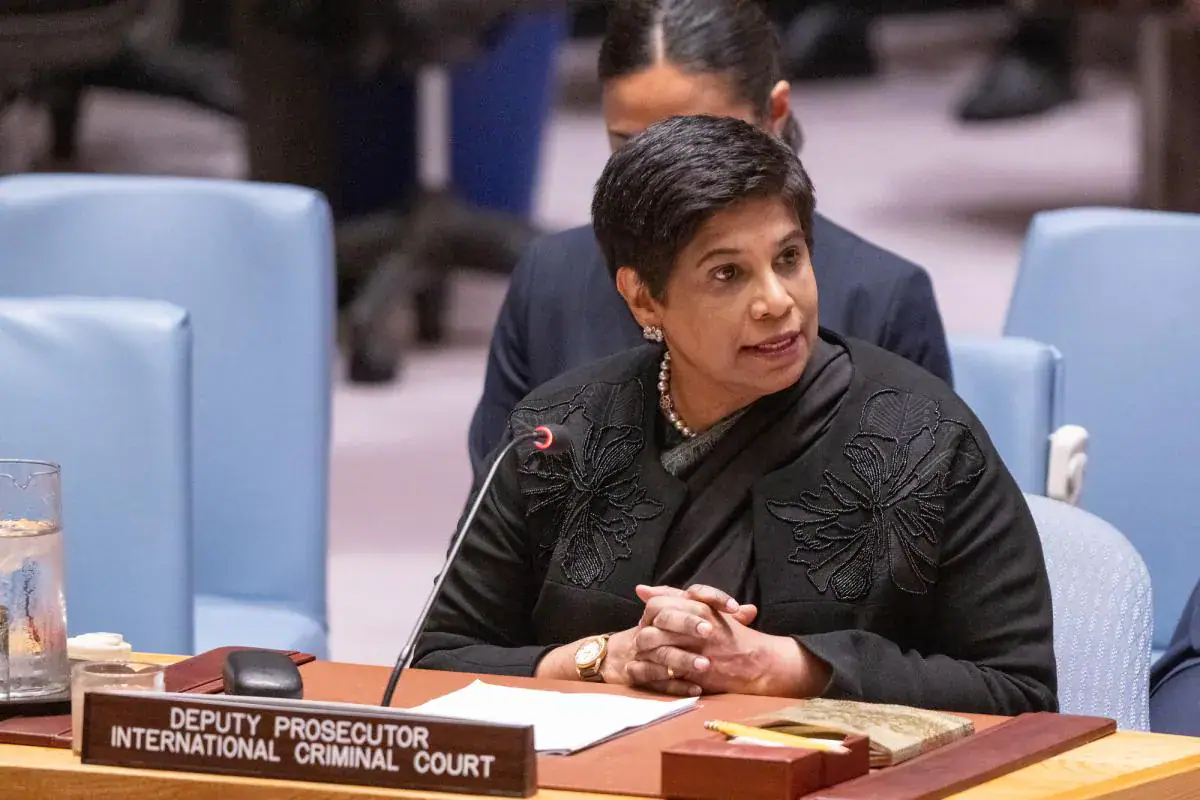
The ICC delegation informed the refugees that the court is doing everything in its power to bring those responsible to trial, but relies on states to carry out arrests as it has no army or police force of its own. This reliance on state cooperation can hinder the court's ability to execute its mandate. The refugees' concerns echo those of ICC Deputy Prosecutor Nuzhat Shameem Khan, who in July announced progress in investigations into crimes committed in El Geneina, El Fasher, and surrounding areas.
Khan cited a lack of cooperation between the Rapid Support Forces and the Office of the Prosecutor as a significant challenge, and called for international action to prevent a recurrence of the crimes committed in these areas. She also urged the Sudanese government to hand over three wanted suspects. The ICC's investigations have yielded important testimony from key witnesses, which has helped to confirm and deepen the Office's understanding of the nature and patterns of the crimes committed.
The testimony has also provided a crucial basis for strengthening the Office's ability to link the crimes to senior-level perpetrators and identify previously unknown victims. Khan's presentation to the United Nations Security Council highlighted that the Office had conducted significant interviews, which supported the conclusion that war crimes and crimes against humanity had been committed in both El Geneina and El Fasher.
The ICC's investigation into alleged war crimes and crimes against humanity committed during the fighting in Darfur was opened on 13 July 2023, following the outbreak of violence on 15 April 2023 between the Sudanese Armed Forces, the RSF, and allied armed groups. The refugees in eastern Chad are not alone in their call for justice; the international community is also watching the ICC's progress closely.
The ICC's efforts to bring perpetrators to justice are crucial in preventing further crimes and ensuring accountability for those responsible. However, the court's reliance on state cooperation and the slow pace of its proceedings have raised concerns among refugees and the international community. The ICC must navigate these challenges to fulfill its mandate and deliver justice to victims of crimes in Sudan.
The situation in Sudan remains a pressing concern, with the ICC's work ongoing. The court's investigations and potential trials will be closely watched by refugees, the international community, and those seeking justice for the victims of crimes in Sudan.
Key points
- The International Criminal Court is working to bring those responsible for crimes in Sudan to trial, but faces challenges in arresting suspects and expediting proceedings.