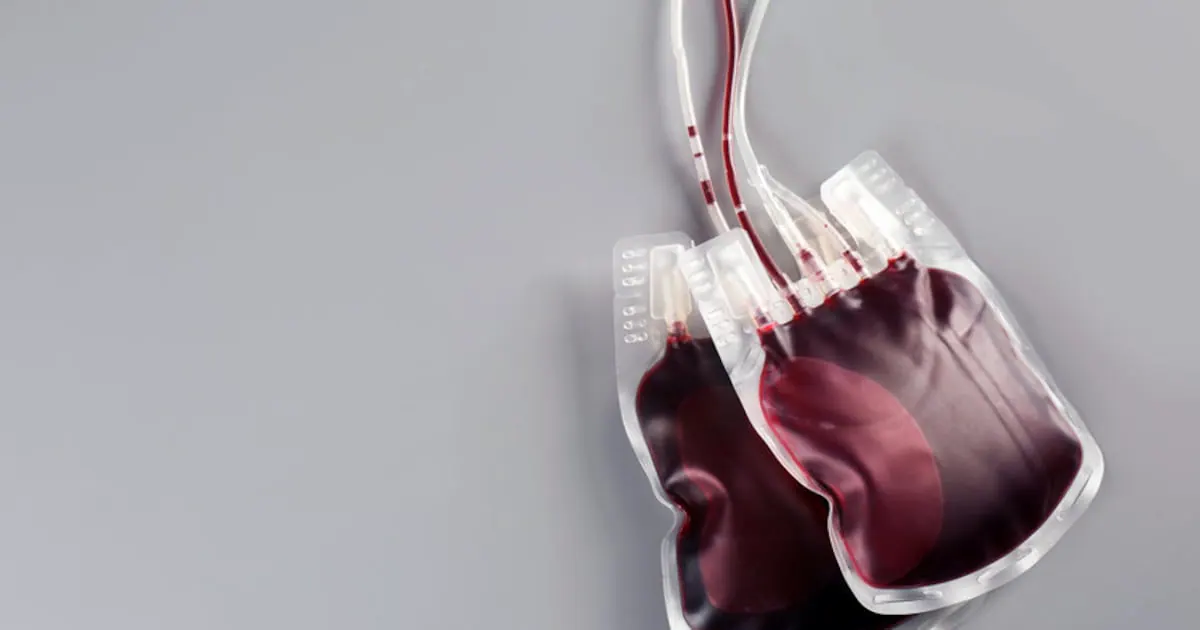
The South African Department of Health has welcomed a significant change in the position of Jehovah's Witnesses on blood transfusions, describing it as "historic and significant". This change is expected to ease the burden on healthcare workers who have faced challenges in treating patients, particularly in emergency and critical-care situations, due to the religious objections to blood transfusions.
For decades, the longstanding religious position against blood transfusions has posed challenges for healthcare workers, particularly when treating patients whose lives depend on the transfusions. Health Minister Dr. Aaron Motsoaledi noted that Jehovah's Witnesses still prohibit the transfusion of whole blood, but emphasized that this prohibition is not significant to the healthcare system.
According to Dr. Motsoaledi, whole blood is rarely used in ordinary medical practice because it is expensive and often unnecessary. Doctors and hospitals have discouraged the use of whole blood for ordinary transfusions for decades. The change in Jehovah's Witnesses' stance is seen as a "giant leap" by the health minister, who said it would ease a longstanding burden on healthcare workers.
The change in stance by Jehovah's Witnesses is expected to have a significant impact on healthcare in South Africa. Blood transfusions are an important medical intervention in situations involving life-threatening blood loss, inadequate oxygen delivery, and problems with haemostasis. The department views the change as a significant development for healthcare workers and patients.
The use of blood transfusions has enabled complex medical procedures that might otherwise be unsafe and has contributed to saving millions of lives. In the past, some healthcare workers have been forced to approach the courts to obtain permission to provide blood transfusions to children whose parents objected to the procedure on religious grounds.
While Jehovah's Witnesses still prohibit the transfusion of whole blood, the department believes that this will not significantly impact the healthcare system. The change in stance is seen as a positive development, allowing healthcare workers to provide life-saving treatment without the burden of religious objections.
The department has welcomed the development, saying it will improve healthcare outcomes for patients in need of blood transfusions. The change is also expected to reduce the number of court cases involving healthcare workers and patients' families who object to blood transfusions on religious grounds.
Key points
- The change in Jehovah's Witnesses' stance on blood transfusions is seen as a significant development for healthcare workers and patients in South Africa.
- The use of blood transfusions has enabled complex medical procedures and saved millions of lives.
- The change in stance is expected to ease the burden on healthcare workers who have faced challenges in treating patients due to religious objections.