The Italian government has approved a decree aimed at regulating the presence of foreign students in schools and banning face coverings. The decree, approved by the cabinet on September 24, 2026, sets a cap of 30% for students without Italian citizenship or sufficient academic background in each school class. This move is intended to prevent the creation of isolated classes with high numbers of foreign students.
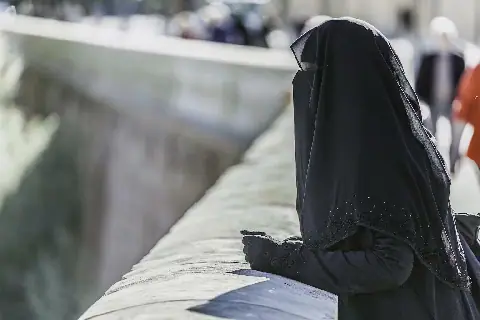
The decree also bans the wearing of burqas, niqabs, and surgical masks in schools, except in cases of illness. Those who breach this ban will face fines ranging from €200 to €1,000. If the offender is a minor, the fine will be applied to their parents. The decree emphasizes the importance of integrating foreign students into the Italian education system and promoting the use of the Italian language.
To support this integration, families will be required to attend free Italian language courses if their child is struggling with the language. Failure to attend these courses will result in fines ranging from €200 to €1,000. The decree also allocates €17.5 million to enhance Italian language education in schools that exceed the 30% cap on foreign students.
The cap on foreign students will apply differently to primary and secondary schools. In primary schools, the cap will affect students without Italian citizenship who were not born in Italy or did not attend kindergarten for at least two years. In secondary schools, it will apply to students who have not successfully completed at least three years of study. Exceptions will be made in cases where the student's residence or family needs justify it.
Italian Education Minister Giuseppe Valditara stated that the goal is to make the Italian language central to the integration process. Prime Minister Giorgia Meloni emphasized that the cap aims to prevent the creation of isolated classes with high numbers of foreign students, ensuring that students from different backgrounds learn together.
The decree also includes additional measures to support students and education. It allocates €8 million over two years to combat cyberbullying and €21 million annually to provide free or partial access to school books for low-income families. Furthermore, €70 million will be allocated to support teachers with guidance and monitoring tasks.
The decree consists of 12 articles and has been introduced to promote social cohesion and improve the education system. The government aims to strike a balance between integrating foreign students and preserving the Italian language and culture in schools.
Key points
- The Italian government has approved a decree banning face coverings in schools and capping foreign student numbers at 30%.
- The decree aims to promote the integration of foreign students into the Italian education system and preserve the Italian language and culture.
- Exceptions to the cap on foreign students will be made in cases where the student's residence or family needs justify it.