The Israeli police have denied allegations made by the Likud party, led by Prime Minister Benjamin Netanyahu, that the recent legislative elections were "stolen" by Arab parties. According to a police source, the voting process was largely free of irregularities, with only a few minor incidents reported. This assessment is consistent with previous elections, suggesting that the electoral process was generally intact.
The allegations of election fraud were swiftly rejected by both the police and the Central Election Commission. A commission official stated that there was no evidence to support the claims, citing a thorough examination of the voting process. The police source also emphasized that no credible evidence, including investigation findings or intelligence, supported the allegations of fraud.
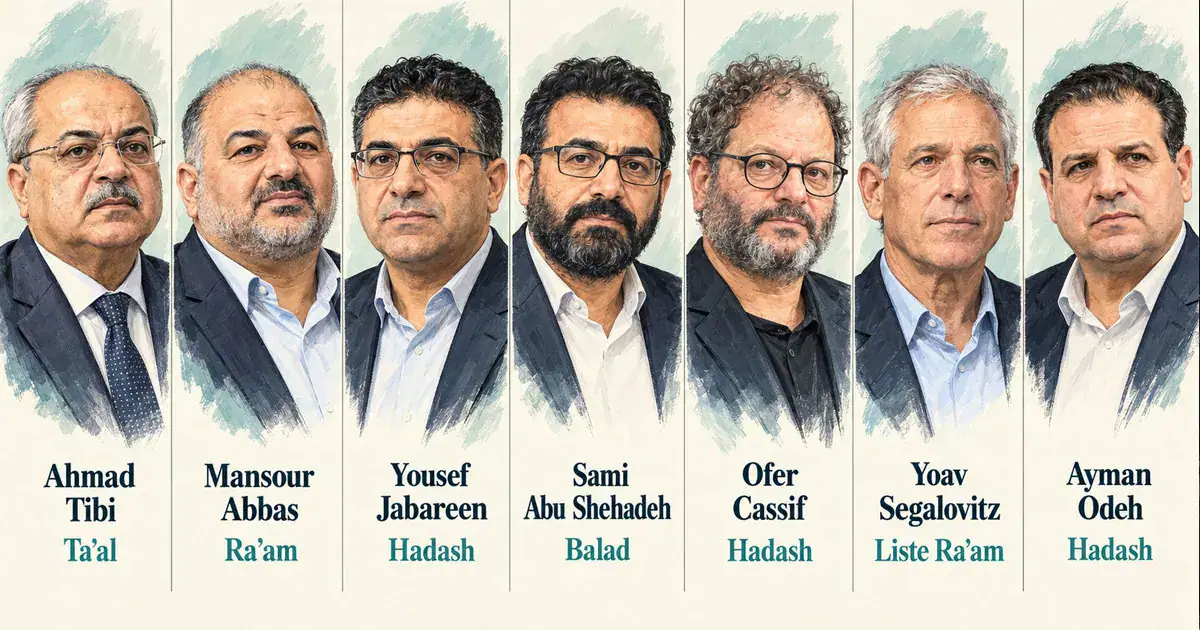
The recent legislative elections in Israel failed to produce a clear majority, with Netanyahu's bloc losing significant ground. According to partial results from the Central Election Commission, Netanyahu's Likud party secured 26 seats, while the opposition coalition led by Gadi Eisenkot obtained 21 seats. The Arab parties, including the United Arab List and Ra'am, retained 19 seats combined.
The elections saw a significant turnout from the Arab community in Israel, with many voters participating in the electoral process. The Central Election Commission reported that 85.6% of ballots had been counted, with the remaining votes to be verified. The final distribution of seats may change as the counting process continues, particularly with the votes in "double envelopes" – including those from Israel Defense Forces (IDF) members – yet to be counted.
The partial results indicate a complex political landscape in Israel, with no clear majority emerging. Netanyahu's Likud party, which had previously held 61 seats, was reduced to 26 seats. In contrast, the opposition coalition and Arab parties gained ground, with Eisenkot's Yashar party securing 21 seats and the United Arab List obtaining 12 seats.
The Israeli police and election officials have urged calm and emphasized the integrity of the electoral process. The rejection of allegations by both the police and the Central Election Commission aims to reassure the public and stakeholders that the elections were conducted fairly. Further counting and verification of votes will continue to determine the final composition of the Israeli parliament.
As the counting process continues, Israeli politicians and parties are preparing for potential coalition negotiations. The emerging political landscape will likely involve complex discussions between parties to form a government. With several parties securing smaller numbers of seats, forming alliances and coalitions will be crucial in determining the next Israeli government.
Key points
- Israeli police reject allegations of election fraud made by Likud party.
- Recent legislative elections failed to produce a clear majority.
- Arab parties retained 19 seats combined, with a significant turnout from the Arab community.