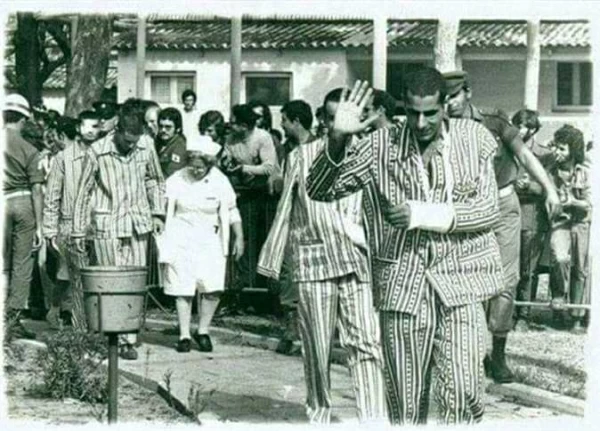
As Egypt and Israel mark 53 years since the 1973 Yom Kippur War, Israeli media outlets have been re-examining the conflict's impact on the country's military and intelligence establishments. The war, also known as the October War, was a pivotal moment in Israeli history, forcing the country to reassess its preparedness and strategic planning. According to Israeli sources, the war's lessons remain relevant today, with many publications emphasizing the need for self-reflection and improvement.
Israeli media outlets, including Kikar HaShabat and Maariv, have been publishing articles and analysis on the war's significance. They highlight the intelligence failures that preceded the conflict, including Israel's underestimation of Egyptian and Syrian intentions and its lack of preparedness for a surprise attack. These failures, according to the publications, came at a significant cost, both in terms of human lives and long-term strategic implications.
Maariv, in particular, has emphasized the importance of learning from the war's lessons. The newspaper has argued that Israel's military, which often relies on its past successes, must be prepared to adapt to new scenarios and threats. Failure to do so, according to Maariv, could lead to catastrophic consequences, as seen in the 1973 war. The newspaper has called for a comprehensive review of Israel's military strategy and preparedness.
The Jerusalem Post has also published an in-depth analysis of the war, focusing on the uncertainty and confusion that characterized the early stages of the conflict. According to the newspaper, then-Israeli Chief of Staff David Eliahu said, "This is the first time Israel has fought a defensive war. We know how to do it from books, but we have never actually fought one before." His assessment, made just hours after the war began, underscored the Israeli military's lack of preparedness.
Five days into the war, Eliahu's assessment became even more dire. He told then-Defense Minister Moshe Dayan, "We cannot win this war." The Israeli military was losing tanks and territory, leading Eliahu to question the point at which Israel could stop the Arab advance. At the time, he believed that Israel needed a stable ceasefire to rebuild its military for "100 years."
The Jerusalem Post also highlighted the role of Egyptian President Anwar El-Sadat, describing him as a "wise and courageous" leader who played a crucial part in the war. According to the newspaper, Israel's greatest failure before the war was its own internal arrogance, particularly within the military intelligence establishment. This arrogance, the Post argued, blinded Israeli leaders to the possibility of a surprise attack.
As Israel marks 53 years since the Yom Kippur War, the country's media outlets continue to emphasize the importance of learning from the conflict's lessons. While Israel has made significant strides in its military and intelligence capabilities, many publications argue that there is still much to be learned from the 1973 war. By revisiting this pivotal moment in Israeli history, the country's media aims to promote self-reflection and improvement.
Key points
- Israeli media revisit 1973 Yom Kippur War to highlight intelligence failures and need for self-reflection.