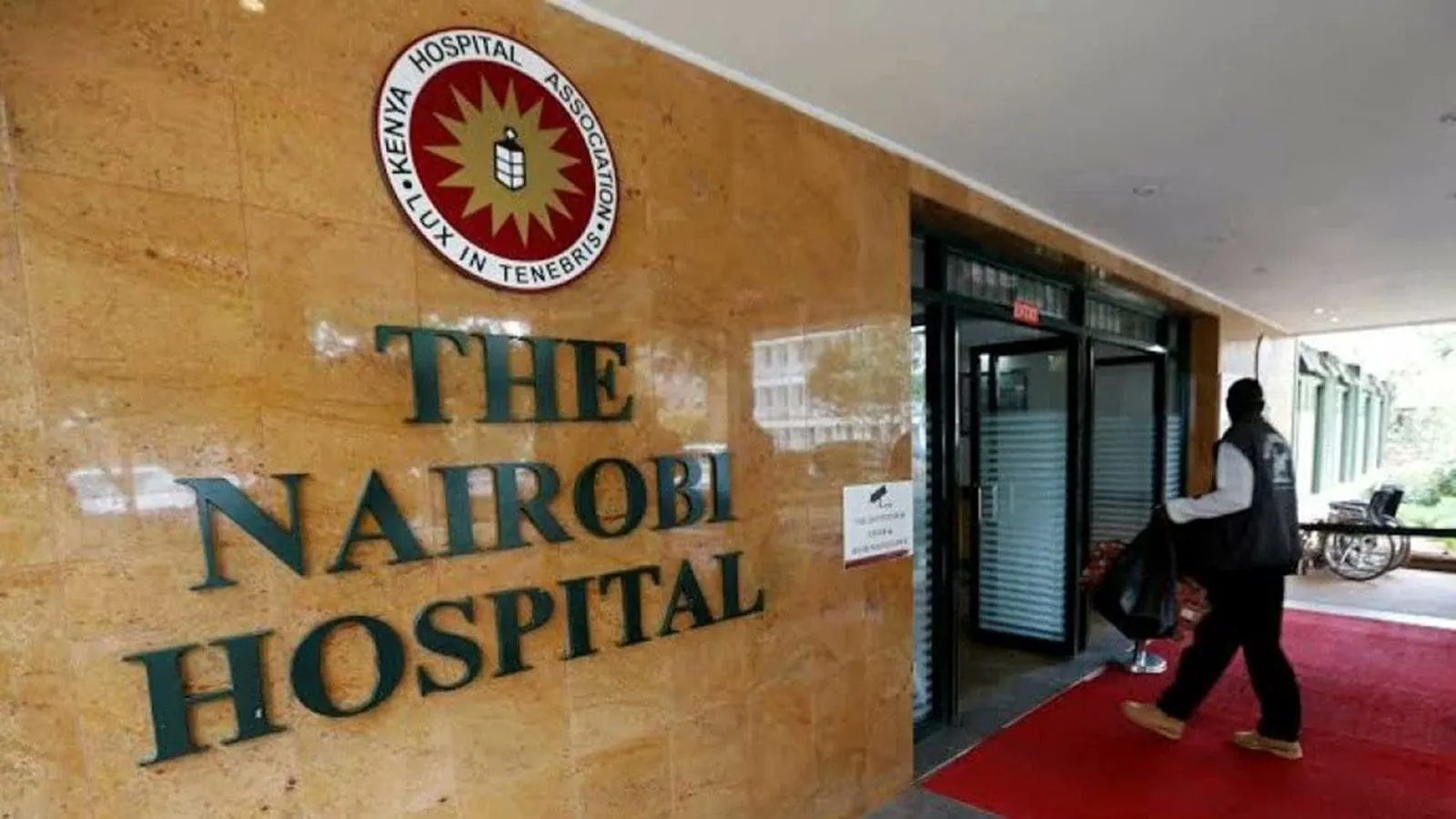
The Nairobi Hospital has heightened its infection-control measures and staff monitoring after a patient treated at the facility was confirmed to have Ebola Virus Disease. This is Kenya's first confirmed imported Ebola case, according to an internal memorandum dated October 6. The hospital immediately escalated infection prevention and control measures after Ebola was suspected, including isolating the patient and restricting access to the designated clinical area.
The hospital is working with the Ministry of Health and national public health authorities to identify people who may have been exposed to the patient and assess their level of risk. The hospital's Infection Prevention and Control and Occupational Health teams are undertaking a systematic risk assessment of potentially exposed staff in collaboration with the Ministry of Health. Staff who had relevant contact with the patient will be individually contacted, risk-stratified, and followed up according to Ministry of Health protocols.
According to the hospital's CEO, Felix Osano, merely working in the hospital, being in the same department, or being in the general vicinity of the patient does not by itself constitute Ebola exposure. Ebola is transmitted primarily through direct contact with blood or other body fluids of an infected symptomatic person or contaminated materials. The level of risk depends on the nature of the interaction with the patient, procedures undertaken, and whether appropriate personal protective equipment was used.
The hospital has identified and documented healthcare workers and other people who had direct interaction with the patient, while reviewing the patient's movement through the facility from presentation through subsequent care. Other measures include enhanced use of personal protective equipment, strict hand hygiene, environmental cleaning and decontamination, safe handling of laboratory specimens, and controlled disposal of potentially contaminated clinical waste and linen.
The hospital has ordered immediate reporting and assessment of any personal protective equipment breach, splash, sharps injury, or unprotected exposure to blood or other body fluids. Staff who believe they had unprotected contact with the patient's blood or body fluids, experienced a PPE breach, or sustained a sharps injury have been urged to report immediately to Infection Prevention and Control or Occupational Health.
The hospital has reinforced screening and early recognition at the Accident and Emergency Department and other entry points, with emphasis on travel history, epidemiological risk assessment, early recognition of suspected cases, and immediate isolation. The facility remains on heightened Ebola alert and will continue working with the Ministry of Health and other relevant agencies to identify every potentially significant exposure and interrupt any possible chain of transmission.
The hospital has cautioned staff against sharing photographs, laboratory reports, clinical records, or identifiable patient information through WhatsApp, social media, or other unofficial channels. Staff are urged to remain vigilant and follow established protocols as the response continues. The hospital's objective is to protect its staff, patients, families, and the wider community from the risk of Ebola transmission.
Key points
- The Nairobi Hospital has stepped up infection-control measures and staff monitoring after a patient was confirmed to have Ebola Virus Disease, Kenya's first confirmed imported case.
- The hospital is working with the Ministry of Health to identify people who may have been exposed to the patient and assess their level of risk.
- Staff who had relevant contact with the patient will be individually contacted, risk-stratified, and followed up according to Ministry of Health protocols.