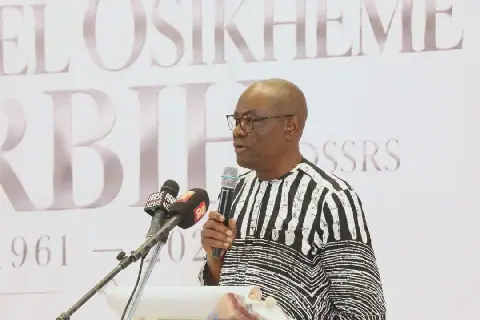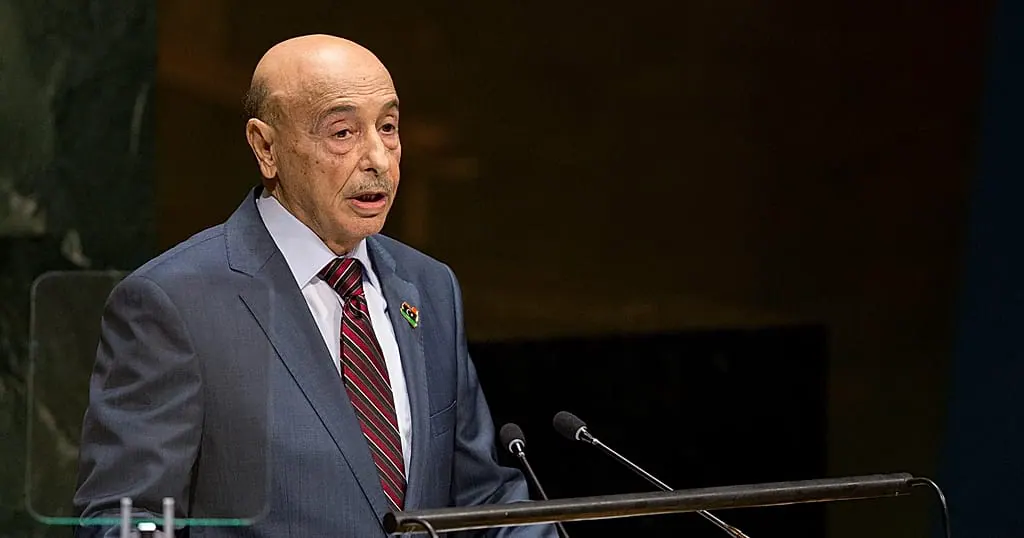
Libya's eastern-based parliament has ousted its speaker, Aguila Saleh, after nearly 12 years in the post. The 170-member House of Representatives voted to replace him with Al-Salhin Abdulnabi al-Obeidi, an engineer representing Tobruk. Saleh's removal comes amid growing discontent among lawmakers over his leadership. His ousting was approved by MPs, marking a significant shift in the eastern parliament.
The vote to oust Saleh came a day after 98 members of the House approved a new system limiting the speaker and deputy speakers to a single 12-month period. This move appears to be a direct challenge to Saleh, who has been a dominant figure in the eastern parliament. Local media reported that Saleh had previously rejected the proceedings, claiming the vote to limit the term was "not official and had no legal effect".
Saleh has been a staunch supporter of Khalifa Haftar, the strongman of the eastern parliament. However, analysts suggest that Saleh's influence appears to be waning as Haftar's sons, particularly Saddam Haftar, consolidate their positions. This development may indicate a shift in the balance of power within the eastern parliament and its alliances.
Libya has been plagued by violence and instability since the overthrow of Muammar Gaddafi in 2011. The country remains divided between the UN-recognised government in Tripoli and the rival administration in the east, backed by Haftar. The eastern parliament's decision to oust Saleh may have implications for the country's ongoing political process.
The US has initiated a new effort to revive the political process and unify Libya's institutions. Saleh's removal comes at a critical juncture, as the international community seeks to find a solution to Libya's protracted crisis. The US initiative may provide an opportunity for Libya's rival factions to engage in fresh talks.
The new speaker, Al-Salhin Abdulnabi al-Obeidi, will face significant challenges in navigating the complex landscape of Libyan politics. As an engineer and representative of Tobruk, al-Obeidi will need to build alliances and negotiate with various factions to effectively lead the eastern parliament.
The ousting of Saleh marks a significant development in Libya's ongoing crisis. The country's future remains uncertain, with many challenges to be addressed in the coming months. The international community will be watching closely as Libya's rival factions navigate this new chapter in their country's history.
Key points
- Libya's eastern-based parliament ousts speaker Aguila Saleh after 12 years amid growing discontent.
- The ousting of Saleh may have implications for Libya's ongoing political process and international efforts to unify the country's institutions.
- The new speaker, Al-Salhin Abdulnabi al-Obeidi, faces significant challenges in navigating Libya's complex politics.