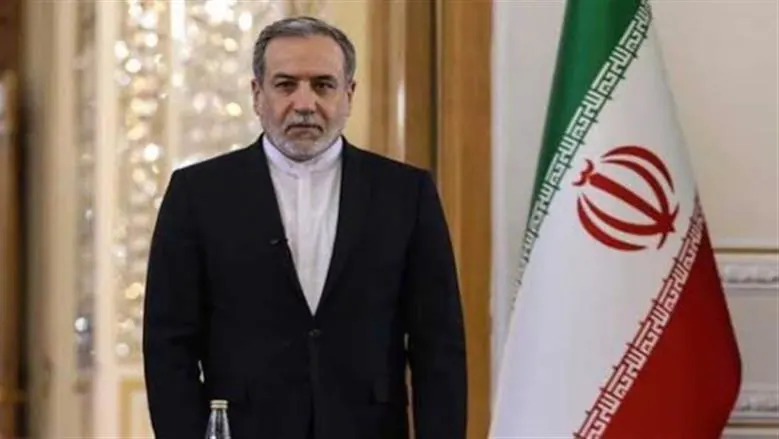
Efforts to revive stalled negotiations between the US and Iran appear to be faltering, with a 7-day proposal failing to yield significant progress. Iranian Deputy Foreign Minister Abbas Araghchi received the US response to Tehran's latest proposals, but the two sides remain far apart on key issues. The talks, which aim to revive the 2015 nuclear deal, have been stalled for months, with both sides trading accusations and maintaining hardline stances.
The US has insisted that any agreement must address Iran's nuclear program, including its uranium enrichment activities, and provide guarantees that Tehran will not rebuild its nuclear capabilities. In contrast, Iran has demanded that the US lift economic sanctions and provide guarantees on the implementation of any agreement. The two sides have also disagreed on the issue of the Strait of Hormuz, a critical waterway for global oil exports.
The 7-day proposal, which was put forward by an unnamed party, aimed to bridge the gap between the two sides. However, with no significant breakthrough reported, it appears that the talks are at a stalemate. Despite this, both sides have indicated a willingness to continue talking, with the US saying that the door to diplomacy remains open.
Regional and international powers have been actively engaged in efforts to revive the talks, with several countries, including Egypt, playing a key role in mediating between the two sides. However, with the negotiations stalled, it remains to be seen whether these efforts will bear fruit. The failure to reach an agreement has raised concerns about the potential for escalation in the region.
The Iranian nuclear program has been a major point of contention in the talks, with the US seeking to limit Tehran's uranium enrichment activities. Iran has insisted that its nuclear program is peaceful, but the US and other Western countries have expressed concerns about the program's potential military applications.
The Strait of Hormuz has also been a major issue in the talks, with Iran seeking to link the free flow of its oil exports to the lifting of US sanctions. The US has insisted that the free flow of oil exports is essential to global energy security, but has refused to lift sanctions until Iran agrees to limit its nuclear program.
With the talks stalled, attention is turning to other regional issues, including the conflict in Yemen and the Israeli-Palestinian peace process. However, the US and Iran have indicated that they remain committed to finding a solution to their differences, and efforts to revive the talks are likely to continue.
Key points
- The US and Iran remain far apart on key issues, including Iran's nuclear program and the lifting of US sanctions.
- Regional and international powers are actively engaged in efforts to revive the talks.
- The failure to reach an agreement has raised concerns about the potential for escalation in the region.