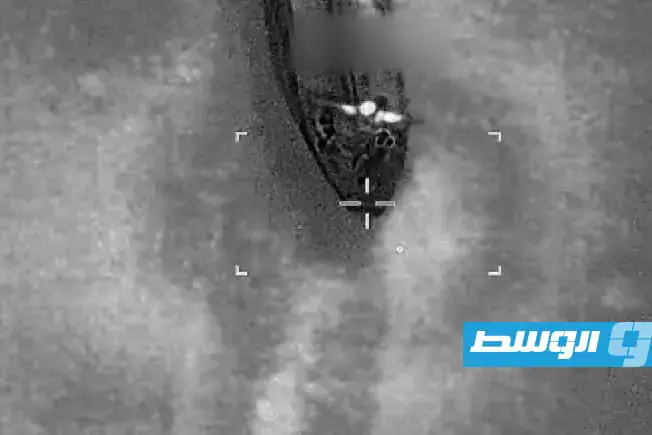
Iran has submitted a comprehensive file to the International Maritime Organization, detailing the attacks carried out by the United States and Israel on Iranian ports and ships. The file includes documents and images that highlight the extensive damage caused to vital infrastructure, including a maritime rescue coordination center, rescue vessels, and essential port facilities. These attacks have raised concerns about the safety of maritime navigation in the Gulf, the Strait of Hormuz, and the Sea of Oman.
The Iranian report emphasizes that the consequences of these attacks extend beyond the destruction of facilities and ships, posing a significant threat to maritime safety in the region. The attacks have targeted navigation towers, communication equipment, and rescue centers, compromising the security of ships passing through these critical waterways. Iran has warned that these actions could have far-reaching implications for regional and global maritime security.
Iranian media outlets have reported that the country's Revolutionary Guard has identified new targets and is planning operations in response to these attacks. The Guard's spokesperson, Sardar Mohibi, stated that there are no geographical limitations in Iran's conflict with the US, and that a broad theater of operations has been designated to inflict damage on the enemy and achieve deterrence. This development suggests an escalation in tensions between Iran and its adversaries.
Meanwhile, Iranian naval authorities have tightened restrictions on navigation through the Strait of Hormuz, a critical waterway for international oil shipments. The navy has insisted that ships use a designated route and coordinate their passage with Iranian military forces. This move is seen as an attempt by Iran to exert greater control over the flow of shipping traffic in the region.
On a related note, the Omani Navy successfully evacuated 25 crew members from a commercial ship that was targeted and caught fire in the Strait of Hormuz. The incident highlights the risks faced by ships transiting this critical waterway. The UK Maritime Trade Operations (UKMTO) reported a separate incident in which a ship was hit by an unknown projectile off the coast of Iran, resulting in a fire on board.
The Iranian Revolutionary Guard announced that four oil tankers had been involved in incidents in the Strait of Hormuz, resulting in fires and explosions. One of the tankers was carrying over 2 million barrels of oil. These incidents have raised concerns about the security of maritime traffic in the region and the potential for further escalation.
The incidents in the Strait of Hormuz have sparked international concern, with the US and other countries closely monitoring the situation. The Iranian government's actions and statements suggest a heightened state of alertness and preparedness in response to perceived threats from the US and Israel. The international community is watching closely, as developments in the region could have significant implications for global security and stability.
Key points
- Iran submits evidence of US and Israeli attacks on its ports and ships to the International Maritime Organization.
- The attacks have raised concerns about the safety of maritime navigation in the Gulf, the Strait of Hormuz, and the Sea of Oman.
- Iran has tightened restrictions on navigation through the Strait of Hormuz, insisting that ships use a designated route and coordinate their passage with Iranian military forces.