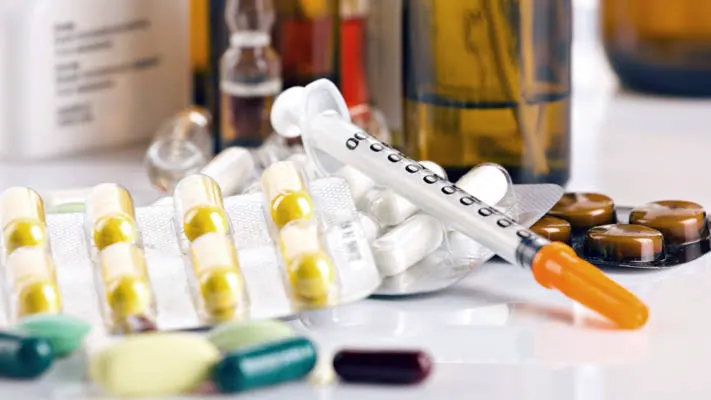
Iran is grappling with a severe shortage of essential medicines, including those used to treat cancer and other critical illnesses. According to reports from Iranian media, the country's pharmaceutical sector is facing significant challenges. This crisis unfolds as the United States continues to exert pressure on Iran through military measures, economic sanctions, and restrictions on maritime transportation.
The Iranian medicine market currently lacks around 800 essential drugs, with 90 of them being crucial for saving lives. Hadi Ahmadi, spokesperson for the Iranian medicine traders' association, revealed that approximately 400 of these medicines are manufactured domestically. Despite efforts to boost local production, the shortage persists, affecting the availability of life-saving treatments for patients.
The prices of essential medicines have surged dramatically. For instance, the cost of Gabapentin, used to treat epilepsy and nerve pain, has increased by 220% compared to the previous year. Acetaminophen, a common pain reliever and fever reducer, has seen a 375% price hike. Similarly, Amoxicillin, an antibiotic, has become 285% more expensive, while Fluoxetine, used to treat depression, has risen by 100%.
The price of Insuline, a daily necessity for diabetes patients, has skyrocketed to six times its price from the previous year. This sharp increase in medicine prices is part of a broader issue of rampant inflation in Iran. The country is experiencing one of the highest inflation rates globally, with food prices increasing by over 123% in August compared to the previous year.
The Iranian government has long prioritized self-sufficiency in pharmaceutical production, similar to other sectors of the economy. The country has developed capabilities to manufacture basic materials used in drug production, industrial equipment, and finished medicines. However, despite these efforts, Iran's pharmaceutical sector remains heavily reliant on imported goods.
Many critical raw materials and finished medicines are not produced domestically, leading to shortages and price hikes. The Mehr News Agency reported these developments, highlighting the challenges faced by patients and the healthcare system. The situation underscores the impact of international sanctions on Iran's ability to secure essential medical supplies.
As Iran navigates its economic challenges, the pharmaceutical crisis remains a significant concern. With high inflation and medicine shortages, the Iranian population faces considerable hurdles in accessing necessary healthcare. The international community continues to monitor the situation, with many advocating for measures to alleviate the humanitarian impact of the sanctions on the Iranian people.
Key points
- Iran faces a severe shortage of 800 essential medicines amid US sanctions.