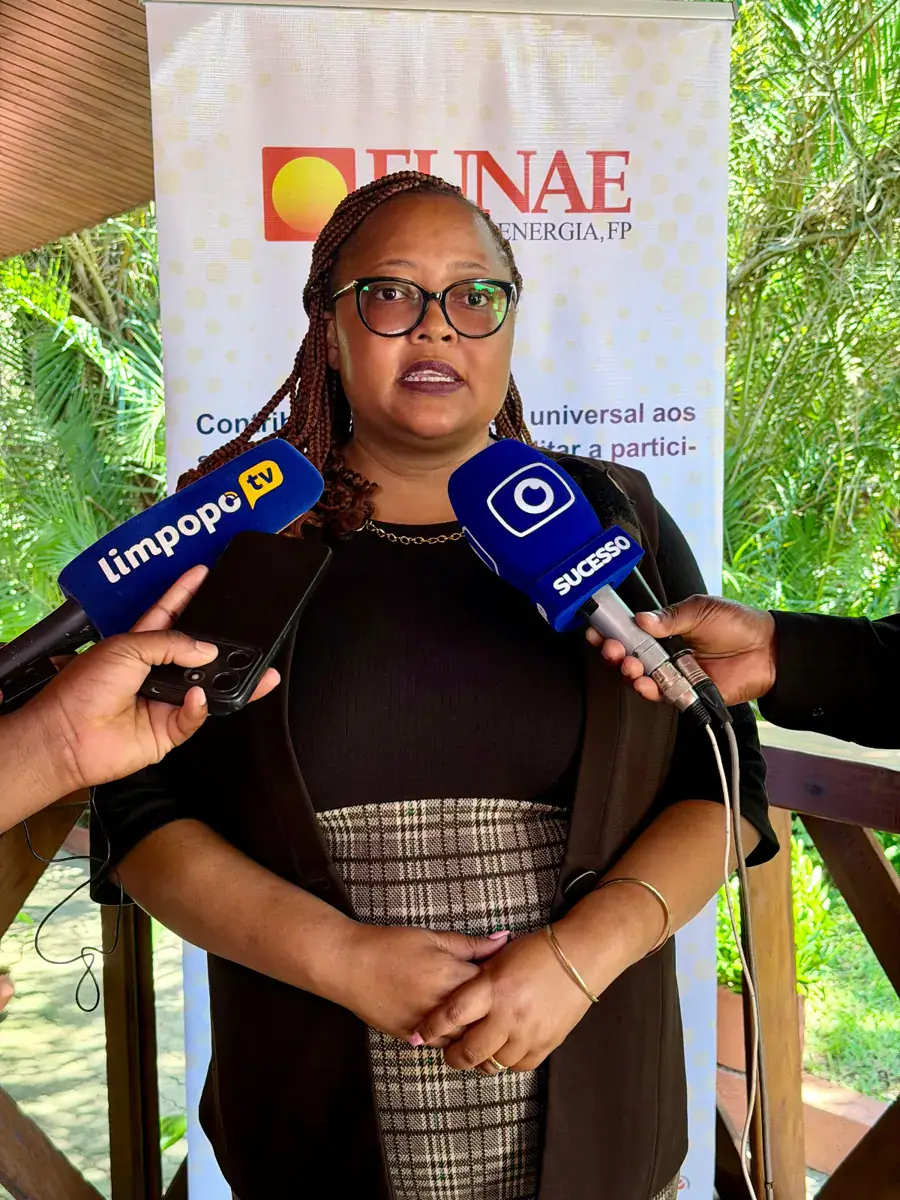
The Mozambican Energy Fund (FUNAE) is collaborating with Petromoc, maintenance companies, and fuel station managers to overcome challenges affecting fuel supply in rural areas. The initiative aims to address logistical difficulties, delayed technical assistance, and transportation limitations to remote districts. This effort was highlighted at the Southern Region Meeting of Fuel Stations, held in the municipality of Praia de Bilene, Gaza province.
Loide Ngundela, Director of the Fuel Division at FUNAE, explained that one of the main challenges is the location of fuel stations in rural areas, often far from distribution centers. This makes it difficult to transport fuel and provide technical assistance in case of breakdowns. FUNAE is working with Petromoc to find mechanisms to ensure a more regular supply, particularly in districts where FUNAE fuel stations are the only alternative for accessing fuel.
Since its creation, the program has enabled the construction of 120 fuel stations across the country, with 25 located in the Southern region, covering three provinces and accounting for 21% of the total. Ngundela emphasized that the program has improved fuel accessibility in rural areas. However, fuel station managers highlighted the need for improved logistics and better access conditions to ensure continuity of services.
Luís de Almeida, manager of the Massangena fuel station in Gaza, cited poor road conditions as a major constraint. The 210 kilometers of dirt road make it difficult to transport fuel, especially after the rainy season. This can lead to temporary interruptions in fuel supply, affecting transporters and other economic activities. Almeida emphasized the need for improved road infrastructure to ensure a stable fuel supply.
Samuel Mabote, manager of the Mabote fuel station in Inhambane province, stressed the importance of coordination between FUNAE and Petromoc to guarantee fuel availability. He noted that his station has benefited from some regularity in fuel supply but advocated for increased storage capacity and a more balanced distribution of fuel, taking into account the specific needs of each district.
During the meeting, FUNAE appealed to local governments to prioritize the use of fuel stations built by the state, ensuring their financial sustainability and continuity of services to the population. The meeting also emphasized the need for improved preventive maintenance of equipment, organization of fuel stations, and quality of service to ensure that public investments achieve their purpose of providing fuel to rural communities.
The efforts to improve fuel supply in rural areas are part of a broader strategy to promote economic development and improve living standards in Mozambique. Key initiatives include the construction of new fuel stations, improved logistics, and enhanced coordination between stakeholders. Three key points have emerged from these efforts: the need for improved road infrastructure, increased storage capacity, and better coordination between FUNAE, Petromoc, and fuel station managers.
Key points
- FUNAE is working with Petromoc to ensure a regular fuel supply in rural areas.
- The program has enabled the construction of 120 fuel stations across the country.
- Improved logistics and better access conditions are necessary to ensure continuity of services.