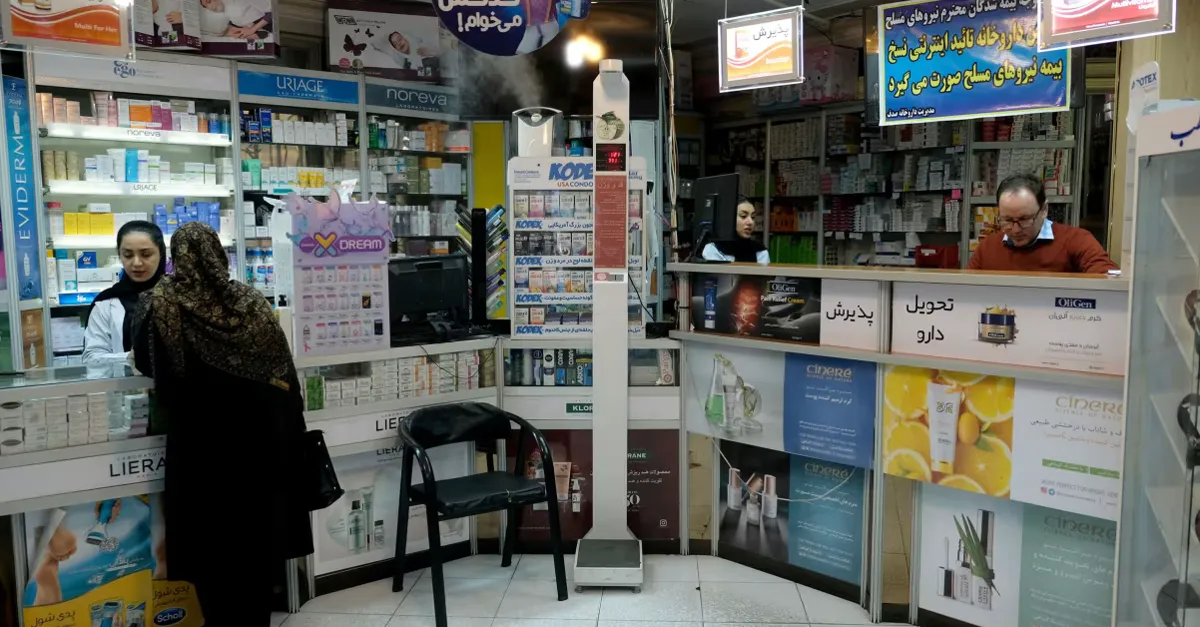
Iran is grappling with a severe medicine crisis, as sanctions, inflation, and import challenges have led to shortages of essential drugs. The country's pharmaceutical industry, which produces over 97% of its medicines, is struggling to maintain production due to reliance on imported raw materials and equipment. This has resulted in a significant increase in prices, making medicines unaffordable for many Iranians. Patients with chronic conditions, such as those with kidney disease, cancer, and diabetes, are bearing the brunt of the crisis.
The crisis has led to a significant shortage of medicines, with reports indicating that nearly 800 drugs are in short supply. Patients are being forced to reduce their medication doses or delay doctor visits, while some are seeking alternative treatments that are less effective. The Iranian Association of Pharmacists has warned that the crisis is worsening, with many pharmacies struggling to stock essential medicines. The situation has become so dire that some families are being forced to sell their belongings to afford medication.
The Iranian government is facing significant challenges in providing foreign currency to import medicines, which has exacerbated the crisis. The country's pharmaceutical industry relies heavily on imports, and the decline in foreign currency reserves has made it difficult to maintain production. The situation has been further complicated by the US sanctions, which have restricted Iran's access to international financial transactions. This has made it difficult for Iranian companies to import raw materials and equipment, leading to a decline in medicine production.
The crisis has also been exacerbated by the COVID-19 pandemic and the ongoing conflict in the region. The pandemic has put additional pressure on the country's healthcare system, while the conflict has disrupted supply chains and led to shortages of essential medicines. The Iranian Association of Pharmacists has estimated that the country's pharmacies are facing debts of around $300 million, which has further exacerbated the crisis.
The US sanctions have had a significant impact on Iran's pharmaceutical industry, restricting access to foreign currency and disrupting supply chains. The sanctions have also made it difficult for Iranian companies to import raw materials and equipment, leading to a decline in medicine production. The situation has been further complicated by the US policy of "presumed denial" on certain licenses, which has increased the risk for companies and banks dealing with Iran.
The crisis has had a devastating impact on patients with chronic conditions, who are struggling to access essential medicines. Many patients are being forced to rely on black market medicines or seek treatment abroad, which is often unaffordable. The situation has also led to a significant increase in healthcare costs, which has further exacerbated the crisis. The Iranian government has been urged to take immediate action to address the crisis and ensure that patients have access to essential medicines.
The international community has expressed concern over the worsening medicine crisis in Iran, with many calling for an easing of sanctions to allow for the import of essential medicines. However, the US has maintained its stance on sanctions, citing concerns over Iran's ballistic missile program and support for terrorist groups. The crisis is expected to continue to worsen unless a solution is found to address the shortages and ensure that patients have access to essential medicines.
Key points
- The Iranian medicine crisis is attributed to a combination of factors, including US sanctions, inflation, and import challenges.
- The crisis has resulted in significant shortages of essential medicines, affecting patients with chronic conditions.
- The international community has expressed concern over the worsening crisis, calling for an easing of sanctions to allow for the import of essential medicines.