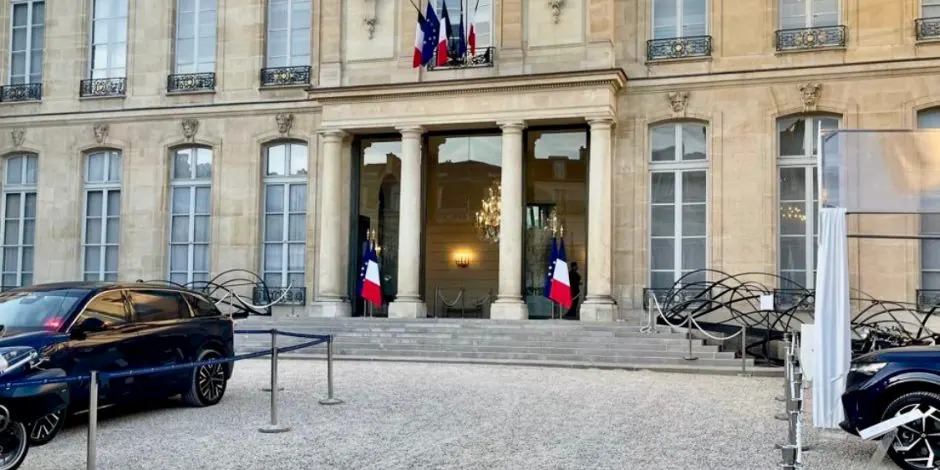
The Egyptian journalists were given a unique opportunity to tour the Elysee Palace, the official residence of the French President, as part of the 43rd European Heritage Days celebrations. The palace, which has been the seat of French power for over three centuries, is not often open to the public. The journalists were able to explore the opulent halls and rooms, gaining insight into the history and inner workings of the palace.
The Elysee Palace was built in 1722 as a private aristocratic mansion called the Hotel d'Evreux. Over the years, it has been the residence of several prominent figures, including Madame de Pompadour, the influential mistress of King Louis XV. The palace has witnessed significant events in French history, including Napoleon Bonaparte's abdication in 1815 and the establishment of the French Republic in 1848.
The journalists visited the palace's library, which was originally a bedroom and features official portraits of former French presidents, including Charles de Gaulle and Francois Mitterrand. They also saw the salon dedicated to the First Lady, which has been decorated with elegant furnishings and artwork. The palace's interior design reflects the various periods and styles of French history, with ornate furnishings and intricate details.
One of the rooms, the Salon de Cleopatre, was named after the Egyptian queen Cleopatra and features a contemporary tapestry designed by artist Yves Oppenheim. The room was originally a dressing room for Madame de Pompadour and features a historic wall hanging depicting the meeting between Cleopatra and Mark Antony.
The journalists also saw the grand staircase, known as the Escalier de Mora, which was built in the 18th century and features a beautifully decorated banister. The staircase leads to the state rooms, including the Salon Vert, which was used for cabinet meetings during the presidency of General Charles de Gaulle.
The palace's Golden Salon, which serves as the office of the President, features ornate furnishings and artwork, including a contemporary installation by artist Benoit Peeters. The journalists also saw the palace's impressive collection of gifts received by the President during official visits abroad.
The Elysee Palace is not only a historic landmark but also a working presidential residence. The journalists were able to see the palace's impressive gardens and the Winter Garden, which was built in the 19th century and features a stunning glass roof. The palace's staff takes great care to maintain the historic building and its beautiful surroundings.
Key points
- The Elysee Palace is a historic landmark that has played a significant role in French history and politics.
- The palace features an impressive collection of artwork and furnishings, reflecting the various periods and styles of French history.
- The journalists' tour provided a rare glimpse into the inner workings of the palace and its significance in French politics.