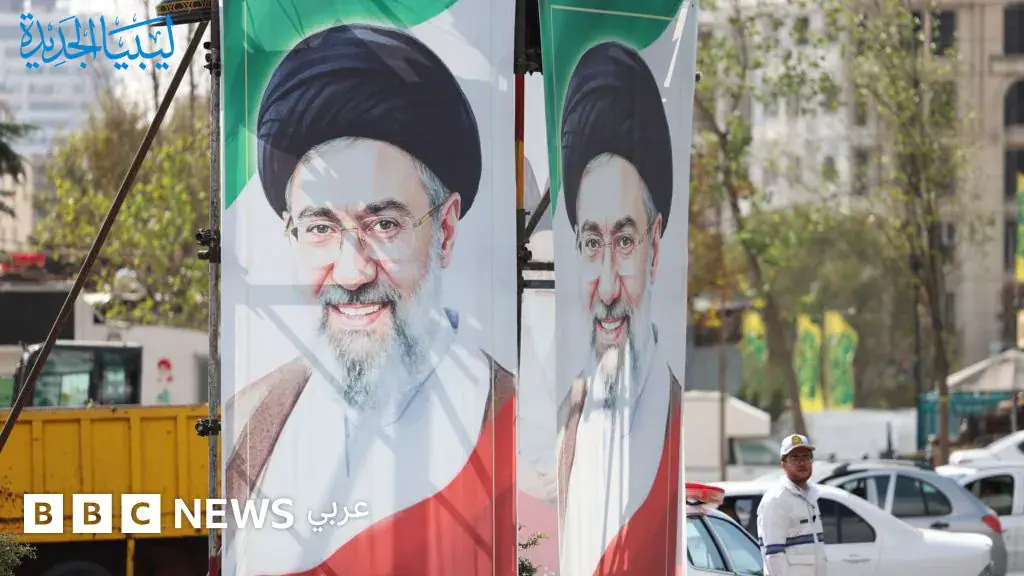
Iran's Supreme Leader, Ali Khamenei, has ordered the country's military to respond immediately and without geographical constraints to any new threats. This directive was given during a meeting with top military commanders, where Khamenei emphasized the importance of being prepared to face enemies with strength and determination. The meeting, which was the first of its kind to be publicly announced, included high-ranking officials such as the Chief of Staff of the Iranian Armed Forces, Ali Abdollahii, and the Commander of the Iranian Army, Amir Hatami.
According to the official Iranian news agency, IRNA, Khamenei stressed that Iran will determine the timing and conditions for ending any military attacks or new "terrorist" actions by its enemies. He also ordered the military to update its list of military targets, including those in the United States and Israel, to be prepared to strike at any moment. Furthermore, Khamenei emphasized the need to enhance the country's military intelligence and defensive capabilities, using modern technologies to stay ahead of potential threats.
The orders from Khamenei come amid rising tensions between Iran and the United States, with both countries engaging in a war of words and threats. The Iranian military has warned that any new US attacks would only lead to a wider conflict, while US officials have hinted at the possibility of further military action. Iranian Foreign Minister, Abbas Araghchi, has stated that there are currently no plans for talks with US officials, despite efforts by mediators to prevent a return to violence.
Araghchi revealed that Iran had received a message from US Vice President, JD Vance, which was reviewed and discussed in high-level meetings. However, he warned that if the US message was intended to incite conflict, it would be another mistake. The Iranian Foreign Minister did acknowledge that US efforts to open a dialogue and reach a broader understanding could be a positive step.
Diplomatic efforts are underway to prevent a renewed conflict, with Qatari and Pakistani mediators engaging with Iranian officials. A Qatari delegation visited Tehran for talks with high-ranking Iranian officials, while a US delegation, led by Vance, has also been involved in efforts to ease tensions. However, these talks have yet to yield a lasting agreement.
The conflict between Iran and the US has been ongoing since February, when US and Israeli strikes killed Iran's Supreme Leader and several top military commanders. Iran has since targeted US interests in the Middle East and Israeli targets. The conflict has had significant regional implications, with the Strait of Hormuz, a vital shipping route, being a key point of contention.
The situation is being closely watched by regional and international leaders, with Egyptian Foreign Minister, Badr Abdelatty, expressing concerns about the potential for further escalation. He warned that any new conflict would have severe consequences and urged restraint. The US is set to hold midterm elections next Tuesday, which could impact the trajectory of the conflict.
Key points
- Iran's Supreme Leader has ordered the military to respond immediately to any new threats without geographical constraints.
- Diplomatic efforts are underway to prevent a renewed conflict between Iran and the US.
- The conflict has significant regional implications, with the Strait of Hormuz being a key point of contention.