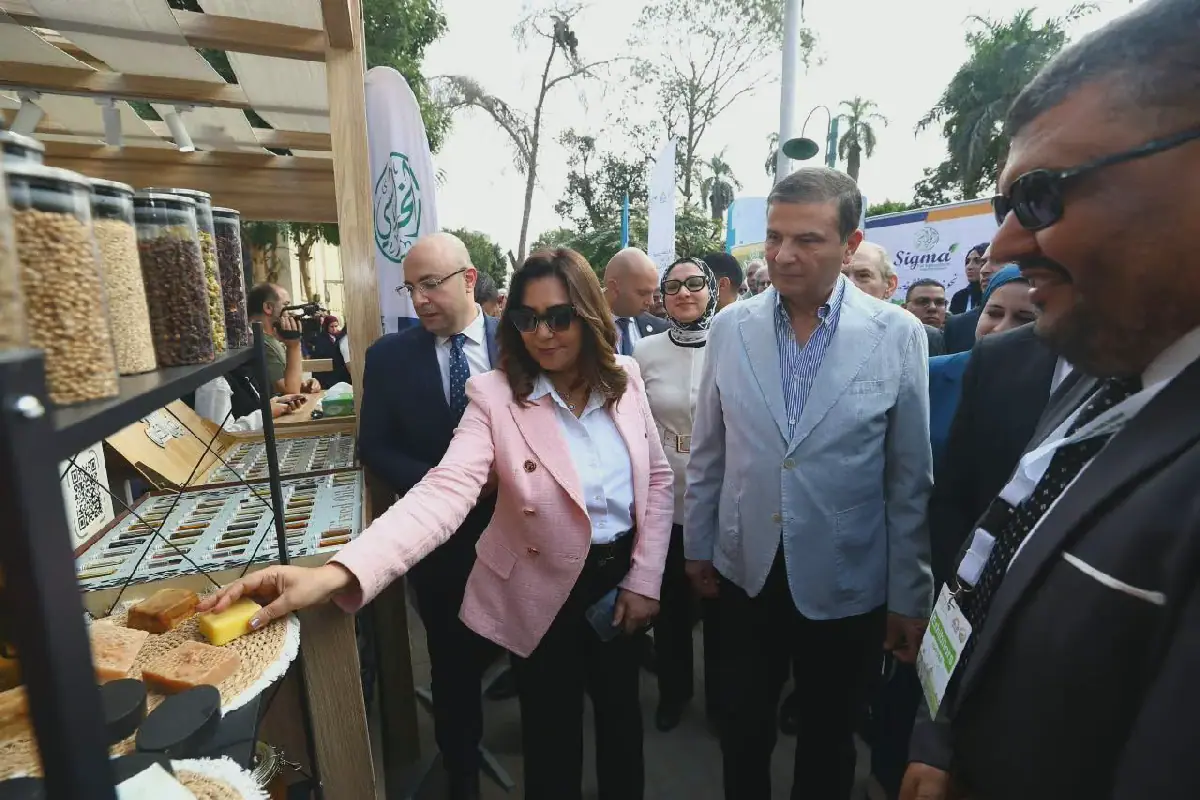
Egypt's exports of medicinal and aromatic plants and related products reached around $852m in 2025, according to Agriculture Minister Alaa Farouk. The minister made the remarks at the opening of the fifth Medicinal and Aromatic Plants Festival at the Agricultural Museum in Dokki. The festival brings together more than 80 farmers, processors, exporters, and investors. Farouk highlighted the significance of medicinal and aromatic crops in Egypt's agricultural sector.
Medicinal and aromatic crops are cultivated on around 80,000 feddans across Egypt and include marjoram, basil, mint, anise, chamomile, fennel, coriander, hibiscus, and jasmine, as well as aromatic oils and extracts. The country's exports of dried herbs, extracts, and oils reached $852m in 2025, compared to around $400m in previous years. However, the ministry's statement did not specify the period covered by the comparison. This significant increase indicates a growing demand for Egyptian medicinal and aromatic plants.
Around 85% of the output of some crops in dried-herb form is exported, making the sector an important source of foreign currency and employment. Farouk emphasized the ministry's aim to move beyond exporting raw agricultural products by encouraging investment in drying, extraction, distillation, essential oils, and plant-based products with higher added value. This strategy is expected to boost the sector's growth and increase its contribution to Egypt's economy.
The ministry is working to improve farming practices, product quality and safety, water-use efficiency, and traceability and certification systems required by international markets. Farouk called for stronger links between farmers, processors, and exporters, alongside wider adoption of contract farming and greater integration of small-scale farmers into value chains. These efforts are crucial to increasing the sector's competitiveness and meeting the demands of global markets.
Local Development and Environment Minister Manal Awad highlighted the importance of expanding processing for pharmaceutical, food, cosmetic, and essential oil products to raise the value of Egypt's agricultural output. The government is developing an integrated service centre for medicinal and aromatic plants in Samasta, Beni Suef governorate, in cooperation with the United Nations Development Programme (UNDP) and the European Union.
The centre will include sterilization and processing units, residue-testing services, and agricultural advisory and marketing support to improve product quality and help producers increase exports and incomes. The festival is organized with support from the German Agency for International Cooperation (GIZ), under a program aimed at increasing small farmers' incomes and promoting agricultural innovation. This initiative is expected to have a positive impact on the sector's growth and development.
The growth of Egypt's medicinal and aromatic plant sector is crucial to the country's economy, providing employment opportunities and generating foreign currency. With the government's efforts to expand local processing and increase value added across the sector, Egypt is poised to become a major player in the global market for medicinal and aromatic plants. The sector's future growth and development will depend on the successful implementation of these strategies.
Key points
- Egypt's medicinal and aromatic plant exports reached $852m in 2025.
- The government aims to expand local processing and increase value added across the sector.
- An integrated service centre for medicinal and aromatic plants is being developed in Samasta, Beni Suef governorate.