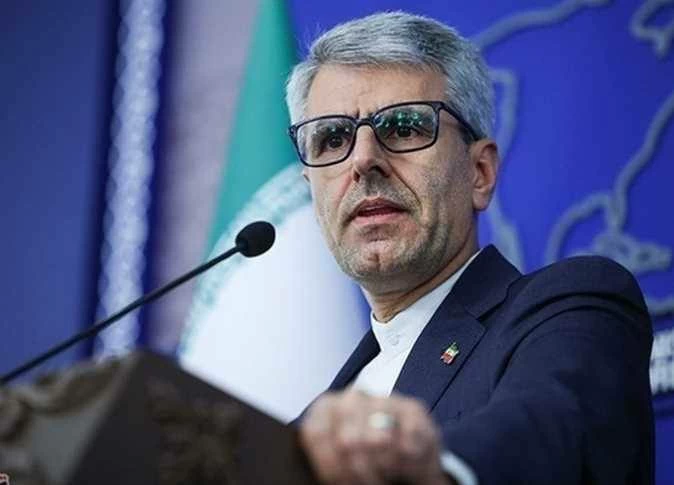
Iranian Foreign Ministry spokesperson, Ismail Baqai, stated that Iran's demands for lifting sanctions and ending the naval blockade remain unchanged. According to the Iranian official news agency IRNA, Baqai emphasized that as long as the naval blockade is in place, it is viewed as a hostile act. He added that any discussion of ending the conflict or normalizing the situation in the region would be impossible until those conditions are met.
Baqai's comments come ahead of Iran's participation in the United Nations General Assembly meetings. He noted that there is little incentive for Iranian representatives to attend the meetings in New York, but it is a platform that should not be abandoned. The Iranian Foreign Ministry spokesperson's statements highlight the country's continued insistence on addressing its concerns regarding sanctions and the naval blockade.
Iranian Parliament Speaker, Mohammad Bagher Ghalibaf, recently echoed similar sentiments. He stated that Iran would not open the Strait of Hormuz until its conditions are met and American commitments are fulfilled. Ghalibaf emphasized that Iran must be prepared to fight and negotiate simultaneously, using military force to deter enemies and diplomacy to consolidate gains on the battlefield when the time is right.
The Iranian government's stance on sanctions and the naval blockade has been a longstanding point of contention. The country's leaders have consistently called for the lifting of sanctions and an end to the blockade, which they view as a significant obstacle to economic growth and regional stability. The international community has been closely watching developments in Iran, particularly in light of recent diplomatic efforts.
The United States and Iran have had a complex relationship in recent years, marked by periods of heightened tension and diplomatic engagement. The two countries have been engaged in discussions aimed at reviving the Joint Comprehensive Plan of Action (JCPOA), a nuclear agreement that was signed in 2015 but unraveled in 2018 when the US withdrew from the deal. Efforts to revive the agreement have faced significant challenges.
Iran's insistence on addressing its concerns regarding sanctions and the naval blockade is likely to continue to be a major point of contention in its diplomatic engagements. The country's leaders have made it clear that they will not compromise on these issues, which they view as essential to the country's economic and national security interests.
The situation remains uncertain, with many stakeholders closely watching developments in Iran and the region. The Iranian government's continued emphasis on its demands for lifting sanctions and ending the naval blockade suggests that diplomatic efforts will need to address these concerns in a meaningful way if progress is to be made.
Key points
- Iran's demands for lifting sanctions and ending the naval blockade remain unchanged.
- Iranian leaders emphasize the need to address these concerns before engaging in further diplomatic discussions.
- The situation remains uncertain, with many stakeholders closely watching developments in Iran and the region.