Deputy Minister for Education, Dr. Clement Apaak, has called on governments and development partners in West Africa to prioritize investments in proven education interventions. This initiative aims to prevent children affected by conflicts, climate shocks, and other emergencies from losing access to learning. Dr. Apaak emphasized that responses to education emergencies should be driven by evidence, showing which interventions work, who they work for, and the conditions under which they can be successfully implemented.
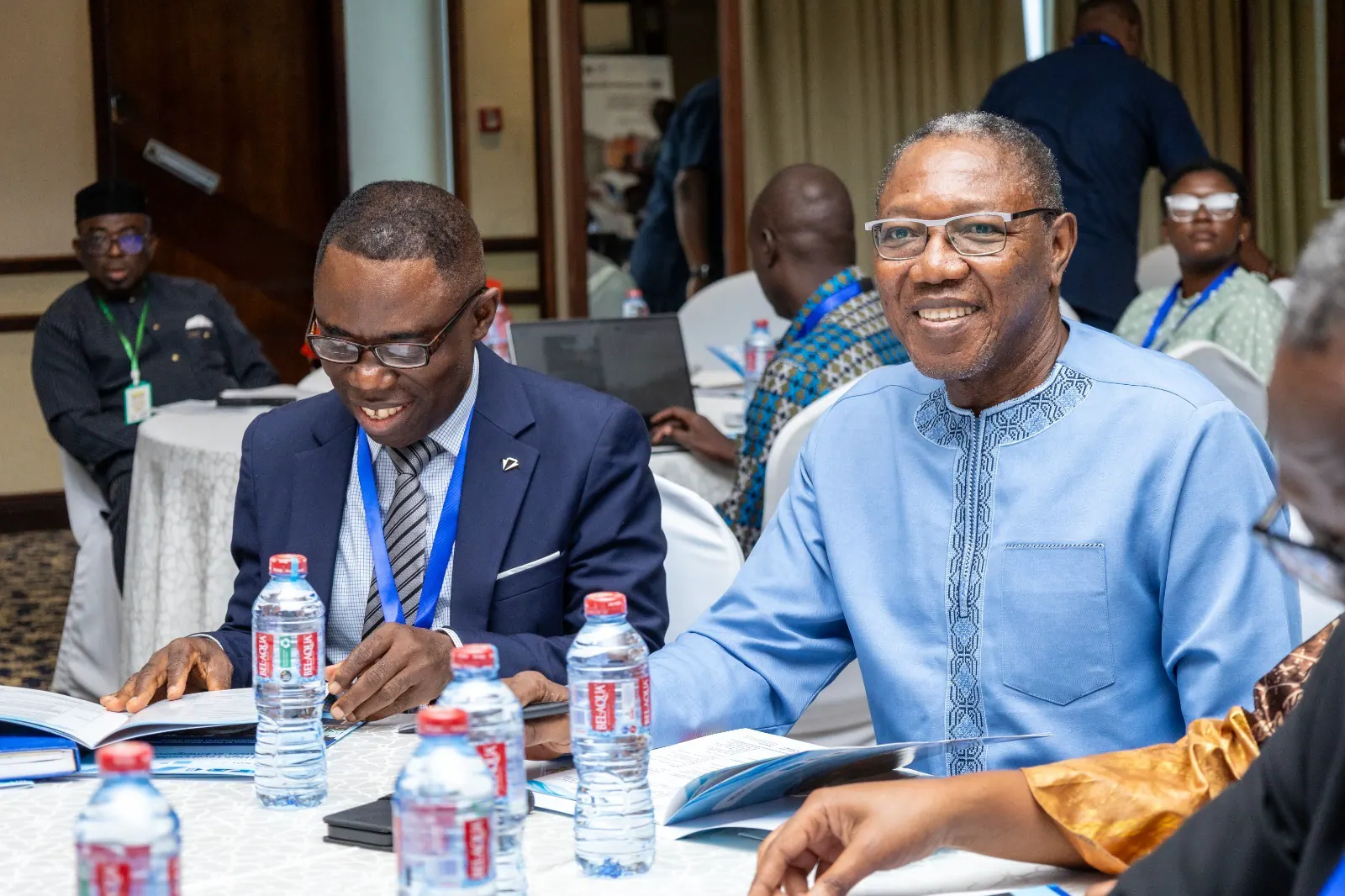
Dr. Apaak made the call in a keynote address delivered on behalf of Education Minister Haruna Iddrisu at the 2nd High-Level Conference on Scaling Education Initiatives in Emergencies, ACCELERATE+, in Accra. The conference brings together researchers, policymakers, education practitioners, and development partners from Ghana, Burkina Faso, Nigeria, and other parts of West Africa. The goal is to discuss how effective education interventions can be expanded to reach children affected by emergencies.
Conflicts in the Sahel, floods, droughts, health emergencies, and economic hardship continue to disrupt education across West Africa. Girls, children with disabilities, rural communities, and poor households are among those most affected. Dr. Apaak urged governments and development partners to use research to establish what works, for whom, at what cost, and under what conditions before committing scarce resources to education interventions during emergencies.
Ghana's experience during the COVID-19 pandemic demonstrated the importance of building education systems capable of keeping children learning when normal schooling is disrupted. Radio, television, and online platforms were used to continue teaching and learning during school closures. However, children without access to devices, electricity, internet connectivity, or adult support were at greater risk of being left behind.
Dr. Apaak emphasized that emergency education interventions must take account of existing inequalities and ensure vulnerable children are not excluded. He stressed that gender equality and social inclusion are not add-ons, and if programs do not reach girls, children with disabilities, and the displaced, they are failing. The Deputy Minister also called for greater attention to foundational learning, arguing that getting children back into classrooms after an emergency is not sufficient if they are unable to read or perform basic mathematics.
Dr. Apaak identified four priority areas for education investment in West Africa: building resilience before emergencies occur, scaling interventions that have demonstrated results, placing equity at the center of education responses, and strengthening domestic financing and regional cooperation. He also urged researchers to make their findings accessible to policymakers and called on governments to allow evidence to inform education policies, programs, and budgets.
The ultimate measure of the region's response should be whether children pushed furthest away from education by crises are able to return to learning and make meaningful progress. Dr. Apaak said accelerated education programs, community-based learning, low-technology remote learning, and proven foundational learning interventions should receive sustained and predictable funding rather than remain short-term pilot projects.
Key points
- Deputy Minister for Education, Dr. Clement Apaak, calls for investment in proven education interventions to prevent children affected by emergencies from losing access to learning.
- Dr. Apaak emphasizes the importance of evidence-based responses to education emergencies and the need for equity and social inclusion in education programs.
- The Deputy Minister identifies four priority areas for education investment in West Africa, including building resilience, scaling effective interventions, and strengthening domestic financing and regional cooperation.