The humanitarian crisis in Chad's Ennedi-Est province has taken a new turn as the number of refugees in Oure Cassoni camp has surged to over 118,000 in less than four years. This rapid growth has put a strain on essential infrastructure and services, with water, shelter, healthcare, and education becoming pressing concerns. The existing facilities, designed for a much smaller population, are struggling to meet the increasing demands.
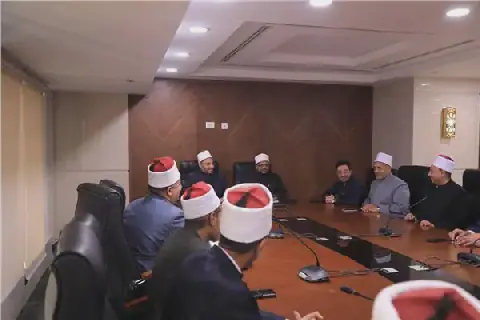
The centre de santé, schools, and basic infrastructure are under immense pressure, with many families living in precarious conditions. The shelter situation is a major concern, and the continuous influx of refugees is adding to the strain on available resources. A UN mission to the site on September 30, 2026, heard firsthand about the difficulties faced by refugees and host communities from Chad's minister of social action, solidarity, and humanitarian affairs, Zara Mahamat Issa, and several ambassadors and diplomatic mission representatives.
Access to water is a central concern for the people of Oure Cassoni, who rely on it not only for domestic use but also for agriculture and livestock. Around 85% of refugees depend on these activities for their livelihoods. However, weak rainfall has further complicated the situation, threatening household incomes. With needs continuing to grow and humanitarian funding declining, aid actors are warning of the need for increased support.
The situation at Oure Cassoni highlights the strain on resources and basic services faced by host communities, who are also struggling to cope with the growing demands. The refugee crisis has significant implications for the region, and addressing the needs of both refugees and host communities is essential.
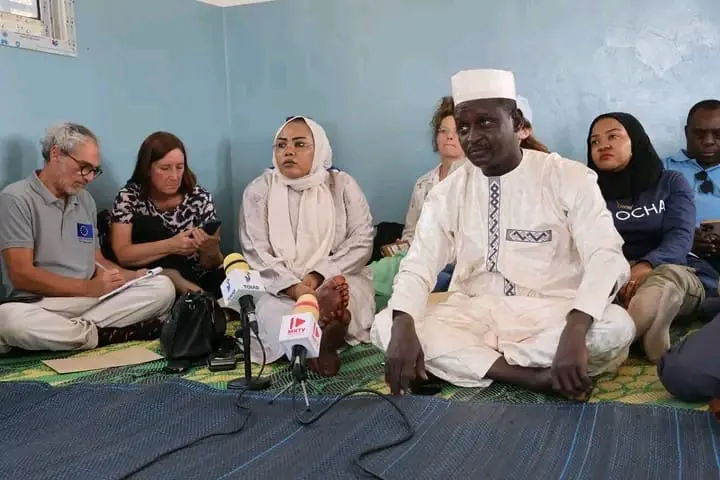
During the UN visit, refugees and host communities expressed their concerns about the lack of access to basic services, including water, healthcare, and education. The mission highlighted the need for urgent action to address these pressing concerns and ensure the well-being of those affected by the crisis.
The crisis in Oure Cassoni is a microcosm of the broader humanitarian situation in the region, with multiple factors exacerbating the situation. The effects of climate change, conflict, and displacement are combining to create a complex and challenging situation for those affected.
As the situation continues to deteriorate, humanitarian actors are calling for increased support to address the growing needs of refugees and host communities in Oure Cassoni and beyond.
Key points
- Over 118,000 refugees are facing severe water shortages in Oure Cassoni camp.
- The crisis has significant implications for host communities, who are also struggling to cope with the growing demands on resources and basic services.
- Humanitarian actors are warning of the need for increased support to address the growing needs of refugees and host communities.