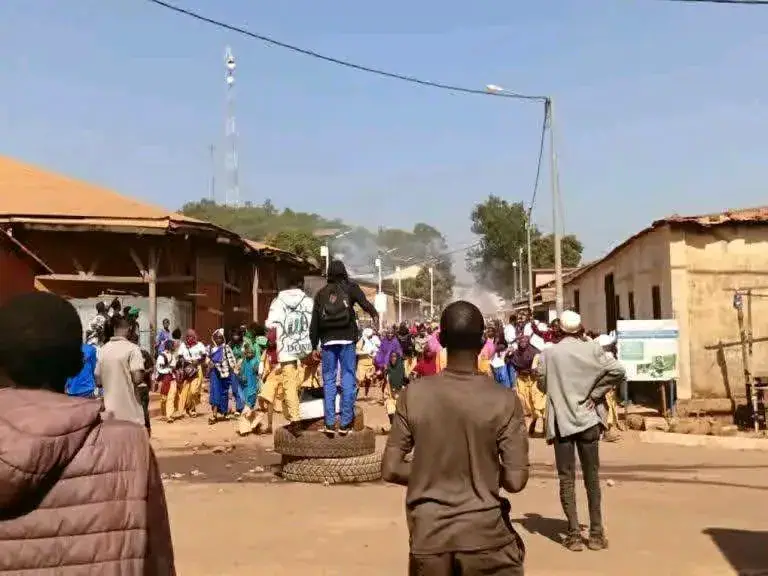
The recent interpellation of students found truant during school hours in Guinea has elicited mixed reactions from the civil society. This measure aims to combat truancy, but its implementation and effectiveness are being debated. Madani Diallo, coordinator of the Associations of Parents and Friends of Schools (APAE) in Manéyah, and Ibrahima Aminata Diallo, president of the National Coalition of Associations for Peace and Development, shared their views on this measure in an interview with Vision Guinee.
Madani Diallo described the interpellation of truant students as "a very good thing." He emphasized that education is crucial for a country's development and that parents, society, and the state must work together to ensure a child's success. Diallo suggested that a nationwide sensitization campaign is necessary to make this decision effective. He proposed that awareness programs be conducted in schools, families, mosques, and churches to educate everyone about the importance of attending school.
Madani Diallo also addressed the challenge of distinguishing between students who practice "école buissonnière" (truancy) and those who do not. He recommended that if a student is apprehended during school hours, the school administration and teachers should be held accountable. Diallo proposed that a system be put in place to track students who are absent without justification and that those responsible be sanctioned accordingly.
On the effectiveness of this measure in reducing truancy, Madani Diallo believes it can help, but not completely eliminate the problem. He noted that in Guinea, initiatives often start strong but lose momentum over time. Diallo emphasized the need for sustained awareness campaigns and collaboration between stakeholders to address the root causes of truancy.
Ibrahima Aminata Diallo, president of the National Coalition of Associations for Peace and Development, shared his perspective on the interpellation of truant students. He believes that these operations aim to combat delinquency and protect children from idleness, bad company, and the dangers of the streets. Diallo thinks that involving parents in the process, including convoking them to court, is essential to make them aware of their obligations.
Ibrahima Aminata Diallo also highlighted the importance of proper procedures when dealing with minors. He emphasized that the Convention on the Rights of the Child and the Guinean Child Code provide guidelines for interventions involving minors, emphasizing the need to respect their age and vulnerability. Diallo recommended that security forces involved in these operations be specialized units, such as OPROGEM, trained in protective rather than repressive approaches.
The debate on the interpellation of truant students highlights the complexities of addressing truancy in Guinea. While some stakeholders welcome the measure as a deterrent, others emphasize the need for a more comprehensive approach that involves awareness, community engagement, and support for students and families. The effectiveness of this measure will depend on its implementation, follow-up, and the involvement of all stakeholders.
Key points
- The Guinean government has initiated a process to interpellate students practicing "école buissonnière" as part of efforts to combat truancy and promote education.
- Stakeholders, including Madani Diallo and Ibrahima Aminata Diallo, have shared their perspectives on the measure, highlighting both its potential benefits and challenges.
- The effectiveness of the measure will depend on sustained awareness campaigns, community engagement, and proper implementation.