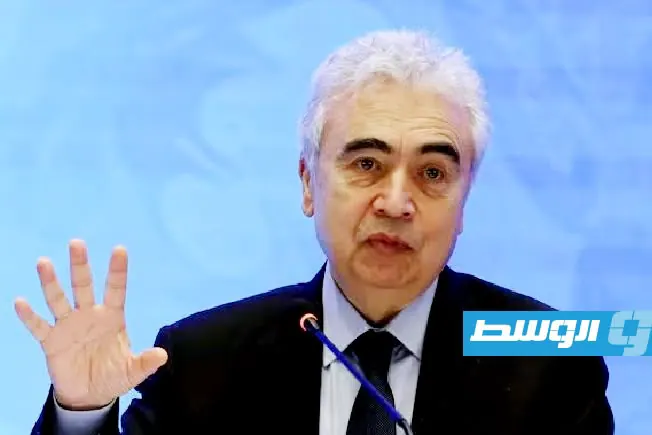
The International Energy Agency (IEA) may discuss tapping into strategic oil reserves to stabilize the market. IEA Executive Director Fatih Birol stated that member countries could discuss releasing additional quantities of oil from strategic reserves and placing them on the market in the future. Birol made these comments in Dublin before a meeting of European Union energy ministers. The IEA is closely monitoring the markets, particularly for products like diesel.
Birol declined to comment on proposals by French President Emmanuel Macron and others to release more strategic reserves in an attempt to lower oil prices. The IEA had previously lowered its forecast for global oil demand in 2026 due to the conflict between the US and Iran, as well as a sharp increase in fuel prices. The agency now expects global oil consumption to be 102.44 million barrels per day in 2026, down from 103.29 million barrels per day previously forecast.
The IEA's downward revision of its oil demand forecast was driven by concerns over the impact of the US-Iran conflict on the global economy. The agency also noted that high fuel prices, particularly for diesel, could affect demand. The IEA's forecast is closely watched by oil markets, as it can influence prices and investment decisions. The agency's comments on strategic reserves came as oil prices rose due to concerns over supply disruptions in the Middle East.
European Union energy ministers are meeting to discuss ways to mitigate the impact of high energy prices on consumers. The meeting comes as the region faces a challenging winter due to supply constraints and high demand. The IEA's Birol emphasized that the agency is monitoring the situation closely and will discuss possible actions with member countries if needed.
The IEA has a strategic reserve of oil that can be released in times of supply disruptions or high prices. The reserve is made up of contributions from member countries and can be used to stabilize the market. The agency has released oil from the reserve in the past, such as during Hurricane Katrina in 2005. The IEA's actions are closely watched by oil markets, as they can influence prices and sentiment.
Global oil demand is expected to be affected by various factors, including the ongoing conflict between the US and Iran. The conflict has led to concerns over supply disruptions and has driven up oil prices. The IEA's forecast takes into account these factors and provides a comprehensive view of the global oil market. The agency's analysis is widely followed by industry experts and policymakers.
The IEA's discussion on strategic reserves comes as oil prices remain volatile due to supply concerns. The agency's actions will be closely watched by oil markets, as they can influence prices and investment decisions. The IEA's goal is to promote energy security and stability, and its comments on strategic reserves reflect this objective.
Key points
- The International Energy Agency may discuss tapping into strategic oil reserves to stabilize the market.