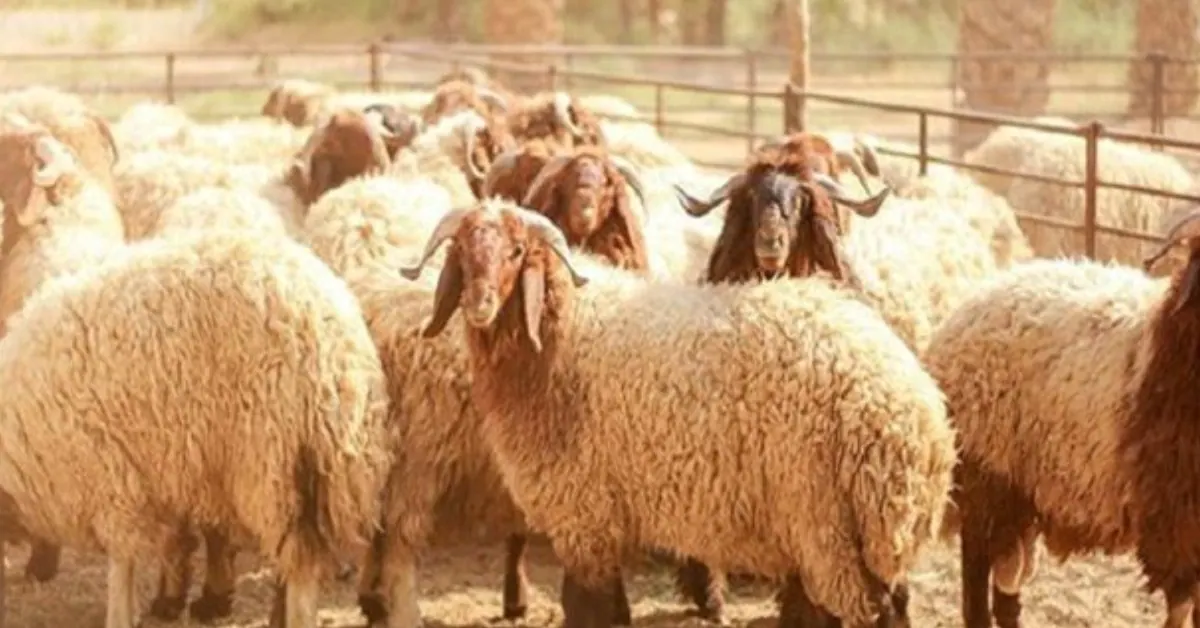
The Tunisian livestock sector is facing significant challenges, including climate change, drought, and high temperatures, which have impacted pasture productivity and feed supply for livestock. According to the head of the Tunisian National Union of Agriculture and Fishing, these factors have had a negative impact on the sector's performance in recent years. The union's efforts to address these challenges include promoting fodder crops, which are essential for the sector's sustainability.
The head of the Tunisian National Union of Agriculture and Fishing, Moez Zghdane, emphasized the importance of fodder crops in a recent statement. He noted that these crops are in short supply, affecting the sector's ability to provide adequate feed for livestock. Zghdane also highlighted the crucial role that the Food and Feedstuffs Office should play in providing subsidized feed, particularly barley and roughage.
In preparation for the upcoming Eid al-Adha celebrations, Zghdane expressed concerns about the availability of sacrificial animals. He stressed that the sacrificial animal system should not be treated as an emergency situation, but rather as a long-term issue that requires a comprehensive approach. A five- or six-year program is needed to strengthen the resilience of the livestock sector and mitigate the impact of climate change and economic factors.
The Tunisian National Union of Agriculture and Fishing has launched initiatives to support the livestock sector, including training programs for farmers. Recently, the union completed training sessions in the Sfax region, focusing on livestock breeding and management. These programs aim to enhance the skills and knowledge of farmers, enabling them to adapt to the challenges facing the sector.
Zghdane's comments highlight the need for a coordinated approach to address the challenges facing the livestock sector. The sector's sustainability is crucial for Tunisia's food security and rural development. The government and relevant stakeholders must work together to develop effective solutions, including support for fodder crops and subsidized feed.
Climate change and drought have had a devastating impact on Tunisia's agricultural sector, including the livestock industry. The country's farmers and breeders are struggling to cope with the effects of these environmental factors, which are affecting crop yields and livestock productivity. The Tunisian government has launched initiatives to support the agricultural sector, but more needs to be done to address the scale of the challenges.
The Tunisian National Union of Agriculture and Fishing will continue to play a vital role in promoting the interests of farmers and breeders. The union's efforts to raise awareness about the challenges facing the livestock sector and to develop solutions will be crucial in ensuring the sector's sustainability.
Key points
- The Tunisian livestock sector is struggling with climate change, drought, and high temperatures.