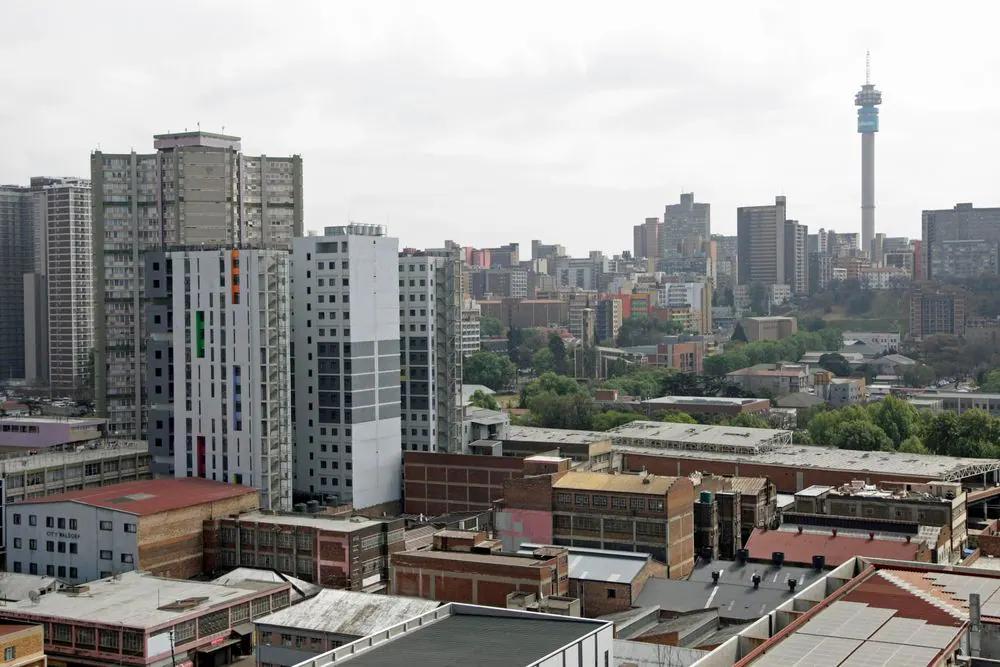
The City of Johannesburg's failure to invest in its infrastructure, enforce by-laws, and maintain basic services is exacerbating pressure on businesses and residents. Stakeholders warn that the city's deteriorating finances are increasingly being felt on the ground. Auditor-General findings and stakeholder accounts point to worsening infrastructure, weak maintenance, poor by-law enforcement, and growing financial pressure in Johannesburg.
The Auditor-General's consolidated report on local government audit outcomes for the 2024/25 financial year highlights declining infrastructure investment, weak maintenance, and mounting financial pressures within the metro and its municipal entities. The City of Johannesburg achieved only 36% of its planned targets for infrastructure development and refurbishment, spending less than 10% of its R83.1 billion budget on capital investment.
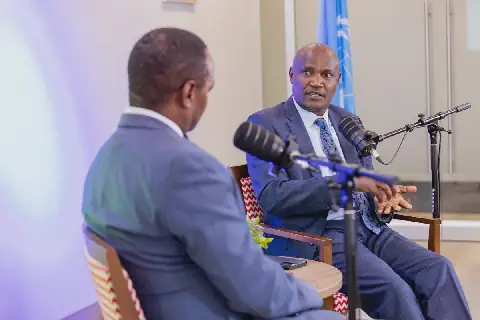
Richard Ntjana, CEO of the Randburg Chamber of Commerce and Industry, says the impact is being felt by businesses and residents due to the lack of by-law enforcement in commercial areas. Informal traders operate on pavements outside shops, selling products similar to those sold by retailers. Ntjana also notes that the city's entities struggle to provide basic services, citing multiple strikes at Pikitup and challenges at Joburg Water.
The Auditor-General's findings on Joburg Water reinforce concerns about the entity's failure to proactively maintain its water infrastructure, contributing to frequent pipe bursts and deteriorating network reliability. The report attributes the failures to inadequate maintenance planning, poor execution of planned maintenance, and insufficient oversight. This has led to increased unplanned and emergency repairs, escalating repair costs, and pressure on the entity's financial position.
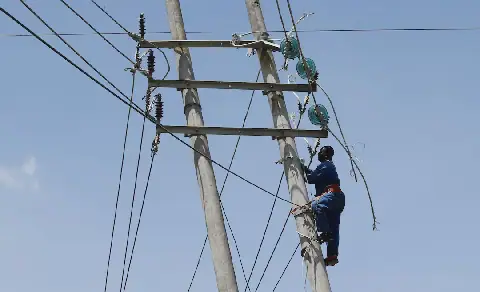
Lael Bethlehem, former City of Johannesburg director of economic development, says the city's financial position is worsened by a shift away from infrastructure investment towards operating expenditure. Bethlehem notes that the city ended the financial year in June 2026 with about 96% of its expenditure going towards operations and only 4% towards capital expenditure. This lack of investment in infrastructure is causing leaks and problems with transformers and water treatment plants.
Bethlehem also raises concerns about City Power, which has recorded losses for three consecutive years. The Auditor-General's report finds that City Power contributed R11.82bn to irregular expenditure over four years, while unauthorised expenditure under the administration amounted to R6.81bn. The city also overspent by R2.38bn despite adopting an unfunded budget, mainly due to higher-than-planned employee costs and finance costs.
Stakeholders, including Ntjana and Bethlehem, stress the need for a fundamental change in how the city manages its finances and core services. This includes a substantially new financial plan, honest leadership, rooting out corruption and organised crime, and a new approach to water and electricity provision. Councillor Yongama Zigebe notes that the city has undertaken interventions to deal with service delivery issues, but these efforts have not yet produced results at the required scale.
Key points
- Johannesburg's infrastructure under-spending and poor maintenance are deepening pressure on businesses and residents.
- The city's financial position has reached a critical point, with about R25bn owed to creditors.
- Stakeholders call for a fundamental change in how the city manages its finances and core services.