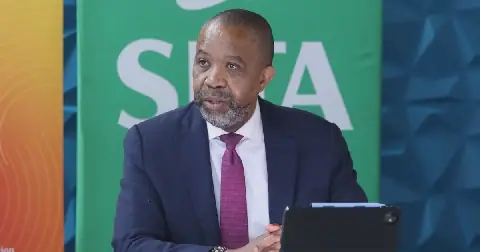
Intercape CEO has spoken out about the concerning state of affairs in South Africa, describing a pervasive "sick culture" that permeates every sphere of society. This statement comes as the country grapples with various challenges, including a heated taxi battle. The CEO's comments reflect growing concerns about the nation's social and economic well-being. South Africa has been experiencing a range of issues, from crime and corruption to economic inequality and social unrest.
The taxi industry in South Africa has been embroiled in a contentious battle, with various stakeholders vying for control and influence. This struggle has significant implications for the country's transportation sector and the economy as a whole. The Intercape CEO's remarks suggest that this conflict is symptomatic of a broader societal malaise. The issue has been ongoing for some time, with different groups competing for market share and influence.
The prevalence of crime in South Africa remains a pressing concern, with recent incidents highlighting the severity of the problem. In Ekurhuleni, Gauteng, nine women were murdered, and police have taken three persons of interest in for questioning. Acting Police Minister Firoz Cachalia has cautioned that investigators have not yet conclusively established that a serial killer is responsible. The incident has sparked widespread outrage and concern about public safety.
The South African government has been working to address various societal challenges, including crime and corruption. President Cyril Ramaphosa has vowed to use surveillance technology to combat crime, including in the Ekurhuleni killings. The government has also implemented new laws aimed at promoting accountability and transparency in the public sector. These efforts aim to restore public trust and confidence in institutions.
The Intercape CEO's comments about a "sick culture" in South Africa reflect growing concerns about the nation's social cohesion and values. The issue is complex and multifaceted, involving factors such as poverty, inequality, and lack of access to education and opportunities. Addressing these underlying issues will be crucial to creating a more equitable and just society. The CEO's statement has sparked a national conversation about the need for collective action.
South Africa's economic challenges, including high unemployment and inequality, have contributed to the country's social unrest. The taxi industry conflict is also linked to broader economic issues, including competition for resources and market share. The Intercape CEO's remarks highlight the need for a comprehensive approach to addressing these challenges, involving government, business, and civil society.
The "sick culture" in South Africa, as described by the Intercape CEO, is a pressing concern that requires immediate attention and action. Addressing this issue will involve a sustained effort to promote social cohesion, address economic inequality, and foster a culture of accountability and transparency. The nation's future prosperity and stability depend on its ability to overcome these challenges and create a more equitable and just society.
Key points
- Intercape CEO criticizes South Africa's societal issues, citing a pervasive "sick culture".