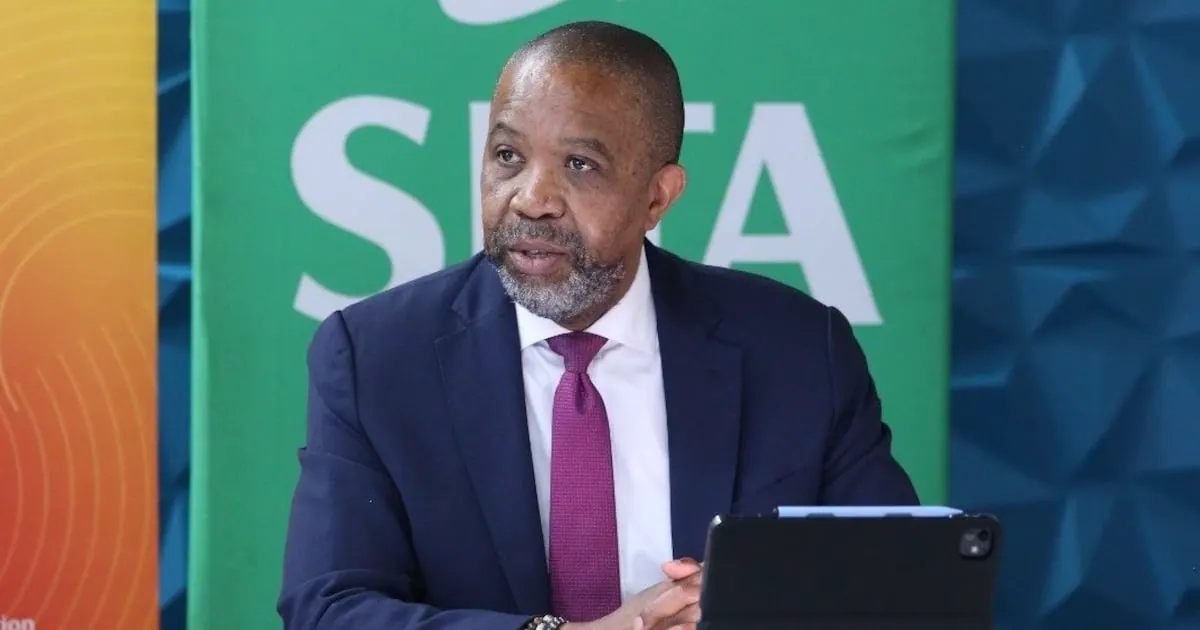
The State Information Technology Agency (Sita) is gearing up for its annual GovTech conference in Durban, amid efforts to restore confidence in the institution. Newly appointed Managing Director Magatho Mello, a veteran of the sector, is working to address the agency's negative public standing and low client satisfaction. Mello took over as MD in April, following a report by Communications Minister Solly Malatsi detailing administrative, governance, and procurement failures at Sita from 2020-2025.
Sita has historically been judged by its failures, requiring executive leadership to promote operational successes and rebuild trust. Mello, previously a senior leader at Telkom, Vodacom, IBM, SABS, and MTN, sees GovTech as an opportunity to engage customers on various issues. A key focus is phasing out old technologies and systems, with consulting firm Accenture highlighting the use of outdated software and computers as a major vulnerability for the state's digital security.
Mello emphasizes that digital transformation requires sun-setting outdated systems instead of layering complexity. He notes that creating platforms that can service multiple departments can reduce duplication and costs. A major structural shift under Mello is moving away from isolated, bespoke "agency transactions" toward shared, reusable government platforms. This involves contracting for multitenancy to serve multiple entities of government.
Sita plans to streamline its bureaucratic tender processes, which often lead to startups and local innovators abandoning government work. Mello clarified that the data sovereignty agenda does not imply technological isolationism or barring global tech firms. Rather, it aims to establish national authority over data architectures, subject to laws and regulations of the country where data is collected, stored, or processed.
Data sovereignty requires clear definitions to measure consistency across public cloud, hybrid architectures, and local hosting. Mello does not see sovereignty as excluding multinational or foreign companies but rather finding a balance between managing data and platforms versus services provided by hyperscalers or global companies.
The new Sita head says the agency's purpose is to orchestrate discussions and enable delivery rather than dictate rigid doctrines. Mello emphasized that Sita exists to enable government, with an annual billing revenue of R7.4bn. Despite this, the agency's negative reputation affects employee morale, which Mello aims to address by rebuilding trust and promoting operational successes.
Under Mello's leadership, Sita is working to engage customers and stakeholders on its strategic plans. The agency's GovTech conference provides a platform to discuss issues, including digital transformation, data sovereignty, and the use of outdated technologies. By addressing these challenges, Mello aims to restore confidence in Sita as a credible technology adviser and solutions implementer.
Key points
- Sita aims to phase out old technologies and systems to address digital security vulnerabilities.
- The agency plans to streamline its tender processes to support startups and local innovators.
- Mello emphasizes that data sovereignty does not imply technological isolationism but rather national authority over data architectures.