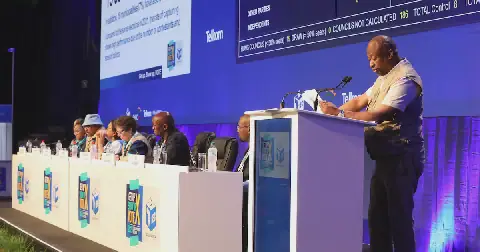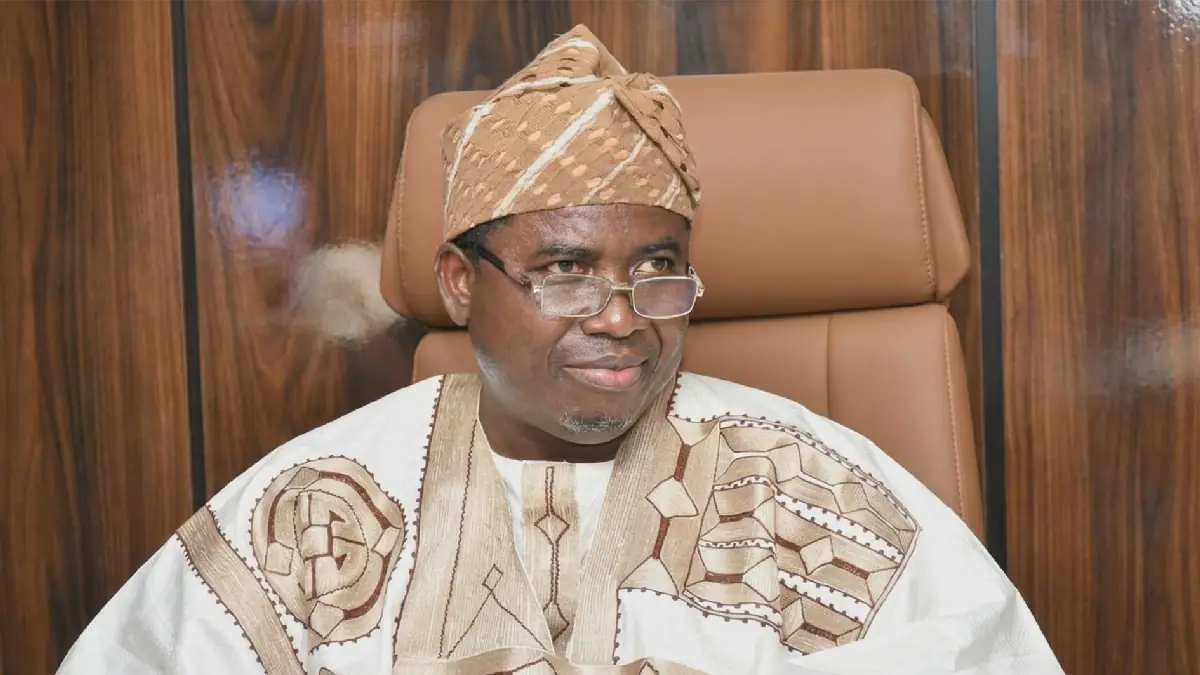
The Independent National Electoral Commission (INEC) in Nigeria is under scrutiny with 73 days left before the 2027 general elections, over its compliance with the Electoral Act 2026. Stakeholders have raised concerns about INEC's handling of the preliminary voters' register and candidate nominations. The commission has been faulted for allegedly failing to meet statutory obligations while taking political parties and candidates to court over missed deadlines. This has raised questions about INEC's neutrality and institutional accountability.
INEC has removed over 1.27 million invalid voter records from the national register after identifying about 1.5 million questionable entries. The controversy has brought attention to the submission of political parties' membership registers and nomination of candidates, as well as the publication of the preliminary voters' register. INEC has defended its position on party membership registers, citing a Supreme Court decision in September 2026. However, stakeholders insist that the commission must demonstrate consistency, transparency, and impartiality in interpreting and applying the law.
One of the alleged breaches is INEC's failure to publish the preliminary voters' register on its official website within the timeline prescribed by Section 19(1) of the Electoral Act 2026. The provision requires INEC to make the preliminary register available for public scrutiny by displaying it at registration areas and simultaneously publishing it on its website. Although INEC conducted the physical display of the register between October 9 and 15, it failed to publish the document online within the stipulated period.
Stakeholders argue that INEC owes Nigerians an explanation for the delay and the legal basis for its interpretation. Other provisions attracting attention include sections 29, 31, 32, 82, 84, and 98, which address different aspects of voter-register transparency, candidate nomination, party primaries, and election campaigns. Section 31 deals with the withdrawal and substitution of candidates up to 90 days before an election, while Section 32 provides for the publication of the final list of candidates within the 60-day window.
Lawyers have faulted INEC's selective enforcement of electoral laws. Omale Ajonye, a lawyer and principal partner at O. M Ajonye and Company, Legal Wise Chambers, Makurdi, said the allegations surrounding INEC's compliance with the Electoral Act raised serious concerns about institutional accountability and the credibility of Nigeria's electoral process. He argued that it was fundamentally inconsistent for INEC to insist on strict compliance with statutory deadlines by political parties and candidates while facing allegations of failing to fulfil its own statutory obligations.
Dr. Kunle Olajide, erstwhile National Secretary of the Yoruba Council of Elders, stressed that INEC must recognize that public confidence depends not only on its independence but also on its willingness to subject itself to the same legal standards it imposes on others. He maintained that INEC was an umpire and not the owner of the electoral process, stressing that its authority derived from the Constitution and the Electoral Act, while the mandate belonged to the people.
However, Lanre Suraj, Chairman of the Human and Environmental Development Agenda (HEDA), cautioned against holding INEC responsible for all the challenges confronting the electoral process without examining the conduct of politicians and political parties. He argued that the activities of political actors often make INEC's responsibilities more difficult and generate controversies capable of undermining public confidence in the electoral process.
Key points
- INEC faces criticism for alleged breaches of the Electoral Act.
- The commission has removed over 1.27 million invalid voter records from the national register.
- Stakeholders have raised concerns about INEC's neutrality and institutional accountability.