With the 2027 general elections approaching, Nigeria's Independent National Electoral Commission (INEC) and the Nigerian Guild of Editors (NGE) are addressing concerns over public trust in the electoral process. A recent workshop in Abuja brought together stakeholders to discuss the challenges facing Nigeria's democracy, including misinformation, political tension, and declining institutional trust. The event was an opportunity for INEC and the media to acknowledge their roles in shaping the credibility of elections. The 2027 elections are only 100 days away, and both institutions recognize the need for a partnership to restore and sustain public confidence.
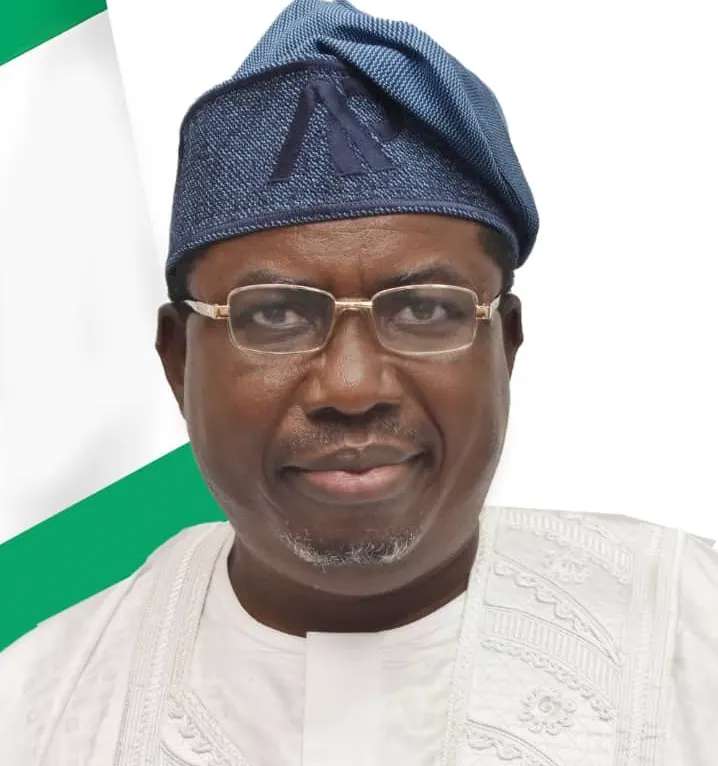
INEC Chairman, Prof. Joash O. Amupitan, emphasized that electoral integrity cannot be secured by the commission alone, but requires a partnership among electoral institutions, the media, and civil society. He noted that public trust is the ultimate arbiter of electoral integrity and cannot be constructed in isolation. Amupitan's message is significant, given Nigeria's experience with elections marred by operational difficulties, disputed results, and poor communication. The 2023 general election is a reference point, where technology was expected to improve transparency but was undermined by technical and operational issues.
The 2023 general election saw the introduction of technology, including the Bimodal Voter Accreditation System (BVAS) and the INEC Result Viewing Portal (IReV). However, technical and operational difficulties, particularly with result transmission and publication, became major sources of controversy. INEC is now seeking to address weaknesses identified in previous exercises. According to Amupitan, the commission has introduced improvements to BVAS, acquired 57,000 new devices, strengthened result-management systems, and deployed measures aimed at improving cybersecurity.
INEC has also emphasized online voter registration and printable voter cards. The commission recorded over 10 million new voter registrations during the Continuous Voter Registration exercise. The national register now contains over 103 million voters following the completion of its biometric verification and clean-up processes. These figures are impressive, but the real test is whether Nigerians believe that the system will work when it matters most.
The relationship between INEC and the media is critical in restoring public trust. The media plays a significant role in shaping public perception of the electoral process. INEC and the media must work together to ensure that accurate information is disseminated to the public. This partnership is essential in addressing concerns over electoral integrity and promoting transparency.
The workshop organized by NGE and INEC was a step towards building a partnership between the two institutions. The event provided a platform for stakeholders to discuss the challenges facing Nigeria's democracy and potential solutions. Both institutions recognize that restoring public trust in the electoral process will require a sustained effort.
As Nigeria prepares for the 2027 general elections, INEC and the media must work together to promote transparency and credibility. The commission's efforts to address weaknesses identified in previous exercises and its emphasis on online voter registration and printable voter cards are steps in the right direction. However, the real test of public trust will come when the elections take place.
Key points
- INEC and the Nigerian Guild of Editors are working together to restore public trust in the electoral process ahead of the 2027 general elections.
- The 2023 general election was marred by technical and operational difficulties that undermined public confidence.
- INEC has introduced improvements to its systems, including BVAS and result-management systems, to address weaknesses identified in previous exercises.