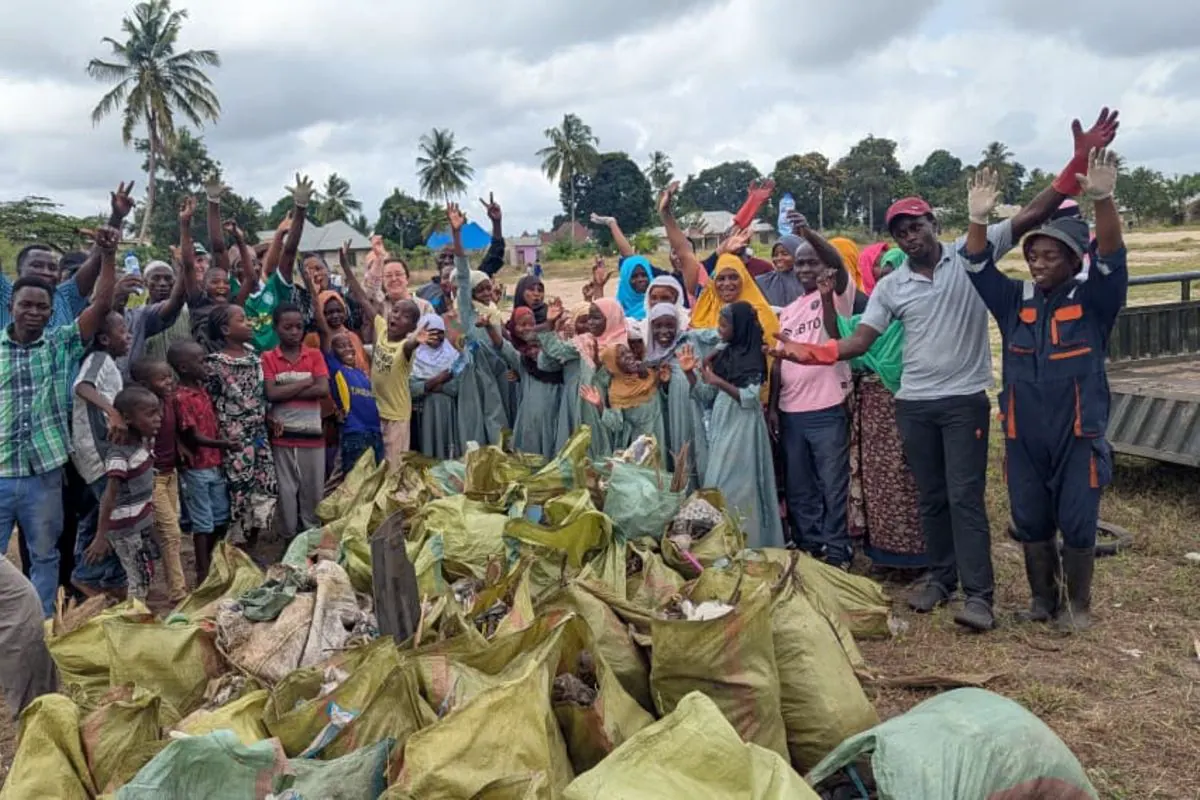
In a recent initiative, children in Vikindu Ward, Pwani Region, Tanzania, joined adults in a community clean-up effort, collecting rubbish, clearing drainage channels, and learning about the importance of environmental cleanliness. This practice challenges the common instinct to keep children away from such activities, but the goal is to teach them how to participate safely while understanding the significance of keeping their surroundings clean. The clean-up effort is part of a broader initiative to prepare for the 2026 Vuli rains, which are forecasted to be normal to above-normal due to strong El Niño conditions.
The Environmental Health Officer for Vikindu Ward, Helen Ghati Marwa, emphasized that the clean-up effort is not a one-time event, but rather a continuous exercise that will take place every Saturday. The goal is to build environmental habits in children, who can then carry these lessons into their homes and communities. Marwa noted that plastic waste is a significant concern, as it can block drainage channels and restrict the flow of water. The clean-up effort has extended across Vikindu village, Picha Ndege, and Kisemvule, where the Children's Eco Village is located.
The Children's Eco Village in Kisemvule is playing a crucial role in environmental education, with girls participating in a Friday Eco Club that combines environmental knowledge with practical skills. Emma Cooper, Lead for Climate Action & Adaptation at Islamic Help, stated that the girls learn science, practical skills, and upcycling skills, as well as how to grow crops without synthetic fertilizers or pesticides and make compost. The clean-up effort provides an opportunity for the children to put these lessons into practice.
For the children, the experience has been eye-opening. Nine-year-old Agesta Makame stated that she has changed the way she thinks about cleanliness, understanding that it is essential to keep the environment clean to prevent diseases like cholera. Shamsa Ali, also nine years old, believes that environmental education should begin everywhere children spend time, including homes, schools, mosques, and churches.
Seven-year-old Salim Salim has also changed his behavior, realizing that throwing rubbish away carelessly can harm the environment. He used to throw rubbish everywhere without knowing its consequences but now understands the importance of proper waste disposal. Ten-year-old Alizana Jingu emphasized that dirty water and rubbish can cause diseases and injuries, and advises other children to stay away from dangerous waste.
The initiative has also highlighted the importance of involving girls in environmental education. Marwa noted that girls will grow up to be caregivers and mothers, and by teaching them about environmental cleanliness, they can spread these values throughout their communities. The emphasis on girls' education is a deliberate effort to empower them to make a positive impact on their communities.
As the community continues to work together to maintain environmental cleanliness, the children are becoming key players in promoting sustainable practices. By learning about environmental cleanliness and participating in clean-up efforts, they are developing essential skills and values that will benefit their community for years to come.
Key points
- The initiative aims to build environmental habits in children, who can then carry these lessons into their homes and communities.
- The clean-up effort is part of a broader initiative to prepare for the 2026 Vuli rains, which are forecasted to be normal to above-normal due to strong El Niño conditions.
- The emphasis on girls' education is a deliberate effort to empower them to make a positive impact on their communities.