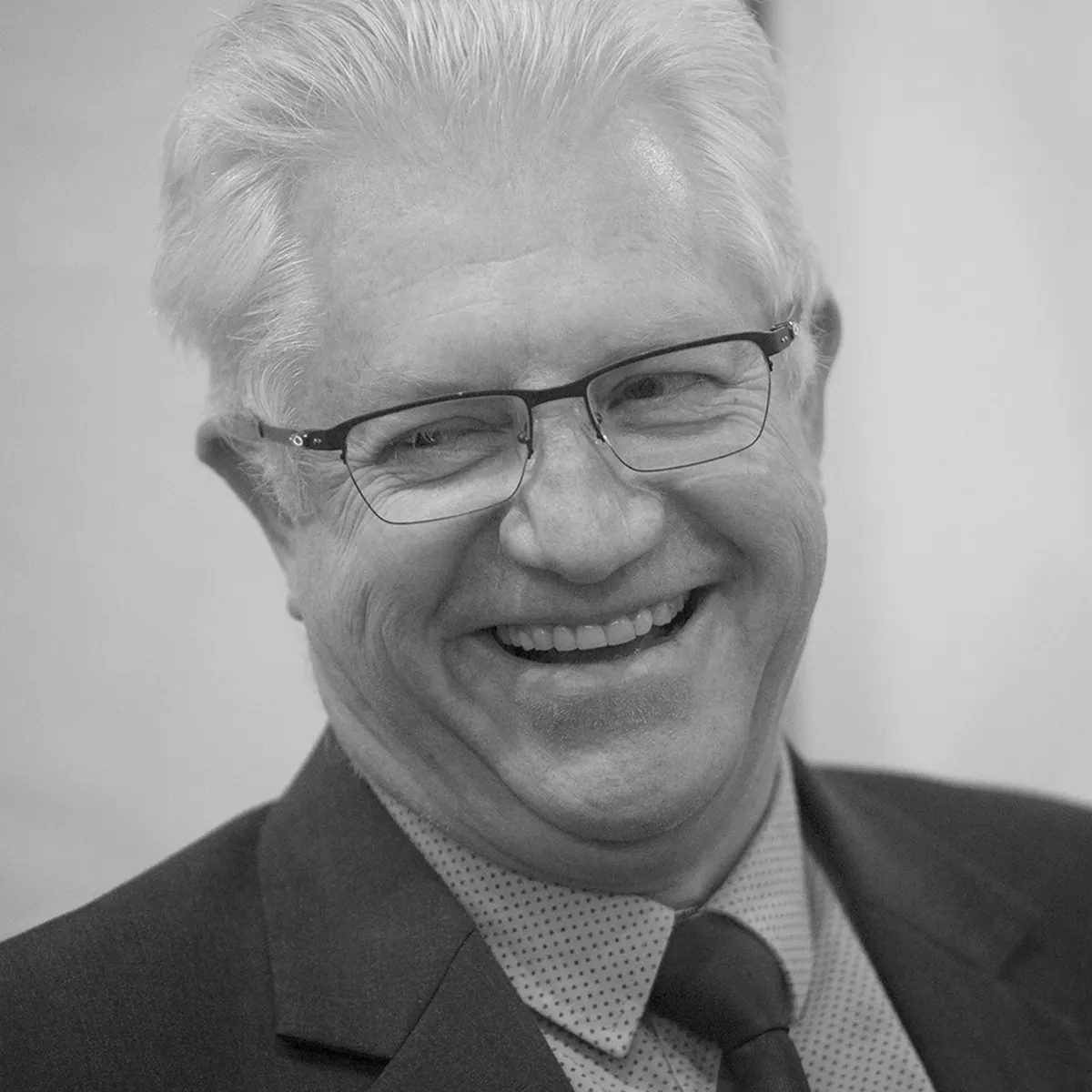
South Africans will head to the ballot box in November to decide who governs their cities and towns. This election has significant consequences for daily life, as local government is responsible for providing essential services such as clean water, waste collection, and road maintenance. The outcome will directly impact the reality in which citizens live for the next five years. According to Western Cape Premier Alan Winde, the choice is starkly binary: vote for governments that will pull municipalities back from the brink or continue down the path of chaos and corruption.
Local government plays a crucial role in improving daily life, with the power to immediately deliver essential services. The municipal level of government has the most significant impact on citizens' daily realities. Winde, who is not a candidate in this election, emphasized that he cares deeply about the country's shared future and wants to ensure that emerging local governments are capable and willing to work with the Western Cape government to deliver excellent services. As a provincial government leader, he has an interest in collaborating with municipalities to achieve this goal.
The difference between a functional and dysfunctional local government is marked. In some towns, stability and good governance prevail, characterized by clean audits, well-spent public money, and well-maintained infrastructure. These municipalities can work with the provincial government to achieve great things, such as the recent opening of a solar power plant in the Hessequa municipality. The plant will make the town of Riversdale largely independent of the national energy grid, providing cheaper energy for residents and creating a better investment and job creation environment.
In contrast, many towns in South Africa are plagued by chaos and corruption. These municipalities often reject offers of help or expertise to fix their problems, leading to shocking stories of rivers of sewage, mountains of refuse, and shattered roads. The town of Knysna is a prime example, having lurched from one crisis to another. Despite the Western Cape government's efforts to intervene and offer support, the town is on the brink of a complete breakdown of service delivery.
Recently, the Knysna mayor, municipal manager, and chief financial officer were arrested on corruption charges. This development provides residents with an opportunity to save their town from collapse. On the same day as the arrests, Ratings Afrika held its annual awards ceremony, recognizing the top-rated municipalities in South Africa. The Western Cape municipalities that received recognition were Drakenstein, Hessequa, Overstrand, Saldanha Bay, and Swartland. Cape Town was also classified as the only financially stable metro in the country.
The choice facing South Africans in this election is binary: vote for governments that will pull municipalities back from the brink or continue down the path of chaos and corruption. Winde encouraged citizens to participate in the democracy and vote for people who are capable of governing selflessly, focusing on delivery rather than populist grandstanding. The consequences of mistakes made in this election will last for five years, and it will take longer to fix problems than to create them.
As the election approaches, citizens are urged to make informed decisions about their local governments. With more parties on the ballot than ever before, it is essential to consider the track record and capabilities of each party. By voting for governments that work, citizens can ensure that their municipalities deliver essential services and improve their daily lives. Ultimately, the outcome of this election will shape the reality in which South Africans live for the next five years.
Key points
- The local government election will decide the fate of municipalities and the delivery of essential services such as clean water, waste collection, and road maintenance.
- The Western Cape government has offered support to struggling municipalities, but some have rejected offers of help or expertise.
- The choice in this election is binary: vote for governments that will pull municipalities back from the brink or continue down the path of chaos and corruption.