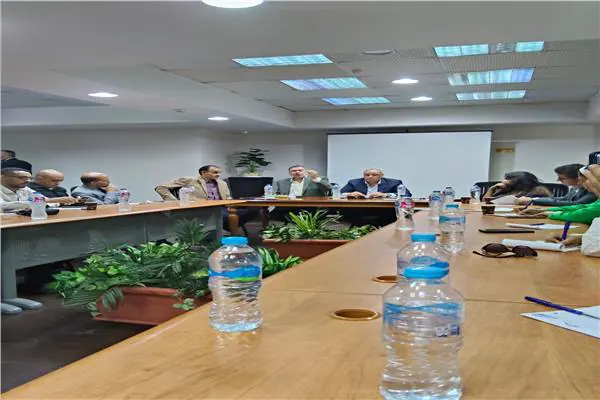
Egypt's tourism sector is taking steps to regulate the Hajj process, with a focus on protecting citizens from unauthorized advertisements and intermediaries. According to Walid Khalil, head of the committee to combat illegal entities in the Egyptian Chamber of Travel and Tourism Companies, the recent Hajj application period saw a significant turnout, with around 145,530 citizens applying for the tourist Hajj. This number demonstrates the public's trust in the Hajj tourism system.
Khalil emphasized that the controls governing Hajj apply to tourism companies and citizens alike, but not to unregistered intermediaries and brokers. He warned citizens against dealing with these unauthorized parties, highlighting the risks they pose to both citizens and companies. The issue with intermediaries, Khalil explained, lies in their lack of oversight and tendency to work with multiple companies to maximize profits, potentially harming the interests of citizens and companies.
To address these concerns, Egyptian authorities are increasing oversight of Hajj advertisements on social media platforms, in coordination with the Ministry of Tourism and Antiquities and relevant agencies. The authorities are monitoring for non-compliant advertisements and taking immediate action against them. Additionally, tourism companies have been advised to formalize their dealings with bloggers and marketers, ensuring that their interactions are transparent and officially documented.
Khalil stressed that bloggers and marketers are prohibited from acting as intermediaries or brokers for tourist Hajj services. Companies have also been warned against using ambiguous advertisements that fail to clearly disclose the organizing company or program details. By taking these measures, the authorities aim to protect citizens from misleading advertisements and unlicensed intermediaries.
The Egyptian tourism sector is committed to providing high-quality services to citizens, while preventing unauthorized entities from exploiting them. Khalil's committee is working closely with the Ministry of Tourism and Antiquities and other relevant agencies to achieve this goal. The sector's efforts focus on promoting transparency and accountability in Hajj tourism.
The recent Hajj application period has demonstrated the effectiveness of Egypt's tourism system, with a large number of citizens participating. The authorities' efforts to regulate the sector and protect citizens from unauthorized advertisements and intermediaries are ongoing. By maintaining a strict oversight regime, the sector aims to ensure a smooth and secure Hajj experience for all participants.
The Egyptian government is taking a proactive approach to addressing the challenges associated with Hajj tourism, with a focus on promoting transparency and accountability. The authorities' efforts to regulate the sector and protect citizens from unauthorized advertisements and intermediaries are expected to continue, ensuring a safe and enjoyable experience for all participants.
Key points
- Egypt's tourism authorities are increasing oversight of Hajj advertisements on social media platforms.
- The authorities are working to protect citizens from unauthorized advertisements and intermediaries.
- Around 145,530 citizens applied for the tourist Hajj during the recent application period.