The United States Agency for International Development (USAID), once the world's largest humanitarian donor, was dissolved during US President Donald Trump's administration, significantly altering the foreign aid landscape. Established in the early 1960s by US President John F. Kennedy and Congress, USAID was created to provide assistance to countries in need, with supporters arguing that it served as a crucial tool for soft power diplomacy. The agency's programmes were credited with preventing 91 million deaths, including 30 million children under the age of five, in the first two decades of the century.
The dissolution of USAID and subsequent cuts to foreign aid have had devastating effects on communities worldwide. Reports from The Associated Press have documented widespread severe hunger, shortages of lifesaving medicine, and spikes in child marriage, kidnapping, and trafficking of children. Experts warn that the true impact of these cuts may not be measurable for years, as issues like malnutrition and untreated diseases take time to manifest. Furthermore, the elimination of jobs for frontline workers who collected mortality data has made it difficult to assess the full extent of the damage.
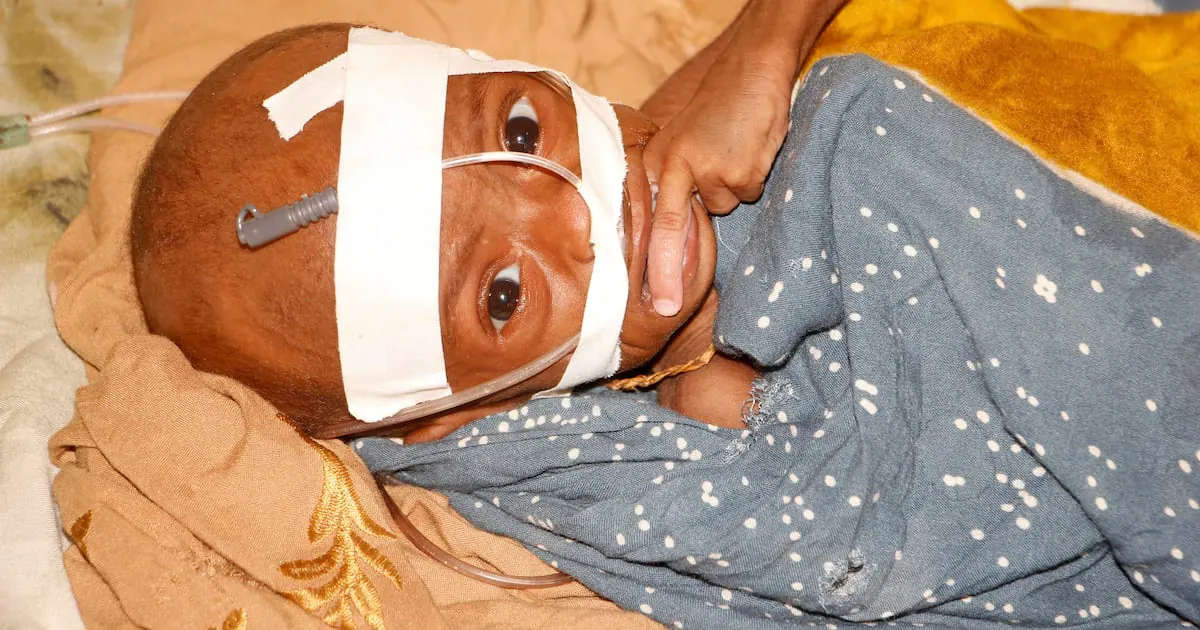
Despite the US government's insistence that no one has died as a result of the dissolution of USAID, The Associated Press has documented deaths linked to the funding cuts. In Nepal, cuts to programmes ensuring proper nutrition and prenatal care for impoverished pregnant women have led to increased mortality rates for babies and expectant mothers. Similarly, children in Myanmar, Nigeria, and Somalia have died following cuts to food rations and nutrition programmes. The Gates Foundation has predicted that 2025 will be the first year of this century where child deaths will increase due to global cuts to foreign aid.
The US state department has defended its decision to dissolve USAID, stating that the Trump administration has reinvigorated its assistance programmes to focus on efficiency, effectiveness, and partnership. The department also noted that the US spends more on health and humanitarian assistance than any other country, adding that other countries need to contribute more and share the burden. The new foreign aid strategy under the Trump administration is more limited and targeted towards initiatives that further US interests.
Under the Trump administration's new foreign aid strategy, health aid is increasingly being channelled through bilateral agreements with foreign countries, bypassing non-governmental organisations (NGOs). This approach involves providing funds directly to foreign governments in exchange for concessions to the US, such as access to a country's health data. While the US claims this model is more efficient, some countries have expressed concerns, particularly regarding the privacy of their citizens' medical records.
The cuts to foreign aid have also affected the global effort to prevent the spread of diseases that could threaten American lives. USAID programmes were instrumental in providing stability in foreign countries that could otherwise pose a threat to US security. The agency's dissolution has left a significant gap in humanitarian assistance, with many countries relying on other donors to fill the void. The long-term consequences of these cuts remain to be seen.
As the global community continues to grapple with the effects of US foreign aid cuts, it remains to be seen how the situation will evolve in the coming years. The US government's decision to prioritize efficiency and partnership in its assistance programmes has raised questions about the future of humanitarian aid and its role in promoting global stability.
Key points
- US foreign aid cuts have led to increased mortality rates, particularly among vulnerable populations such as children and pregnant women.
- The Trump administration's new foreign aid strategy prioritizes efficiency, effectiveness, and partnership, with a focus on initiatives that further US interests.
- The dissolution of USAID has left a significant gap in humanitarian assistance, with many countries relying on other donors to fill the void.