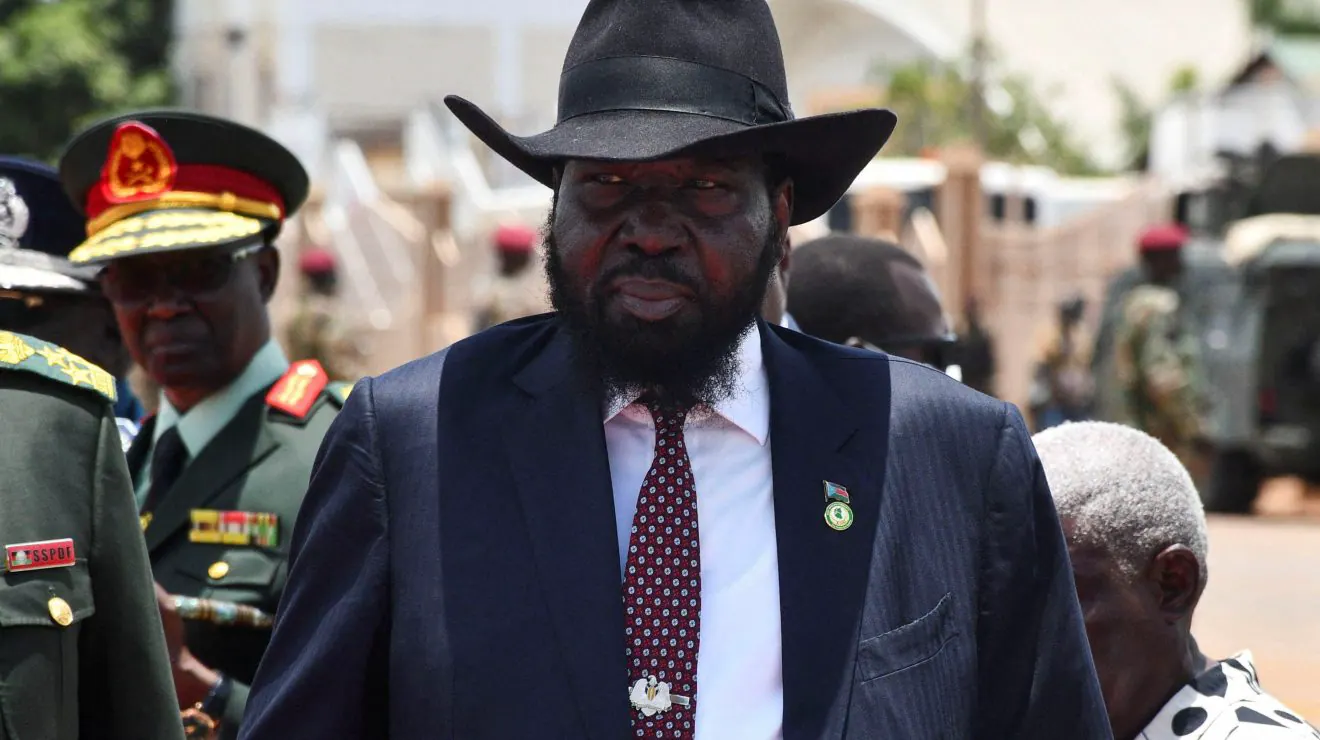
South Sudan President Salva Kiir has signed amendments to the country's election law, paving the way for general elections scheduled for December 22. The changes remove requirements that linked elections to the completion of a permanent constitution and a national census. This development marks another major milestone in preparations for the vote, according to Kiir's office. The amendments aim to align the election law with the transitional constitution.
The South Sudan Opposition Alliance, a coalition of opposition parties, has rejected the changes, citing a lack of adequate consultation among parties to the 2018 peace agreement. The coalition's concerns come as Kiir's longtime rival, Riek Machar, faces trial on charges including treason and murder. Machar, who leads the main opposition SPLM-IO, has been under house arrest since March 2025 and denies the charges against him.
The amended law provides for the incumbent executive leadership to remain in office with full constitutional powers through the election period. The legislation also stipulates that the first vice president and other vice presidents must leave office within three months before election day. Additionally, the law reduces the National Legislative Assembly to 270 members from 650 and state assemblies to 58 members from 100.
Presidential affairs minister Africano Mande Gedima stated that the amendments were intended to align the election law with the transitional constitution. He noted that the changes aimed to remove provisions that had made the election contingent on completing a permanent constitution and a national census. The move is seen as a critical step towards holding South Sudan's first elections since independence in 2011.
Despite progress on election preparations, voter registration has not yet begun. Edmund Yakani, executive director of the Community Empowerment for Progress Organisation, has urged leaders to settle their differences peacefully. Yakani expressed concerns that unresolved political differences could lead to violence and appealed for non-violent means of conflict resolution.
South Sudan's transitional period was established under a 2018 peace agreement, which followed years of conflict. Election preparations have been repeatedly delayed due to slow progress on key benchmarks, including drafting a permanent constitution and conducting a census. The country is now entering a critical phase of election preparations, with the December 22 vote seen as a crucial test of its stability.
The changes to the election law come amid concerns about the readiness of the electoral process. Last week, Kiir replaced the head of the elections commission without giving any reason. The move has raised questions about the impartiality and effectiveness of the commission in managing the upcoming elections. Key stakeholders will be watching closely to ensure that the vote is free, fair, and transparent.
Key points
- South Sudan's President Salva Kiir signs election law changes to pave way for December 22 vote.
- The changes remove requirements for a permanent constitution and national census.
- The opposition coalition rejects the changes, citing a lack of consultation.