Residents of Lagos, Nigeria have been experiencing power supply shortages for about three weeks, with many parts of the state adapting to low electricity supply since the second week of October. Ikeja Electric, a major power distribution company in Lagos, has attributed the reduced supply of electricity to a "shortfall in the amount of power currently allocated to our network from the national grid." This explanation, while accurate, only scratches the surface of a more complex systemic problem.
The power sector in Nigeria was privatized under the Goodluck Jonathan administration, with power generation and distribution transferred to private entities, while the government retained transmission duties under the Transmission Company of Nigeria (TCN) and the Nigerian Independent System Operator (NISO). The TCN now operates as the Transmission Service Provider (TSP), managing physical infrastructure, while NISO handles system operations, market administration, and grid dispatch. This framework involves generating companies (GenCos) supplying power to the grid, which is then transmitted to distribution companies (DisCos) and finally to consumers.
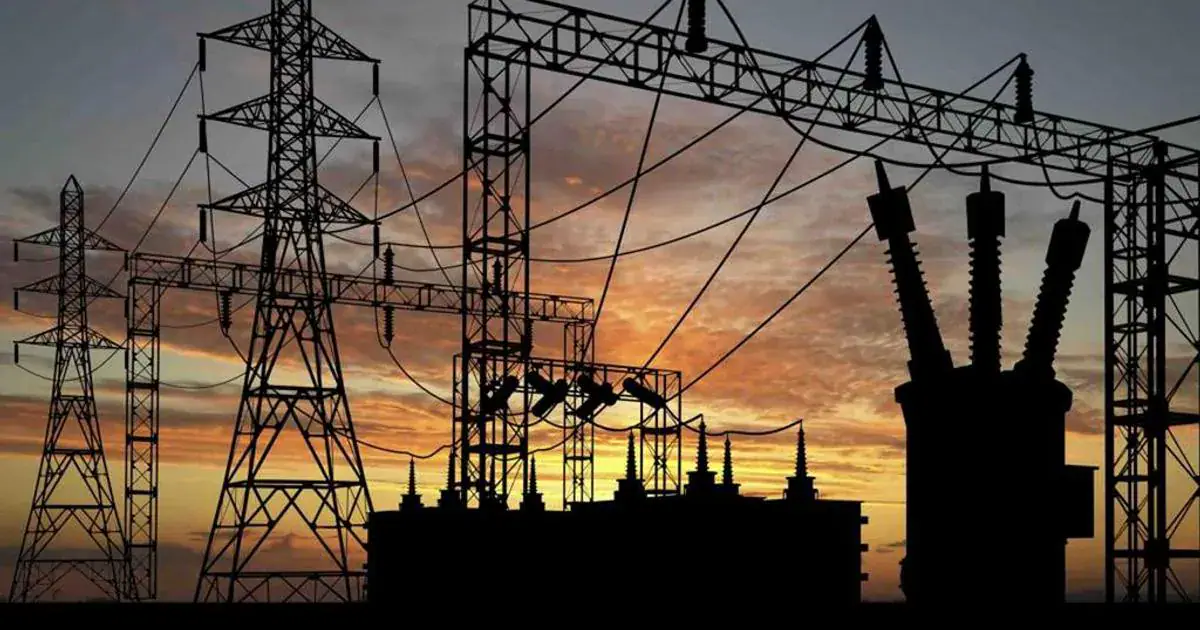
For Nigeria to enjoy a fairly steady power supply, generation, transmission, and distribution must be at maximal capacity. However, this has never been the case. The national grid, which is over 50 years old, has experienced breakdowns, leading to widespread blackouts. Former Minister of Power, Adebayo Adelabu, acknowledged that the transmission infrastructure is too old to function optimally, with weak transmission lines, falling towers, and old substations and transformers.
The government has made efforts to improve transmission infrastructure, including new substations and repaired transmission lines. However, problems persist, with at least five cases of transmission line trippings reported between September and October. Adelabu recognized that these problems require a total revamp of the whole system, rather than piecemeal replacements and fixes. He emphasized that the grid requires significant investment to maintain and prevent frequent disturbances.
On the same day Ikeja Electric attributed the power shortage to a grid shortfall, NISO's data showed that Nigeria's electricity generation had dipped massively from 3,840 megawatts (MW) to 476.70MW. This sharp drop in power generation can be attributed to multiple power-generating plants underperforming, with some, such as Egbin, Jebba, Shiroro, and Kainji, recording zero generation. Insufficient gas production or availability for domestic power generation is a major cause of GenCos' underperformance.
Many of Nigeria's grid-connected thermal plants rely on natural gas, and when gas supplies fall short, plants cannot operate at full capacity. Thermal power stations produce about 70% of the electricity supplied through the national grid, while hydroelectric plants produce the rest. Nigeria has a grid-installed capacity of about 13,000MW, but actual generation has been significantly lower, with roughly 4,500MW generated over the past two years.
The power generation shortfall has significant implications for the country, with gas deliveries to power plants falling to 43% of the required volume in February. The shortage was tied to mounting debt from government subsidies, which GenCos said had risen to N6 trillion. A large percentage of this debt is owed to entities supplying gas to gas-fired power plants. The issue highlights the need for a comprehensive solution to Nigeria's power challenges.
Key points
- Ikeja Electric cites low power supply from national grid for poor electricity supply in Lagos.
- Nigeria's power sector challenges run deeper than grid shortfall, with issues in generation, transmission, and distribution.
- Ageing national grid and insufficient gas production exacerbate power generation shortfall.