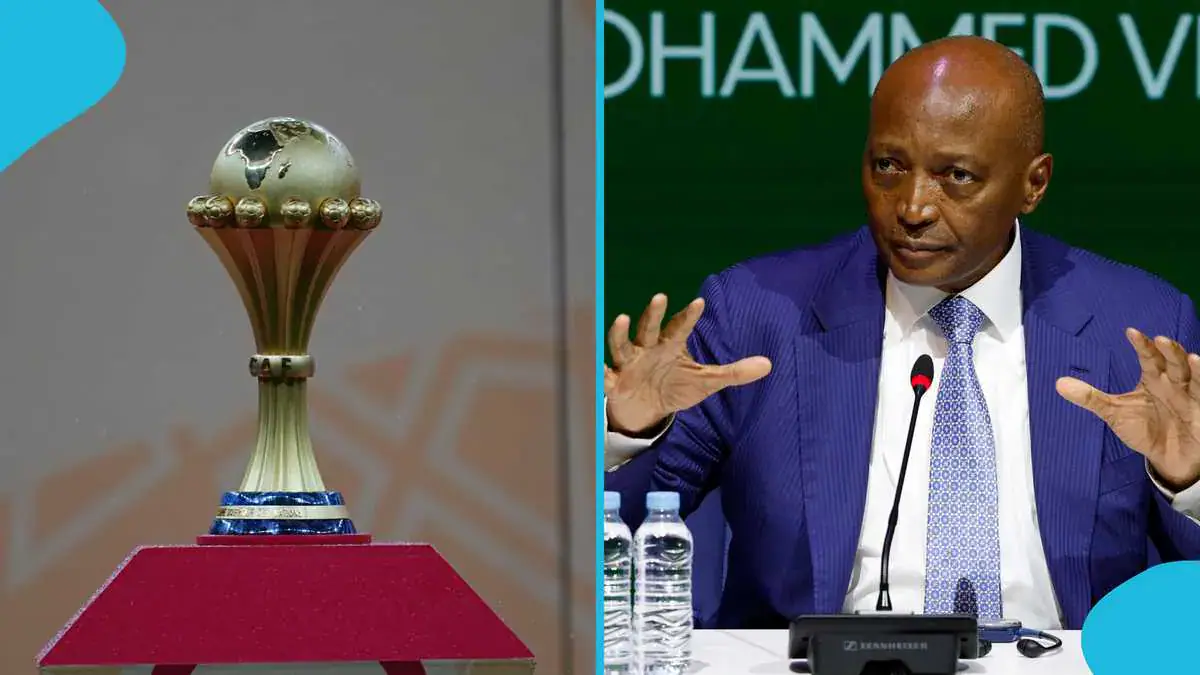
The Africa Cup of Nations (AFCON) is set to remain on a biennial schedule after the Confederation of African Football (CAF) reportedly reversed plans to extend the tournament to a four-year cycle. This decision was made during a CAF Executive Committee meeting held on Thursday, although the governing body had yet to release an official statement confirming the decision at the time of publishing. According to African football expert Micky Jnr, the change was made after careful consideration.
Prior to the reported reversal, CAF President Patrice Motsepe had consulted all 54 member associations on whether AFCON should remain biennial or shift to a four-year schedule. The widespread consultation reflected the significance of the decision for African football as a whole. AFCON, the continent's flagship football tournament, has been staged on a two-year basis since 1968, with one exception: the 2012 and 2013 editions were held in back-to-back years after CAF adjusted its calendar to move the competition into odd-numbered years.
A confirmed return to the biennial format would carry broader consequences for CAF's competition structure. The organisation had been developing an African Nations League intended to serve as a flagship competition in the years between four-yearly AFCON tournaments. With AFCON resuming its traditional schedule, the role and timing of that proposed competition would need reassessing. This change preserves African nations' regular access to continental competition and maintains the rhythm that the continent's football community has long been accustomed to.
The reported decision comes as Kenya, Tanzania, and Uganda remain on course to co-host the 2027 edition of the tournament. Further clarification on the implementation of the schedule change is expected once CAF issues its formal communication. This development will likely be welcomed by African football fans, who have grown accustomed to the biennial schedule of the tournament.
In related news, the Ghana Football Association (GFA) had recently accepted responsibility for the Black Stars' opening two defeats in the 2027 AFCON qualifiers. Ghana subsequently dismissed head coach Carlos Queiroz after losses to Ivory Coast and The Gambia left the team at the bottom of Group C. The GFA's decision to part ways with Queiroz was seen as a move to revamp the team's fortunes.
The 2027 AFCON qualifiers have seen several teams struggle, with Ghana being one of them. Other teams have also faced challenges in the qualifying process. The road to the 2027 AFCON tournament will likely be closely watched by fans and analysts alike. CAF's decision to maintain the biennial schedule will likely have a significant impact on the tournament's format and participating teams.
CAF President Patrice Motsepe's consultation with member associations highlights the governing body's commitment to making decisions that benefit African football as a whole. The organisation's decision to maintain the biennial schedule of AFCON will likely have far-reaching implications for the sport on the continent. Fans and teams alike will be eagerly anticipating the 2027 edition of the tournament.
Key points
- CAF has reportedly reversed its decision to hold AFCON every four years, instead opting to maintain the biennial schedule.
- The decision preserves African nations' regular access to continental competition and maintains the rhythm of the tournament.
- The implementation of the schedule change will be closely watched, particularly with Kenya, Tanzania, and Uganda set to co-host the 2027 edition.