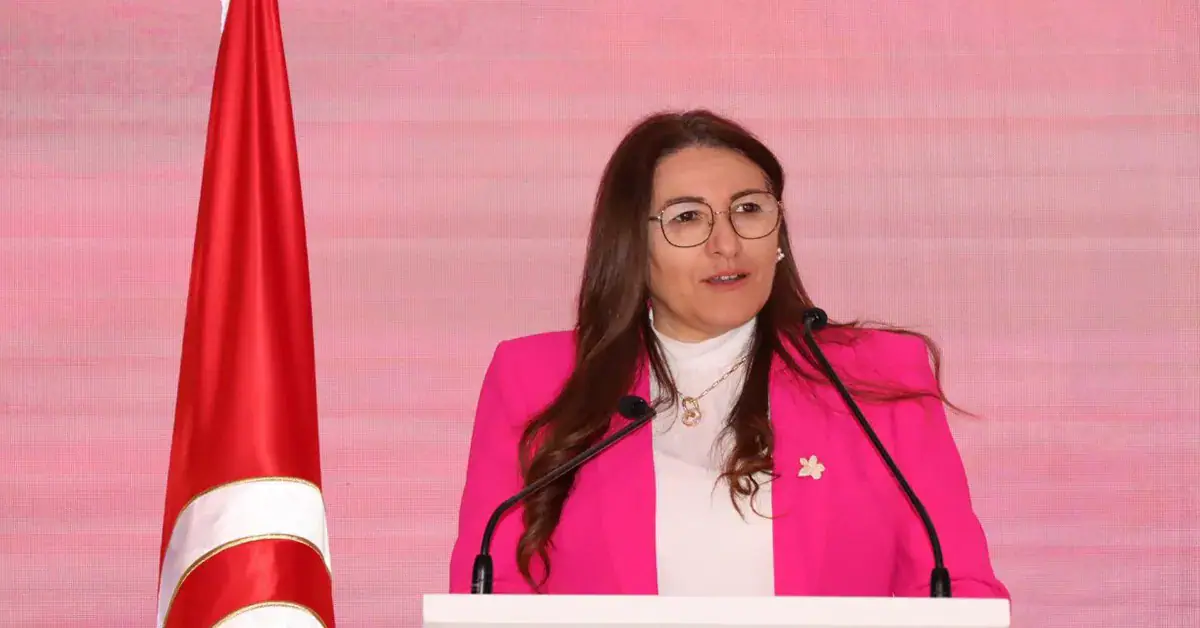
Tunisia's Finance Minister, Mechakha Salama Khaldi, unveiled the country's 2027 budget plan, which includes a significant allocation for job creation and regularization of employment status for thousands of individuals. According to the minister, a total of 32,557 new jobs and positions are to be created in 2027. This move aims to address unemployment and provide opportunities for Tunisians, particularly those with higher education qualifications.
The 2027 budget plan allocates significant funds for employment, with a focus on continuing the implementation of wage increases approved for 2026, 2027, and 2028. The minister attributed the rise in employment expenditures to the government's efforts to stimulate job creation, especially for holders of advanced degrees. The plan also includes the continuation of a program to recruit doctoral degree holders and regularize the status of the remaining workers in the healthcare sector.
The 2027 budget plan is designed to balance financial sustainability with economic and social growth. The government aims to enhance financial stability, promote comprehensive development, and improve public service delivery. To achieve these goals, the plan focuses on strengthening revenue collection, reforming the tax system, and rationalizing public spending. The government also intends to prioritize social support for low-income families, manage fuel and essential goods subsidies, and improve access to basic services.
According to the minister, the 2027 budget plan allocates 13.2% of the country's GDP to employment expenditures, which will reach approximately 27,349 million dinars. This substantial allocation reflects the government's commitment to addressing unemployment and supporting economic growth. The plan also aims to promote investment, enhance regional development, and ensure food and water security.
The budget plan's social priorities include continued support for low-income families, management of fuel and essential goods subsidies, and improvement of access to basic services. The government also aims to reform the healthcare and social security sectors. Furthermore, the plan focuses on promoting investment, enhancing the business climate, and supporting digital transformation.
On the development front, the 2027 budget plan prioritizes improving the investment climate, promoting regional development, and supporting food and water security. The plan also aims to accelerate the transition to renewable energy and support digital transformation. By implementing these measures, the government hopes to stimulate economic growth and improve living standards for Tunisians.
The 2027 budget plan's revenue projections indicate that 91.4% of state revenue will come from tax sources. Additionally, 10.3% of budget expenditures will be allocated to fuel subsidies. The plan also allocates 5,091 million dinars for social interventions. The government aims to maintain a balance between financial sustainability and social and economic development.
Key points
- The 2027 budget plan allocates 32,557 new jobs and positions.
- The plan focuses on strengthening revenue collection, reforming the tax system, and rationalizing public spending.
- The budget plan prioritizes social support for low-income families, management of fuel and essential goods subsidies, and improvement of access to basic services.