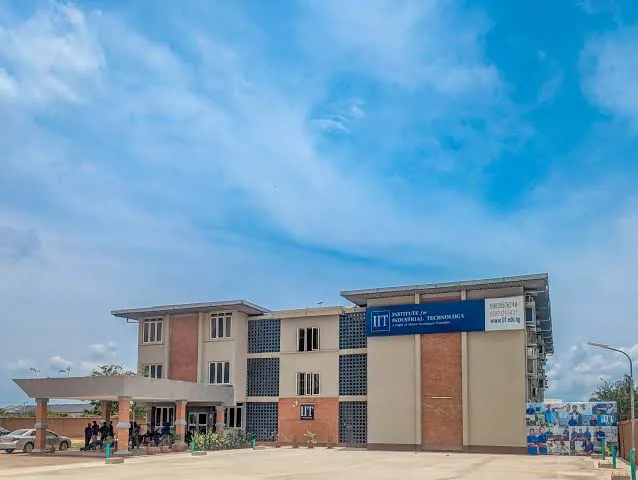
The Institute for Industrial Technology (IIT) has emphasized the importance of skills training in addressing youth unemployment and Nigeria's shortage of technically skilled manpower. According to IIT Director, Mr. David Okechukwu, technical education that combines practical skills with ethics, safety, and competency is crucial for young Nigerians to secure employment, provide services independently, and establish businesses. Okechukwu stressed that skills are vital to the transformation of Nigeria.
IIT has adopted a multi-skilled approach to training, enabling graduates to be versatile in a labor market where jobs may not always be available in their primary area of training. This approach allows students to gain a range of skills, making them more employable. Okechukwu explained that students undergo practical training and monitored industry placements, gaining workplace experience while the institute tracks their performance. Some students secure employment before completing their industry training.
The institute supports graduates by connecting them with employment opportunities and maintaining an alumni network. However, Okechukwu noted that technical skills alone cannot eliminate unemployment; young people who intend to establish businesses also require entrepreneurship and business management skills. To address this, IIT combines technical training with entrepreneurship education to prepare students for both employment and self-employment.
Okechukwu called for a more strategic approach to expanding technical education across Nigeria, suggesting that states consider their economic strengths and available industries before establishing training institutions. He emphasized the importance of placing trained individuals in jobs, saying, "If you train somebody, you have to be able to place that person." States with strong agricultural, manufacturing, or craft sectors could develop technical programs linked to those industries.
The cost of technical education is a significant challenge to expanding skills training, with training one student at IIT costing around N4.5 million. Some equipment used in its automation laboratory can cost up to $60,000 per unit. Okechukwu suggested that the government could support the sector through public awareness, instructor training, certification, and stronger collaboration between regulators, private institutions, and industry.
Societal preference for university education and white-collar jobs remains a major obstacle to the growth of technical education, according to Mr. Christopher Itua, Head of Industrial Linkage and Marketing at IIT. The institute currently trains around 120 students but has struggled to attract larger numbers due to the stigma associated with technical education. IIT has also supported the development of technical education outside Nigeria, including contributing to the establishment of a technical school in Nairobi, Kenya.
To make technical education more accessible, IIT offers scholarships to students from disadvantaged backgrounds. For example, Flour Mills sponsored 20 students through full scholarships during the year, while individual donors also support students who cannot afford the fees. The institute's training model places around 70% emphasis on practical work and 30% on theory, with students receiving workplace exposure through industry placements. Key Points: - Institute for Industrial Technology (IIT) stresses need for technical education combining practical skills with ethics, safety, and competency. - IIT adopts multi-skilled approach to training to make graduates more versatile. - Cost of technical education and societal preference for university education remain major challenges.