The Social Relief of Distress (SRD) grant, introduced by President Cyril Ramaphosa on 21 April 2020, was meant to be a temporary response to the COVID-19 crisis. However, more than six years later, millions of people still depend on it. The grant was part of a R500-billion COVID-19 response package aimed at mitigating the economic impact of the pandemic. Lockdown measures had wiped out many informal livelihoods, and the grant was designed to provide financial assistance to working-age adults without employment.
Before 2020, social grants in South Africa were primarily aimed at children, older people, and individuals with disabilities. The SRD grant was a significant expansion of the social assistance program, as it targeted unemployed adults. The government's initial plan was to pay the grant to eight million people for six months. However, by 25 May 2020, the South African Social Security Agency (SASSA) had received about 13-million enquiries and applications, of which 6.3-million were valid and complete.
The rollout of the SRD grant was marred by challenges, including a slow payment process. By 31 May 2020, only 116,867 people had been paid. The delay was attributed to the verification process, which involved checking applications against various databases, including the Unemployment Insurance Fund, SARS, National Student Financial Aid Scheme, and social grant databases. The checks were necessary to ensure that applicants did not have an income above the R595 threshold.
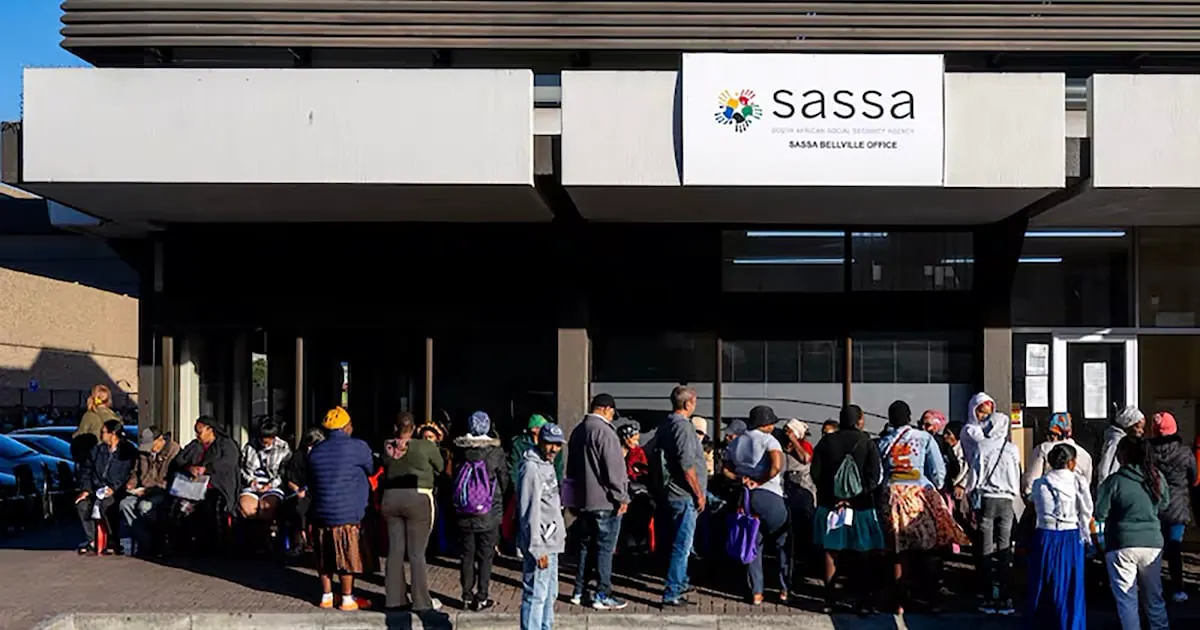
The verification process also led to problems, with 3.3-million applications rejected, and 2.1-million of these rejections due to applicants appearing on the Unemployment Insurance Fund database. However, SASSA later acknowledged that up to 85% of these rejections may have been incorrect. Beneficiaries faced further challenges in accessing their grants, with many collecting payments at post offices after queuing for hours.
The SRD grant was extended several times during the pandemic but was initially set to end on 30 April 2021. Civil society groups campaigned for its reinstatement as a basic income grant. On 25 July 2021, Ramaphosa announced that the grant would be reinstated until March 2022, and it was also made available to unemployed caregivers who received the child support grant. By April 2022, roughly eight million applications had been approved.
The grant faced another setback when the state of disaster ended, and its administration had to be moved under the Social Assistance Act. This led to a temporary halt in new applications while a new system was put in place. Beneficiaries had to reapply, and for the first time, they faced a monthly bank-account means test. The Department of Social Development had a R44-billion budget to reach 10.5-million people and introduced the test to stay within that amount.
Despite the challenges, the SRD grant has become a vital component of South Africa's social assistance landscape. It has been increased from R350 to R370 in April 2024. Researchers have found that the grant has not discouraged people from looking for work, but rather eased some of the financial pressure involved in job searching. The grant's impact on employment was strongest in the first three months after people began receiving it, but its effects diminished over time.
Key points
- The SRD grant has been a lifeline for millions of South Africans, despite initial plans for it to be temporary.
- The grant's rollout was marred by challenges, including a slow payment process and verification issues.
- Researchers have found that the grant has not discouraged people from looking for work, but rather eased some of the financial pressure involved in job searching.