The Independent Electoral and Boundaries Commission (IEBC) of Kenya has reopened a tender worth Sh6.5 billion for election technology, introducing stricter conditions for suppliers. The commission is seeking a new Integrated Elections Management System for the next General Election, citing that the current technology has become obsolete. The tender, initially published on August 11, has been revised following a challenge by Galadirel Investments Limited. The new deadline for submissions is October 2.
The revised tender includes tougher standards for biometric devices, scanners, and system testing. Suppliers of fingerprint sensors must meet both FBI PIV IQS and India’s STQC certification standards, a shift from the initial tender which allowed certification under either standard. This change aims to ensure that the equipment satisfies both certification systems. The commission has also expanded specifications for scanners, requiring them to scan A4 documents, identity cards, and passports, and to automatically align documents and detect multiple feeds.
The IEBC has increased its role in physically checking and testing the proposed technology. The revised tender provides for conformity tests, eligibility checks, and due diligence before awarding the contract. The company ranked as the best-evaluated bidder must demonstrate that its technology meets the technical requirements through testing. This change ensures that passing the initial document-based assessment does not guarantee the contract. The preferred bidder must also provide post-warranty support for 24 months.
The Online Voter Pre-Registration System must support QR-code scanning, automatically fill in biographic details, and provide a secure way of exchanging data. The revisions address concerns raised by Galadirel Investments Limited, which questioned technical specifications, bid evaluation, hardware requirements, and ownership of the technology. The Public Procurement Administrative Review Board found "material deficiencies" in the original tender and directed IEBC to revise and clarify the disputed sections.
The board's determination concluded that some requirements were not sufficiently clear and objective, potentially affecting fairness, transparency, equality, and competition. Rather than scrapping the procurement, the board directed IEBC to address the shortcomings and publish a new tender. The commission has incorporated the changes into the fresh procurement document as it seeks to acquire the necessary election technology.
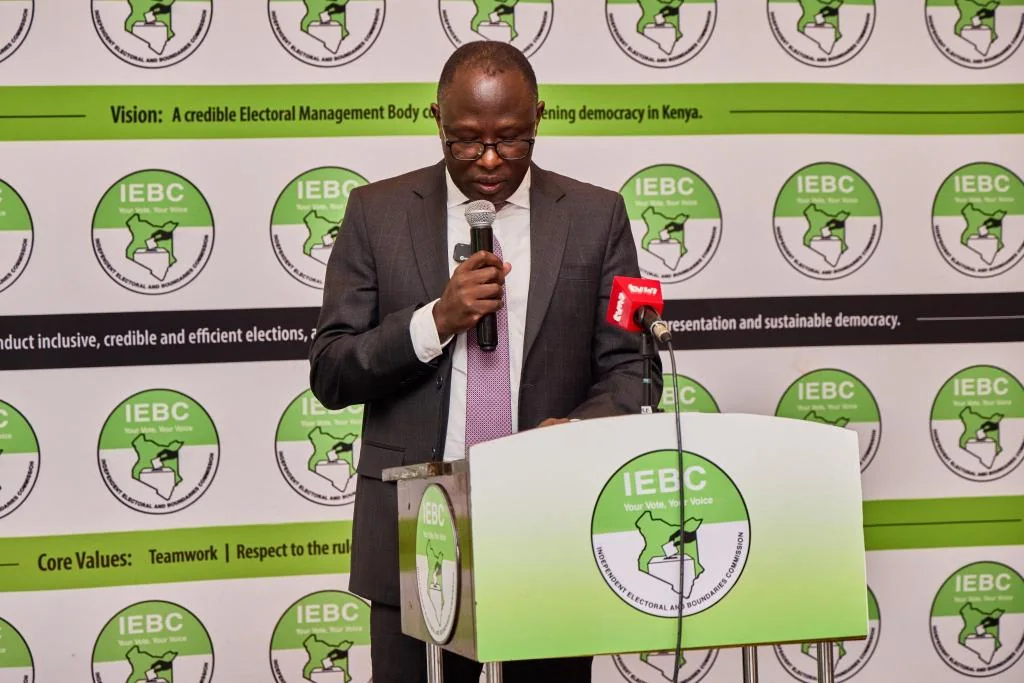
The IEBC Chairperson, Erastus Ethekon, had previously presented an overview of the IEBC's dispute resolution process on July 9, 2026. The commission is committed to ensuring a transparent and fair procurement process. The new tender aims to address concerns and ensure that the election technology meets the required standards.
The revised tender is a significant step towards ensuring the integrity of Kenya's electoral process. The IEBC's efforts to address concerns and introduce stricter conditions for suppliers demonstrate its commitment to transparency and fairness. The commission's actions will help build trust in the electoral process and ensure that the next General Election is conducted smoothly.
Key points
- The IEBC has introduced stricter conditions for suppliers, including tougher standards for biometric devices and scanners.
- The revised tender aims to address concerns over fairness, transparency, equality, and competition in the procurement process.
- The commission will conduct conformity tests, eligibility checks, and due diligence before awarding the contract to the preferred bidder.